“The File on H” by Ismail Kadare

When you visit Albania – which I highly recommend – you should not only get a guidebook, but read a few books by Ismail Kadare during your trip. Of the ones I have read so far, I enjoyed The File on H the most.

file-on-h

As in all of his novels, Ismail Kadare takes historical facts and fictionalizes them, in the course teaching you something about Albanian history and culture, but without the book losing its quality as a novel. All of his books made me want to research more about the underlying factual elements. The question in The File on H is the Homeric Question, that is the dispute about the identity of Homer and about the origin of his tales.

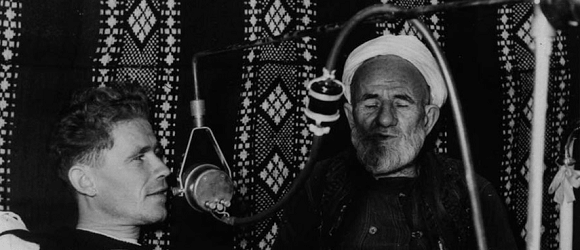
The main protagonists are Milman Parry and Albert Lord, two American academics who really went to the Balkans between 1933 and 1935 to find local bards, preferably illiterate ones to focus on the oral tradition, and to record their renditions on the just-invented tape recorder. They intended to research how the ballads changed over time to understand the process of Homer’s work. Although they traveled in Bosnia, they mostly interviewed Albanian bards. After Parry’s death, Lord returned to Albania and traveled through the northern mountains – the atmosphere of which is conveyed beautifully in the book – where foreigners traveling with a huge tape recorder, which had never been seen in that part of the world before, naturally aroused suspicion.

ora580x250
This was just the microphone.

And thus the story turns into an espionage novel, a novel about politics, about preservation of culture and about the fear of the unknown. The reports of one of the spies for the governor are a literary delight, almost like a novella inside a novel.

The only point of criticism is that once the Serbian monk talks to the Albanian hermit, the end is foreseeable. But then, that’s just realistic, because the end of any Serbian-Albanian discussion is foreseeable to this day.

Posted in Albania, Books, History, Serbia | Tagged , | 6 Comments

The comforting dog

Usually, I don’t like dogs. If the dogs aren’t extremely stupid, they notice that and leave me alone.

But when I was stranded in Copacabana during my move from Bolivia to Peru, and when I thought that I had lost all of my luggage, including my notebooks, my computer and thus the stories and photos of the last few years, and was despairingly scribbling the account of this major mishap into the last remaining notebook, this dog came by and laid down next to my legs.

hund-copacabana

“I lost everything I own, but gained a new friend,” I thought. Luckily, the disaster cleared up a few hours later. The dog moved on, unfaithful as they are.

Posted in Bolivia, Photography, Travel | Tagged , , , , | 5 Comments

Mixed Signals

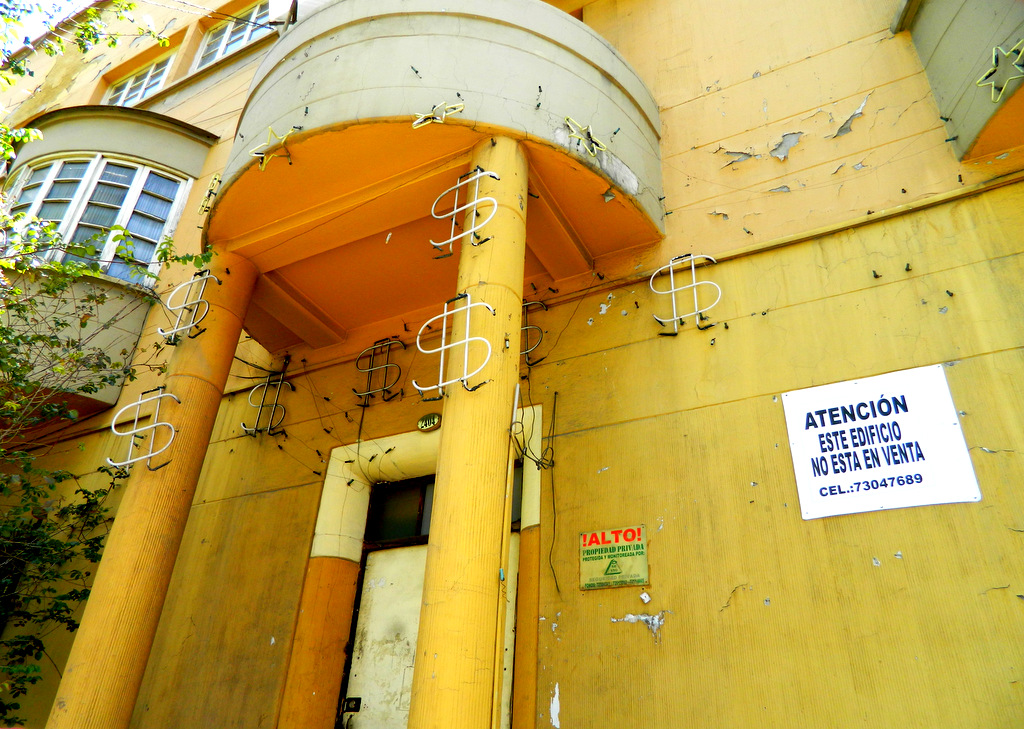
When you adorn your house with $-signs, but put up a note that it’s not for sale.

dollar house.JPG

Photographed in Avenida 6 de Agosto in La Paz, Bolivia.

Posted in Bolivia, Economics, Photography, Travel | Tagged | 5 Comments

Delinquent Debtors

This wouldn’t fly in Germany because someone would scream “violation of privacy” and lawsuits would ensue, but in Bolivia

mietschulden

and in Romania,

nebenkosten

there are lists in the entrance hall of apartment complexes showing the tenants’ names and what they respectively owe for utilities.

In Romania, all of my neighbors could thus see how economically I used electricity, gas and water. But it was very practical that I could pay to the friendly lady in apartment no. 7, who had her office at the kitchen table, and who gave me a huge plate of cookies when it was time to say good-bye after one year in Târgu Mureș.

Posted in Bolivia, Economics, Law, Romania, Travel | Tagged , , , | 6 Comments

Random Thoughts (7)

  1. Don’t blame me for looking at your ( . )( . ) when you wear sunglasses and I can’t look at your eyes.
  2. In Venezuela, the richest country in South America between the 1950s and the 1980s, and still the country with the largest oil reserves in the world, people are now dying from starvation.
  3. Now, Venezuela is better known for its high murder rate. I am curious to visit.
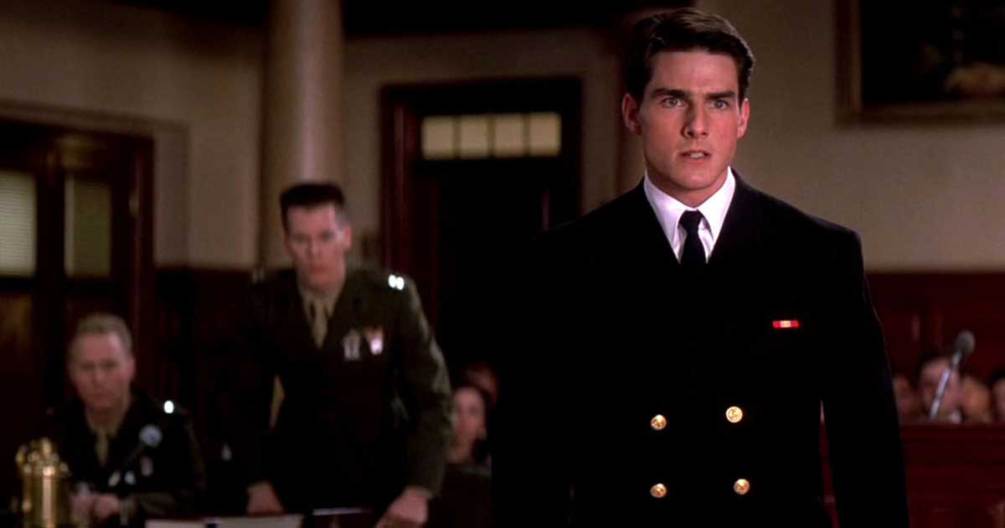
  4. In Bolivia, I sometimes buy movies to learn Spanish. Obviously, this works best with movies that I have previously watched in English or German and that have a lot of talking. In other words: lawyer movies like A Few Good Men. After asking the third or fourth DVD vendor and noticing their blank stare, I realized that the film is older than the boys selling movies, so of course they didn’t know it. I asked “where in this street is the oldest movie seller?” and one of the boys led me to an old gentleman. When I inquired for Cuestión de honor, he immediately knew what I meant and picked the right DVD from a wall of at least 1000 films.cuestion-de-honor
  5. I guess it must be tough to be named after a dictator and a virus.
  6. Donald Trump: “Putin was right. You don’t need a parliament to govern.”
  7. Facebook’s algorithms can’t be that good if they put this on my profile after I have been posting atheist comments, images and articles for years. They of all people should also know that I am in some atheist Facebook groups. To anyone reading my posts, it should furthermore be obvious that I don’t have a family, that I don’t have friends and that I hate celebrations.fb-three-kings
  8. People call me a smart-ass because my ass is indeed smarter than some people’s brain.
  9. From the perspective of South America, the Spanish and the Christians have been the most dangerous people in history.
  10. On top of all the other problems associated with fake news, those writers even earn more than journalists, let alone honest bloggers like me.
  11. I am happy to read that there is no age limit for the Erasmus program. I will do that too when I will return to university. Which will probably be soon.
  12. In an interview about her book True Believer: Stalin’s Last American Spy, the author Kati Marton pointed to the parallels between those who were seduced to spy for the Soviet Union and those who now join ISIS. The prevailing motivation in both groups is not identification with the enemy, but a feeling of not belonging to one’s society of one’s talents being overlooked, and the wish to be someone special. The boys who are now becoming jihadists might have joined Fidel Castro in the 1950s.
  13. The problem of suicide bombers will sooner or later be solved by evolution.
  14. If you ever visit Berlin, I recommend a visit of the former Stasi prison. Tours are given by former inmates, which is a memorable and moving experience.
  15. It’s so tiring to watch the new White House Press Secretary, Sean Spicer, that you may want to relax by watching the original:

Posted in Books, Cinema, Economics, Germany, Politics, Religion, Technology, Terrorism, Travel, USA, Venezuela | Tagged , , , , , , , , , , , , , , , | 7 Comments

Copyright law in Bolivia

Bolivia must have negotiated the best intellectual property treaties of any country in the world (only Iran comes close, but that country is not a party to the Berne Convention). Respect to the hot-shot lawyers who did that!

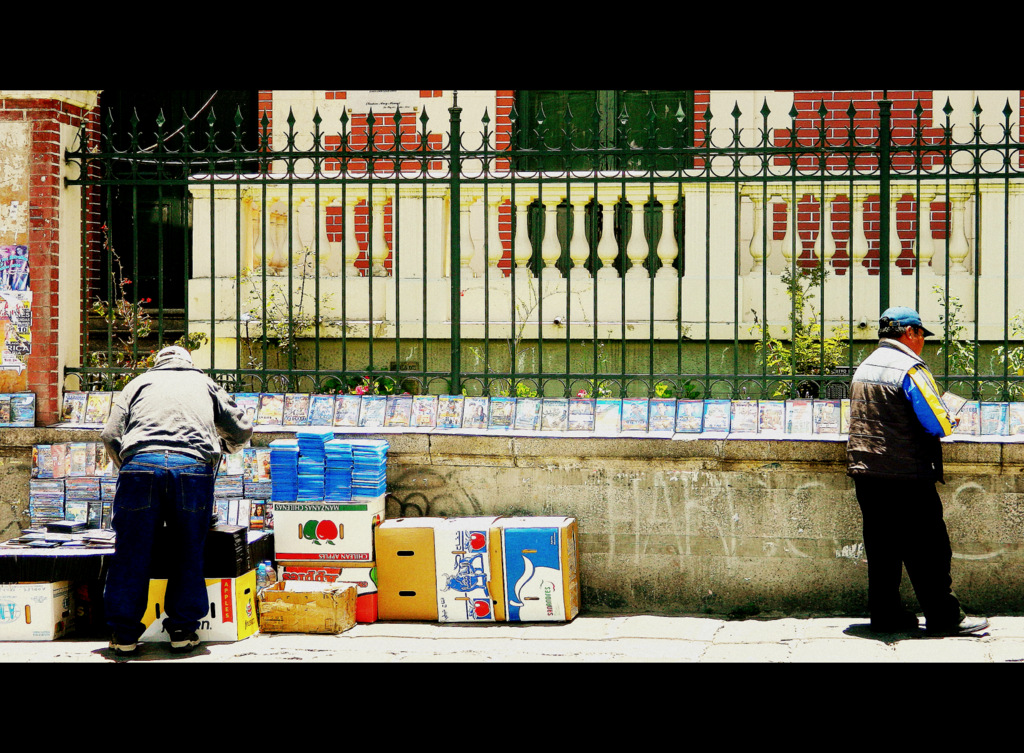
In Bolivia, you can get any movie on DVD on the same day it is released in cinemas worldwide. Sometimes even before the release date!

The distribution occurs in a decentralized manner, through self-employed vendors who carry boxes of DVDs to street corners or who sell the films out of the trunk of their car. Amazing how Bolivia could negotiate the right for its small businesses to take over the distribution, when the big Hollywood studies usually want to control everything.

DVD.JPG

Each DVD costs around one dollar per film. Compare that with movie tickets or the prices on Amazon, and it’s another miraculous deal negotiated by Bolivia.

On top of that, the service is impeccable. There is something called DVD-on-demand: if your local vendor doesn’t have the film you want, you write the title on a piece of paper, hand it to him and tomorrow – same place, same time – he has the desired movie for you. This shows that even the mom-and-pop outlets have excellent connections to all distributors worldwide.

(Hier könnt Ihr diesen Artikel auf Deutsch lesen.)

Posted in Bolivia, Cinema, Economics, Law, Photography, Travel | Tagged , , , , | 9 Comments

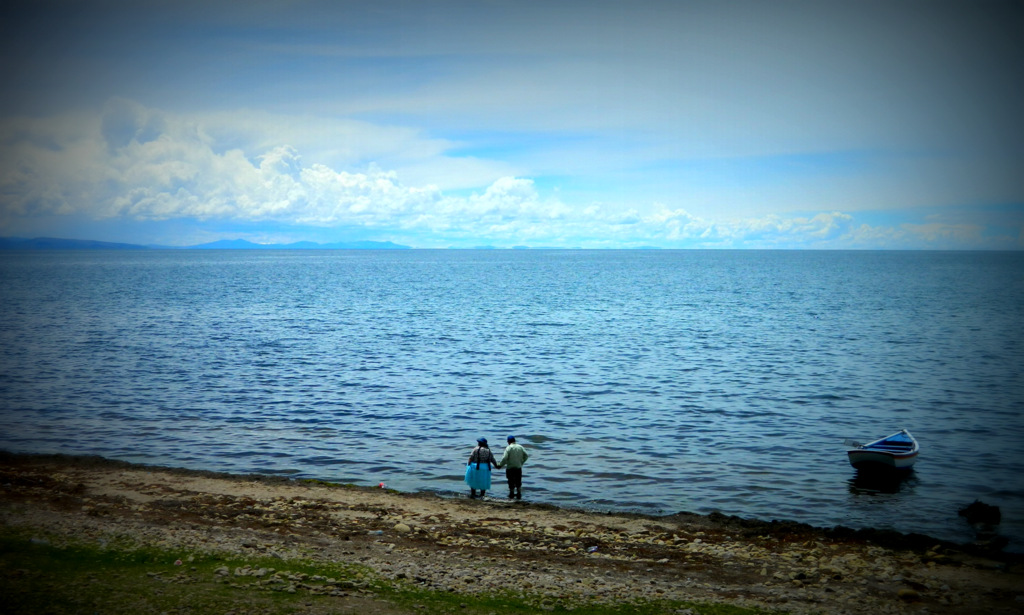
Old couples can be romantic too.

romantic-couple

Photographed in Copacabana on the shore of Lake Titicaca in Bolivia.

Posted in Love, Photography, Travel | Tagged , | 3 Comments

First they came …

First they came for the scientists, and I did not speak out—
Because I was not a scientist.

Then they came for the journalists, and I did not speak out—
Because I was not a journalist.

Then they came for the gays, and I did not speak out—
Because I was not a gay.

Then they came for the Mexicans, and I did not speak out—
Because I was not a Mexican.

Then they came for the Muslims, and I did not speak out—
Because I was not a Muslim.

Then they came for the women, and I did not speak out—
Because I was not a woman.

Then they came for me—and there was no one left to speak for me.

Stupid me! I should have done business with the Trump Organization—
that alone would have protected me.

trump-corruption

“So, for the next four years – which will be the greatest four years ever – you have to address the payments to my daughter. Just officially, you know?” *wink, wink*


Posted in Human Rights, Politics, USA | Tagged , , , | 4 Comments

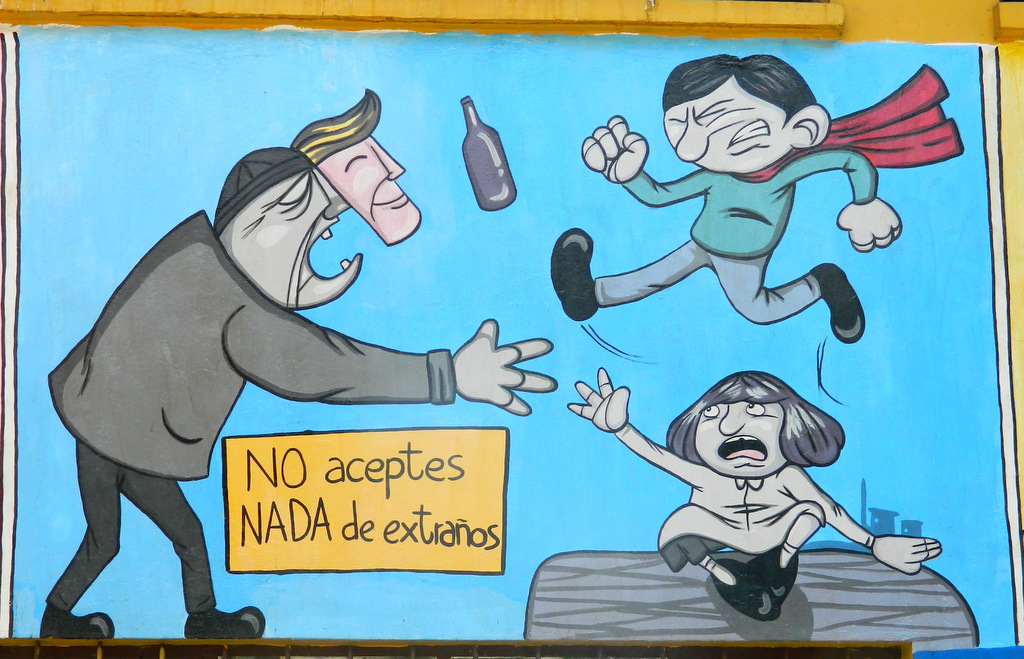
Don’t accept anything from strangers!

Is it coincidence that the evil man in this mural in La Paz, Bolivia is hiding behind a Donald Trump mask?

dont-accept-anythong-from-strangers

In any case, I find these warnings misguided because most strangers are good people.

Posted in Bolivia, Photography, Travel | Tagged , , | 3 Comments

Bury my heart – wherever

People ask me why I don’t go to a hospital when I am sick, when I get bitten by a bear/anaconda/piranha, when I have strange viruses, when I am bleeding from all orifices or when I have kidney stones (OK, that one time I actually did go to a hospital because the pain was unbearable). The reasons are that

  • I am scared of doctors,
  • I don’t want to take up scarce medical resources and the doctor’s time for my minor complaints, and
  • I am too poor to afford health insurance.

“But what do you do when X/Y/Z happens?” people respond in shock. My answer, as with so many other things in life, is “I will cross that bridge when I get there”. The worst-case scenario is that I will die, but it seems to me that a lot of people with health insurance are dying too, so I am not sure there is a connection. Recently, another European traveler whom I bumped into in South America seriously wondered: “But then who will pay for your body to be flown home?”

A strange concept, not only because I personally don’t have a home, but because dead people in general don’t have homes. Dead people have nothing. It is already 2018, but let me explain it once again: dead means dead. There really isn’t anything beyond it. And even most people who subscribe to the erroneous opposing belief don’t believe that their idea of “something” depends on the state or location of their body, otherwise they wouldn’t ask for cremation in a last act of pyromania.

Apparently, there is a funny thing: an insurance policy that will pay for your body to be repatriated in case of death. Selling insurance policies which you promise to honor for the time after the death of your contracting partner generally sounds like a profitable business model. Those of you who enter into such policies may please get in contact with me in order to grant me a long-term loan.

The tree-hugger in me cannot embrace the idea either. If this deplorable custom will gain popularity, the sky will soon be filled with planes ferrying corpses, body parts, coffins, urns and souls from one continent to the other. Some of these planes will collide and their passengers collapse, and yet more planes and courageous pilots will be necessary to fly around yet more corpses. And so on. German au-pair girls will be flown back from Australia, Indian guest workers from South Africa, the ambassador of an obscure small country will be returned to the Caribbean. A global carousel of corpses.

It really shouldn’t matter where on this wide world you go to seed and compost. I am going one step further: I hereby expressly prohibit that my body will be flown anywhere after my death! The idea of the last resting place being determined by nothing but the coincidence of a train accident in Bangladesh, freezing to death while mountaineering in Bolivia or falling from a bicycle in the Kyrgyz steppe strikes me as a rather romantic idea.

Turkish cemetery Bitola panorama clouds

A beautiful cemetery in Bitola, Macedonia. It hasn’t been in use since the Ottoman Empire.

Even more romantic would be to simply get lost and never be heard of again, but my home country of Germany of course has a law on getting lost (seriously). Reading that makes you lose any kind of Livingstone/Mallory/Earhart romanticism.

I am not even thinking of myself when setting up these instructions, after all I don’t believe in my continued existence after the heart will stop pumping blood. My motivation lies rather in the hope that relatives, friends and readers of this blog, if they ever want to lay down a flower or a stone, will have to travel to a country that they otherwise would never have visited. Those who never leave their small town will suddenly turn into explorers and adventurers. Pilgrims from all directions will flock to a quiet mountain village in Bhutan, to a farm in Zambia or to the marker stone for kilometer 2,300 on Ruta Nacional 40 in Argentina.

On the long journey to there, they will read my books, and when they get to know the friendly locals they will realize how they have been wasting their lives by going to the office day in, day out, instead of exploring the world. They will wire home the termination notice for their employment contract, for their apartment lease, maybe for their marriage and will embark on a new life, at exactly the same spot where mine ended.

cemetery-cactus-western-001

I almost remained in that cemetery in Bolivia. How could I have known that the villagers had serious objections against a stranger taking photos of graves?

Realistically though, nobody will come by. Because people only visit cemeteries when these are on the way to the shopping mall, when there is free parking and when the rare visit doesn’t upset one’s self-selected memory of the deceased. When the latter would make the visitors reflect, and possibly make them notice that the dead never was the person the survivors wanted him to be, then it’s really too much of a hassle.
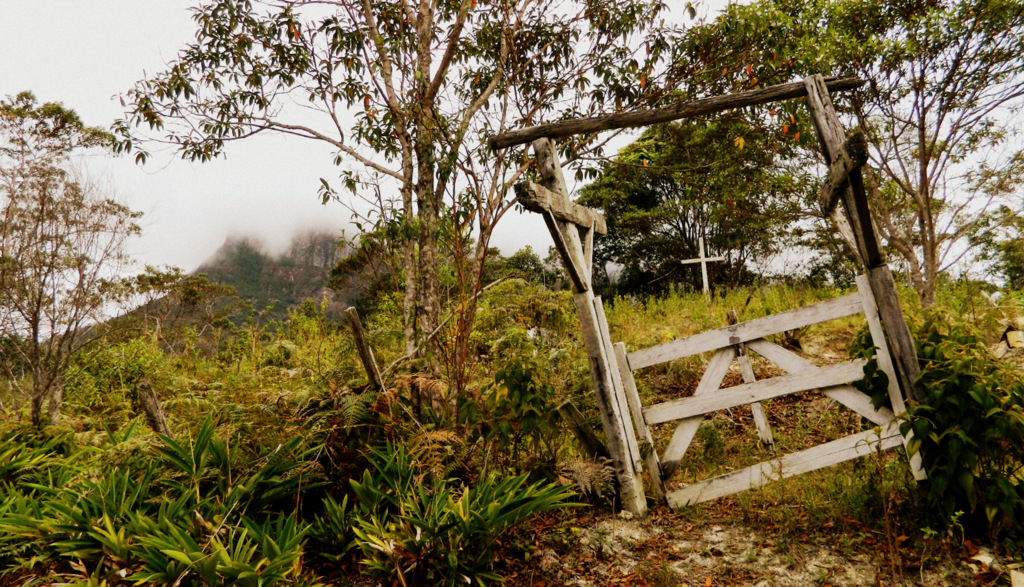
cemetery-gate

To reach this cemetery in Chapada Diamantina, Brazil, you need to hike across a mountain range. Ain’t nobody never get there with no car.

Links:

Posted in Law, Life, Philosophy, Photography, Travel | Tagged , , | 11 Comments