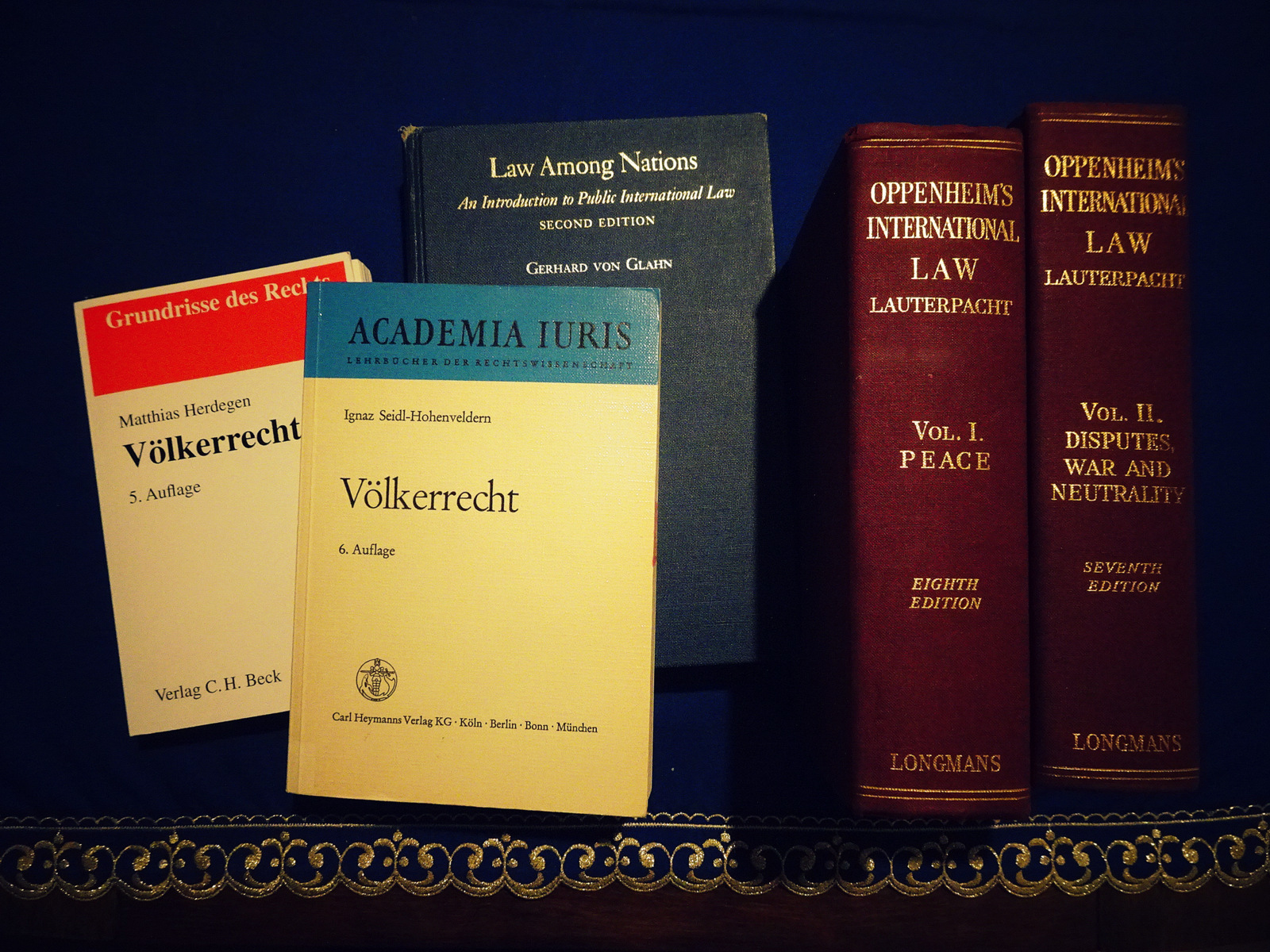
Admittedly, these are somewhat older editions. But law school was one Cold War ago.
I also ask you for a minute of silence for the US State Department lawyers, who, with much creativity, might have come up with some justification for the US attack on Venezuela, if only the President hadn’t held a press conference like a Mafia boss after a heist.
But this e-mail was about something quite different:
Hi, wish you a great new year. I also wanted to send you a message. My name is […] and I am a person targeted by the intelligence service for unauthorized human experimentation and death. I know it will sound weird
Indeed it does.
but the Pentagon and intelligence team (Army, Navy and even police) have behaved weird throughout decades with biopising people forcibly and still do nowadays. without purpose, by force and killed several by performing brain biopisies and other organs with and in some cases without anesthesia and out of consent disrespecting elemental human rights and people say no but when they are selected they are knocked out with injection screaming most and are brain biopised anyway, without any clinical indication for it some died because they sampled too much of the brain or performed it poorly and cruel. Any brain biopsy means impairment for life hence it only possible in cases where that is strong clinical evidence of necessity. Whoever knows wishes out of the countries. They claim that its for theoretically for research purposes that are hardy fulfilled because most are just stored poorly and lost,
What a shame. All those beautiful brain biopsies, and then they get lost in some archive.
turning it in a sincere nuisance. and that is their so called corporation career dream of nothingness. All because their great model BS contract with the Pentagon with full allowance of the United Nation Organization which also performs the same and protects and gives their blessing. Thus you imagine the truth it happens all over Europe United States, Great Britain Canada and Australia. They are utterly well defined as SICK people. If you can please spread the word and perhaps prepare to sue. They seal all files, but they are coming clean eventually soon.
Kind Regards
Ehm, I am not exactly sure whom you want to sue for what and why, but I’ll just say “no, thanks”. Because one of my New Year’s resolutions is to stay away from complicated people and hopeless causes. And from biopsies, I now want to add.
In many countries and families, a battle is raging over whether December 24th or 25th is the real Christmas. The Orthodox churches in Eastern Europe are known to take their time and don’t celebrate until January 7th, leaving more time for cutting Christmas trees and baking cookies.
One country, however, is completely out of line: Spain, ostensibly a Catholic country, celebrates its Christmas on December 22nd.
If you are wondering “Why the hurry? What’s the rush?”, let me tell you that the Christmas rush starts as early as July. That’s when the tickets for the big celebration go on sale.
In every church I visited in Andalusia, someone tried to sell me tickets. First at the entrance, then came the sacristan, finally the priest. All of them: “Do you already have a ticket for Christmas?”
At first, I answered, truthfully, that I would no longer be in Spain by Christmas. That didn’t lead to any slowing of the sales effort: “It doesn’t matter, it will be televised live.”
I didn’t understand why I should buy tickets for something I could watch on TV for free. At some point, people became too insistent, and I changed my excuse: “Oh, thank you very much, but I already have a ticket.”
That should get me off the hook, I thought.
But far from it: “Buy another one!”, I was encouraged.
An invitation apparently followed by the whole country, as the long lines in front of the sales points demonstrate.
At some point, I understood that in Spain, Christmas is not celebrated with trees, presents and food, but with gambling. Christmas in Spain is synonymous with the lottery.
And everyone has to participate! “Have you already got your lottery tickets?”, I was asked again and again, even by friends who didn’t want to sell me anything.
To avoid getting into lengthy discussions, I simply said: “Yes.”
But that’s when the questions really started: “What number do you have?”
“Why is that important?” I wondered.
I mean, I understand the principle of a lottery and that the number is important for winning. But I don’t understand why my lottery number would be of interest to others.
“Well, maybe we have the same number!” the friends exclaimed enthusiastically, as if that meant some kind of blood brotherhood.
A lottery selling tickets with the same number multiple times? That seemed like a scam. Maybe that’s how the Spanish Civil War had been triggered, when one day, two people with the same numbers came to collect the grand prize.
But then, I was enlightened:
The Spanish Christmas Lottery, proudly existing since 1812 and not interrupted by world or civil wars, nor by flu waves unfairly named after the country, is the largest, most important, most valuable and the most superlativest lottery in the world. Every Christmas, several billion (!) euros are played out.
But, tradition is tradition, the tickets may only have five digits. Thus, there are only 100,000 possible ticket numbers (from 00000 to 99999). A bit few for a country with 47 million people, because after all, every citizen wants at least one lottery ticket.
Other countries would switch to six- or seven-digit ticket numbers, but Spain is more creative: They print the same ticket numbers multiple times. And if the ticket wins, you split the winnings. It’s that simple. Sharing is fun!
Stop! That’s how it works in stingy countries, like in Germany. In Spain, on the other hand, where social justice is a constitutional priority, multiple winning tickets mean that every ticket holder gets the full prize. Here, there is no division, there is multiplication, as if we were living in the country of the magic money tree.
And since the lottery company belongs to the government, the state simply finances any deficit. Now you know why Spain has just secured 140 billion euros from the EU Corona reconstruction fund. Although I think there are always enough tickets sold to fill the pot sufficiently. Last year, each number was issued 170 times, for a total of 17 million tickets.
Theoretically.
Because now it gets really complicated. I had to have this explained to me three times, in order to be able to describe it to you to some extent. But all information is subject to error!
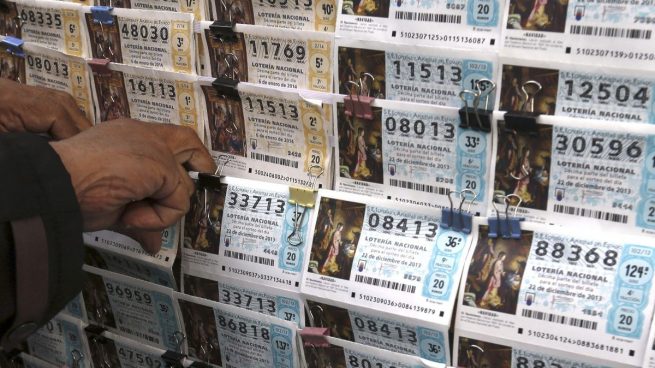
Because 17 million tickets are still not enough for 47 million people, the tickets are divided. And not internally or by secret agreements, but they are chopped up in the truest meaning of the word. The lottery company has no objections to this, but offers each ticket number in each series as a sheet with ten coupons, which can be torn off and bought and sold individually.
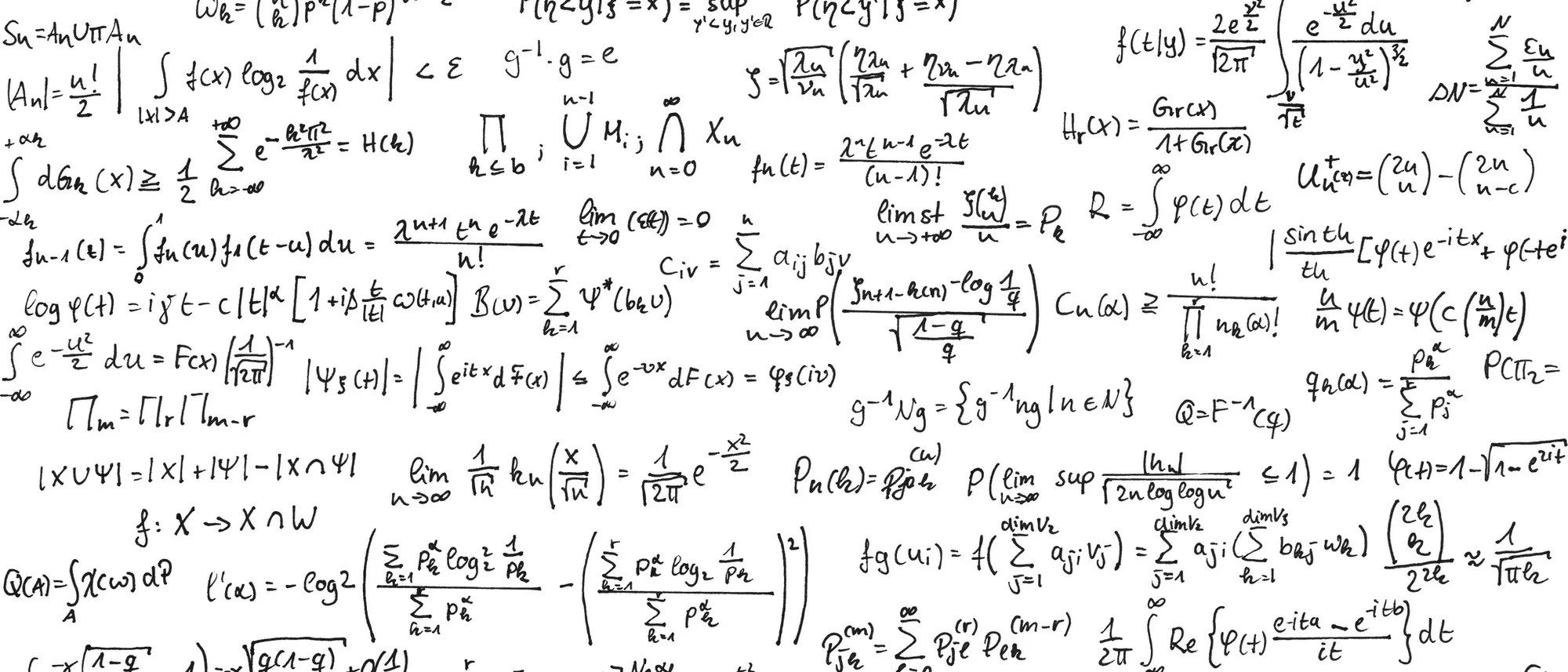
However, the profits attributable to these coupons, unlike the profits attributable to the same numbers in different series, are then divided according to this formula:
In Spain, many pocket calculators are sold before Christmas.
In return for having to share the profit, each coupon costs only a tenth of the price of a whole ticket. This is very considerate, because a whole lottery ticket costs a steep 200 euros, which no one can afford. So, someone buys the whole sheet and resells nine tenth-coupon tickets. That’s why you’re approached at the train station, in the park, while washing your hands, at the airport, at police checkpoints, and especially in every bar, asking if you wouldn’t like to buy a coupon.
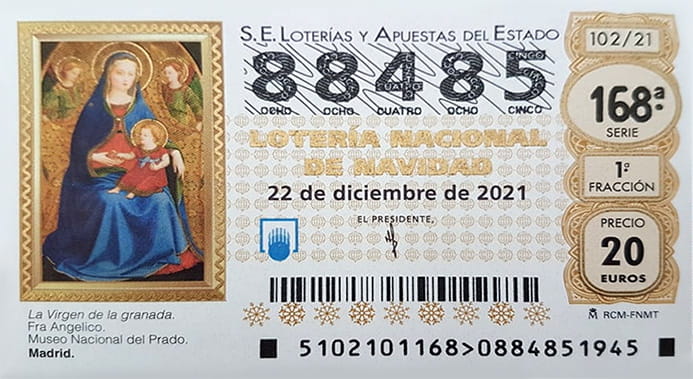
This is what a coupon looks like: In the center, the five-digit ticket number (88485), in the upper right corner, the series (168), and below that, the number of the coupon (1 of 10). And the price of 20 euros, which is why I never treated myself to this exciting pastime.
Because, as I’ve already lamented, 20 euros is still a lot of money, the coupons are split once again. But now we are sliding from the official to the unofficial betting business, because you are not allowed to cut up the coupons. Instead, you meet people in the park who sell photocopies of their coupons and promise to give you a share of the profits. So you buy a copy, with the seller of course telling you the participation quotient, and you leave your phone number with the traveling salesman, who will give you a call on Christmas, informing you of your winnings.
People in Spain are very honest.
These participation deals (which you can think of as mutual funds) are especially common among groups who want to rejoice together on Christmas Eve: Families, work colleagues, the regulars at a pub, sports teams, the crew of the International Space Station, inmates of prisons or nursing homes.
Incidentally, there is nothing complicated that cannot be made even more complicated:
To prevent counterfeiting, the lottery company has to keep track of which tickets with which numbers from which series it has delivered to which of the 3,420,591 points of sale.
Now, there are people who want a specific ticket number. Maybe their date of birth. Or the number that won last year. Or a number that has never won. Or the numbers that the fortune teller in the street behind the bull-fighting arena told them – in exchange for a share of the profits, of course.
Because the lottery company is state-owned and because the administration in Spain is very service-oriented, you can call them and ask to which kiosk in the enormously vast country (which, as we know, also includes areas in Africa and in the Atlantic) the desired numbers have been delivered. Many Spaniards then take advantage of summer vacation, fall vacation, strike days, sick days or early retirement to drive around the country and buy up the desired lottery tickets.
Another form of lottery tourism occurs when a retail outlet sold the big, fat winning ticket (“El Gordo”) last year. I don’t know why, but hundreds of thousands of people then drive to that very outlet in the current year to deposit at least 20 euros.
And if the winning ticket was sold at a gas station, then that gas station won’t sell any more gas the following year, because no one wants to stand in line with a bunch of gamblers for 3 hours just to pay for diesel.
In this case, it was particularly extreme because the gas station is located on Tenerife. Many Spaniards flew to the Canary island from the mainland for that one purpose. God forbid if the lucky ticket ever comes from Melilla.
And on December 22nd, the lucky numbers will be drawn.
It will be broadcast live on television, with ratings beyond those of the World Cup, with cries of joy and heart attacks throughout the country.
A special feature is that the winning ticket numbers, as well as the respective prizes, are sung by children from San Ildefonso High School in Madrid. Orphans have been used for more than 200 years – not the same ones, obviously – because there is no danger of their parents inciting them to cheat.
And thus it goes on for more than 2000 prizes, all day long. But in other countries, people don’t do anything useful for Christmas either.
Allegedly, around 10% of the population suffer from winter depression or “seasonal affective disorder”, to give it its proper name, because scientists find it funny to name depressions in a way that their acronym reads SAD. I guess the numbers vary from region to region, with more people affected in Canada or Finland than in Ecuador or the Philippines. Because as its name suggests, Ecuador is located right on the equator and thus has no winter at all, which I personally find much more depressing than anything else. Maybe that explains the high murder rate there.
To preempt any concerned phone calls or messages right away: I am not personally affected, at least not at the moment. At some point, I realized that I have nothing against winter itself, but rather against Christmas and other end-of-year celebrations, so I focus on avoiding those. I actually find the atmosphere at this time of year quite cozy, especially if, like me, you are lucky enough to live in an arrondissement that particularly accentuates the romantic touch of this season.
Some people swear by light therapy to alleviate winter depression, while others try homeopathy or pharmaceuticals. Psychotherapists could possibly help too, but no one has ever been able to get an appointment with any of them. They are even harder to come by than vaccination appointments. And, to be honest, psychiatrists are often a bit nuts themselves.
One thing that helps me when I sense gloom looming around the corner is art. Expressionism in particular. Intense colors, bold brushstrokes, no getting lost in the details. That’s why I like to go to museums during the winter months and soak up some bold colors to counteract the gray November drizzle.
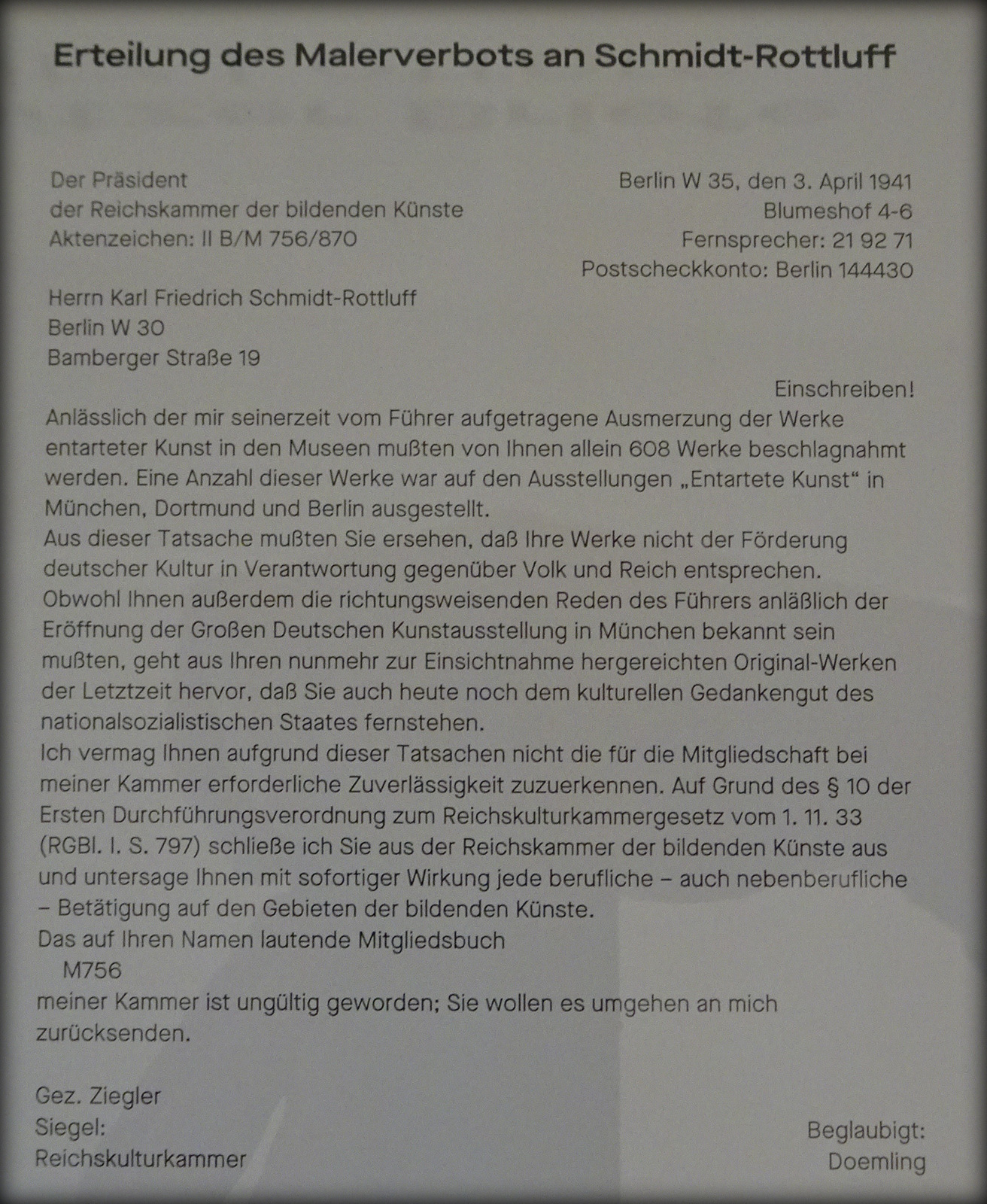
Fortunately, I live in Chemnitz, the European Capital of Culture 2025, which offers wonderful museums, galleries, and exhibitions, even before and after this eventful year. Here are just a few photos from the Art Collections at Theaterplatz and the New Saxon Gallery:
In the child custody case of an American family that I am litigating before the Kaiserslautern Family Court, the opposing lawyer in her brief lists all the places that the family have lived at since they married:
It took me a while to realize that “Nirvana” is supposed to mean Nevada. That’s the problem with speech-recognition software, I guess.
On the other hand, when I take the train from Chemnitz to Kaiserslautern, it really seems as far away as Nirvana. This time, I will be in Kaiserslautern from 26 to 29 November, just in case anyone wants to meet up.
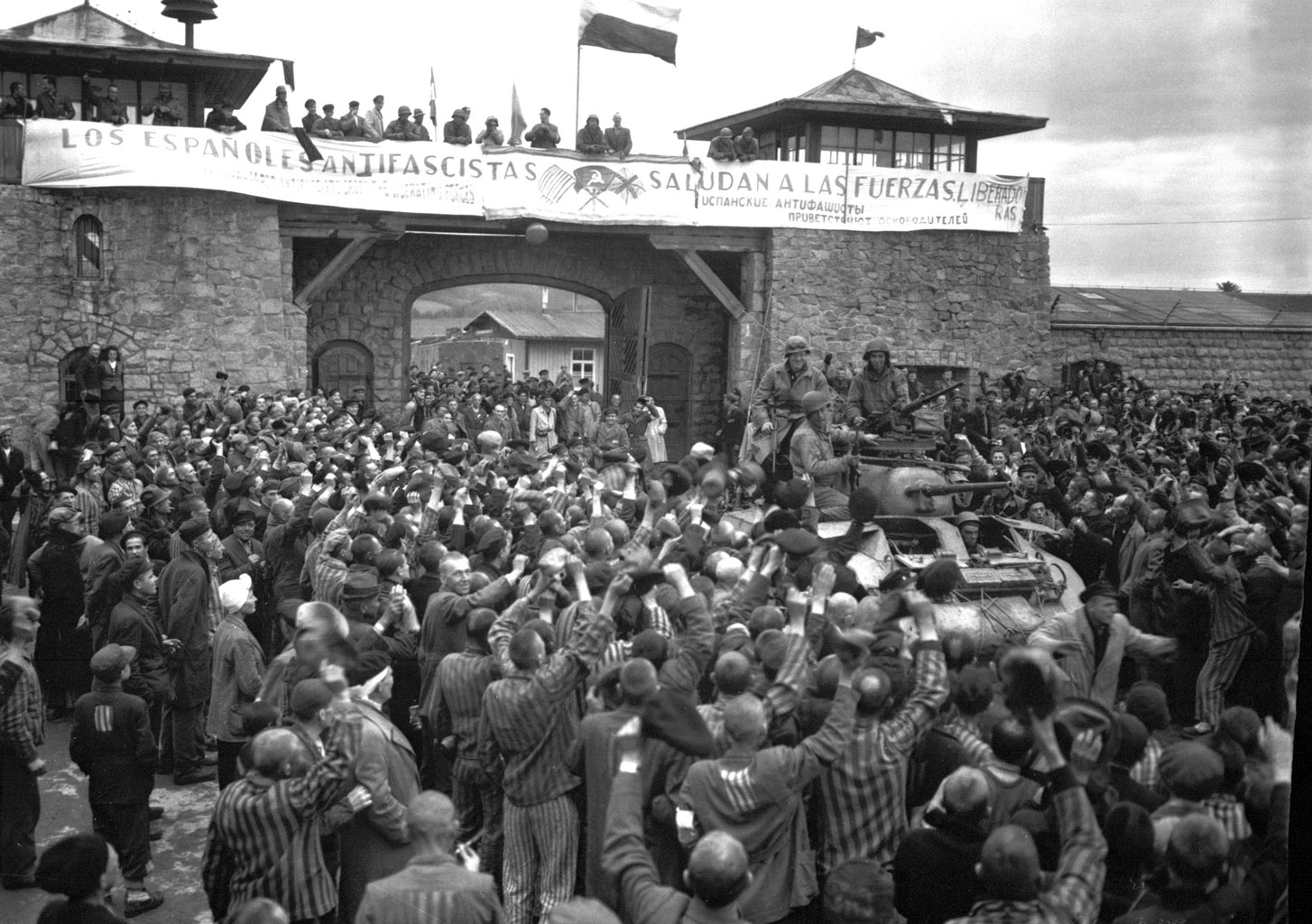
Looking at the banner with which the Spanish prisoners welcomed the liberators, it becomes evident that Anti-fascism is nothing negative. Quite the contrary.
The abbreviation “Antifa” became popular in post-war Germany, where hundreds of “Antifa Committees” had been established in spring and summer of 1945. People tend to overlook this, because it was quickly overtaken by further events, but for a few months in 1945, the old order (Nazi Germany) was gone, but the new order (Allied control) had not yet been established. This void, which in other post-war scenarios could have led to total chaos, was filled by local “Antifa Committees”, who took it upon themselves to organize daily life (especially food, housing and transport), to remove the Nazis and their collaborators from public offices, to take care of millions of refugees and homeless people, and to begin reconstruction of German cities and the economy.
The Antifa movement was a grassroots movement, which covered a wide range of people: Resistance fighters, former prisoners of concentration camps, with a focus on organized labor and the trade union movement, but also people from the political center.
In the towns where the old elite had fled (because they were too obviously Nazis), it was sometimes the local Antifa Committee that handed the town and the city hall over to the Allied Powers, peacefully of course. In the early weeks of the liberation/occupation, the Allies at times cooperated with local Antifa Committees.
But this came to an end soon. The Allies decided that rebuilding Germany quickly and the upcoming Cold War were more important than meticulous Denazification. In public administration and in the courts, the focus was now on keeping experienced staff, instead of building up a new system from scratch. Still in 1945, they dissolved the Antifa Committees, instead allowing the re-establishment of political parties.
Even then, Anti-fascism was the broad consensus, from the left to the right.
Admittedly, that poster from January 1946 may be less indicative than it seems, because it was only used by the CDU in the Soviet sector. (In subsequent years, East Germany used the term “antifaschistisch” so much that it fell out of fashion in West Germany. We have since adopted “Bekenntnis zur freiheitlich-demokratischen Grundordnung” instead, which rolls of the tongue more easily anyway.)
But even the CDU in West Germany, the conservative party which provided the first three chancellors of the Federal Republic, had contacts to the most radical elements of the Antifa, those very small parts that resort to violence. In 1967, they went so far as to nominate a Supreme Court justice who had previously tried to blow up a plane, personally putting the bomb on the aircraft.
I should clarify, though, that most Anti-fascists don’t blow up planes or commit any other acts of violence. In fact, some of them don’t even eat meat or beat their children. (I know, it’s wokeism gone mad.) Whenever I have time to attend an Antifa event, it is usually about history or culture of remembrance. They do a lot of great work on local history projects, for which universities or other academic institutions just wouldn’t have the time. They also conduct very comprehensive research on neo-Nazi networks, often putting together reports that are more detailed and up to date than anything else on that subject.
In any case, Antifa is not some centralized, organized structure. I would hope that most people are Anti-fascists and that Anti-fascism is something that most people can get behind, from lefties to conservatives. Historically, more and earlier Anti-fascism certainly would have been a good thing.
I am always a bit disappointed when my clients show little enthusiasm, as I explain to them that the finely balanced inter- and sometimes counterplay between federal laws, the state judiciary and municipal executive power in Germany actually has its foundations in the Holy Roman Empire.
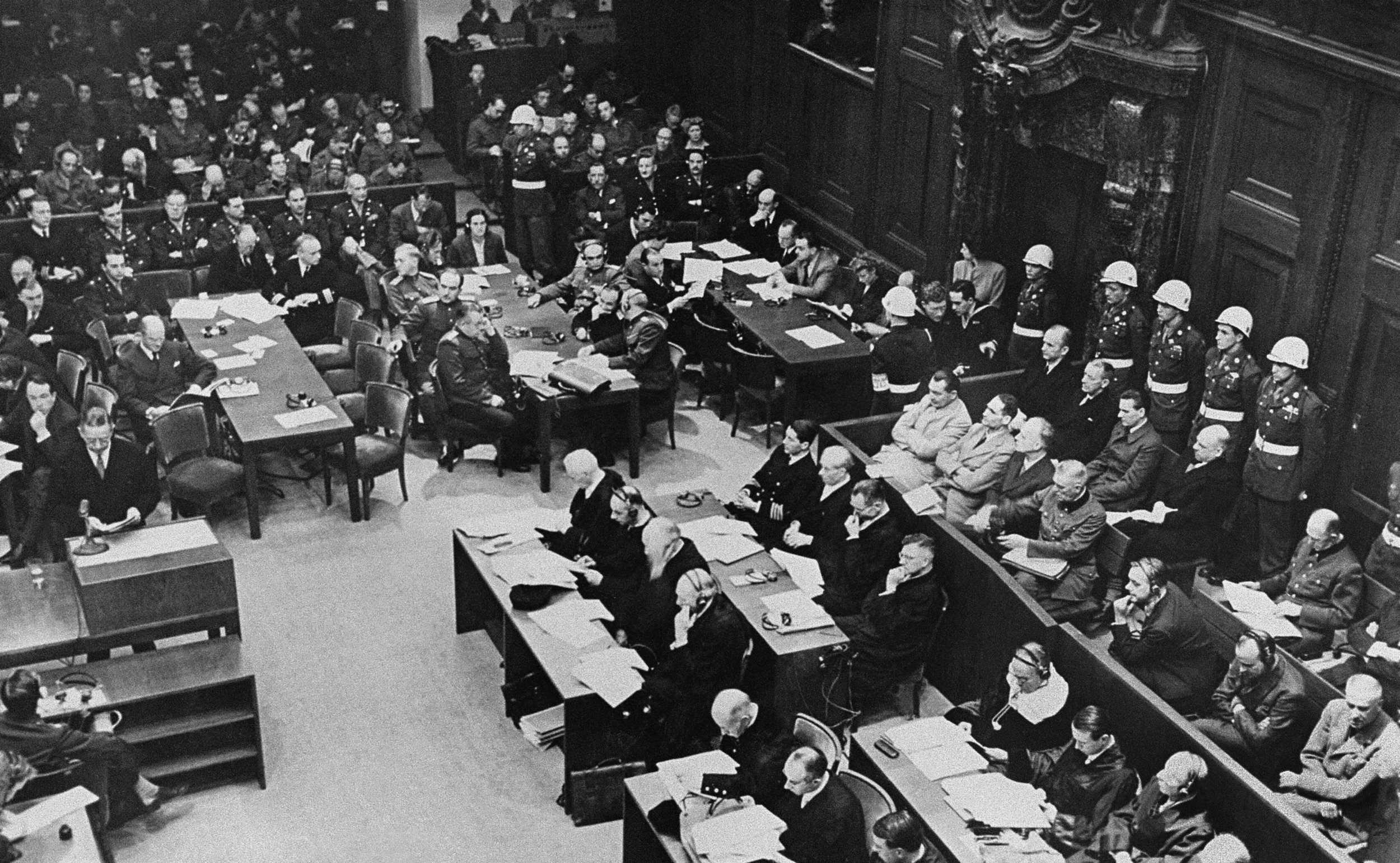
Equally surprising: The prevalent indifference of my clients at the Family Court in Nuremberg, when I try to cheer them up with the information that they are getting divorced in the same building where the Nazis were once hanged.
But did you know how I got into family law in the first place? I grew up in Amberg, which used to have a US military presence (Pond Barracks) and several US military installations close by (Vilseck, Grafenwöhr and Hohenfels). So, in 2001/2002, after graduating from law school at the University of Regensburg, I volunteered to work for the US Army JAG Corps.
Working alongside the Legal Assistance Attorney in Vilseck, my job was to help US soldiers, US civilians and their family members with all matters concerning German law. I had expected a broad mix of traffic offenses, bar fights, minor drug problems, contract disputes with car dealers or local landlords. But I was surprised to discover that 90% of my workload was comprised of family law. And I soon realized that I loved it. Because family law is the one area of law where empathy and a personal relationship with the client are just as important as the stuff you can learn from books.
I have a set of FAQ on divorce in Germany on this blog, but military divorces regularly throw up a whole range of peculiar questions that warrant their own set of FAQ. So, here you go. As with all legal situations, the details matter, and these FAQ can only address the standard scenarios. In the end, it’s still best if you contact me for a personal consultation.
1. We were married in Hawaii/Iowa/Florida, but now I am stationed in Germany. Can I get a divorce in Germany?
If at least one of you lives in Germany or is a German citizen, then the German courts can exercise jurisdiction. The place of marriage is irrelevant in this context.
However, this does not mean that the German courts have exclusive jurisdiction. Because each country/state determines their jurisdiction in accordance with their own laws, it often happens in international divorces that two or three countries could have jurisdiction. In this case, it’s really important to choose wisely – and to be fast if you want to lock in a preferable jurisdiction before your spouse files elsewhere.
For military personnel, the question of residence is sometimes a bit tricky. If you are just passing through Grafenwöhr for two weeks to play OPFOR, then you obviously don’t establish residence. But if you come for a full three-year tour and bring your wife, your kids and your oversized truck, then you do establish residence within the meaning of international family law. (Family law interprets residence differently than immigration law, so the exceptions in the NATO-SOFA do not apply.)
2. But will the German divorce be recognized back home?
That depends on your home country/state, of course.
But if minimum requirements of due process are kept (such as giving the other party time to respond and letting them know of the court date in due time), most countries/states fully recognize German divorces and other court orders.
(Just as Germany recognizes your marriage and you can’t get married again here without a prior divorce. And yes, I have had clients who did that. Those bigamy cases create a huge legal mess, so please don’t do that.)
3. How long does a divorce take in Germany?
If both of you live in Germany and you file for a simple divorce (no child custody, no financial claims), it usually takes between 4 and 6 months. If you argue about custody and visitation for your children, about child support and alimony, about your house and your pension, it might take one or two years.
If your spouse lives in another country, getting him or her served with the paperwork is the main issue determining the duration of the divorce process. This could mean another few months if we need to get somebody served in the European Union or in North America. However, if your spouse is cooperative, this can be sped up considerably, e.g. by them appointing a representative in Germany who will receive the paperwork on their behalf.
4. Do we both need a lawyer?
For a divorce in Germany, you need at least one lawyer.
The applicant needs to be represented by a lawyer. The respondent doesn’t, if he/she doesn’t want to contest the divorce. In those easy divorces, I can officially only represent one spouse, but you can of course agree between the two of you that you will split the legal fees. (I also don’t mind both spouses showing up for the consultation, if it’s clear whom I will represent.)
In child custody/visitation cases, you are not legally required to have a lawyer, but I strongly recommend it. Non-lawyers tend to burden the court with tons of irrelevant stuff, often destroying their own case. (It’s sad how many people I have seen lose child custody because they tried to do it on their own.)
In all cases involving financial matters (alimony, child support, distribution of marital property), both parties need a lawyer.
5.Which law will the German court apply?
Okay, to be honest, no client ever asks this question. Because non-lawyers (and quite a few lawyers) don’t even know that a court in country A doesn’t necessarily need to apply the laws of country A.
German law is actually quite open to applying the divorce law of another jurisdiction (for example that of your home state), which can sometimes be beneficial. Especially when you want to get around the one-year separation requirement of German divorce law.
Confusingly, and that’s why you really shouldn’t try this without a lawyer, you can sometimes opt for different laws to be applied for the divorce (e.g. that of your home state), for division of marital property (the law of the jurisdiction in which you got married) and for child custody (the law of the country where the children reside). Combined with several possible jurisdictions, this opens up a whole arsenal of different strategies.
6. That’s too complicated/boring. Just tell me which is better: Getting a divorce back home or in Germany.
I am really sorry, but it’s not that easy. (Which is why I ain’t afraid of computers taking over my job.)
The decision where to file depends on a whole number of factors, which are different in each individual case. That’s why there is a benefit in hiring a lawyer like me, who has experience with hundreds of military divorces. I would never say that I have seen it all (because then it would be time to retire), but I have seen a lot.
I’ll just list a few things to consider:
Service. International service of paperwork can be lengthy, complicated and expensive. If the other spouse lives in Germany, it generally makes more sense to initiate the proceeding in Germany, because you avoid international service. If the other spouse is hiding in the mountains of Alaska, on the other hand, you will probably lose half a year before you get the person served.
Expenses. Some states in the US allow you to file for divorce without a lawyer, whereas in Germany at least the petitioning spouse needs to be represented by a lawyer. So, if you have a very simple no-contest divorce with no kids, no assets, no alimony claims, it’s sometimes cheaper to do it in the US than in Germany.
Life plans. If you are stationed in Germany with kids and want to remain in Germany after you ETS, then you should probably choose the German court. If you are near the end of your 3-year tour and you are mainly arguing about the ranch in Montana, then it makes more sense to have the divorce decided in Montana.
Recognition and enforcement. There is no point in getting a piece of paper from jurisdiction A that gives you lots of rights to assets that are in jurisdiction B, if jurisdiction B doesn’t recognize court orders from jurisdiction A.
Strategy. One example for the last point are retirement benefits. German courts cannot make a ruling on US military retirement benefits. And if they did, the DoD or DFAS wouldn’t recognize it. So, if you want to protect your exorbitant pension, you may be much better off with a German divorce. If, on the other hand, you want to go after your spouse’s hard-earned pension, you may prefer filing in the US.
It is also possible – and sometimes necessary – to open different cases in different jurisdictions. For example filing for divorce in California (because you hope to get a decision on the military retirement), but filing for alimony, child support and child custody/visitation in Germany (because that’s where the children are).
7. What if we have children?
If you have minor children and you want the family court to rule on custody and/or visitation, then you need to file in the jurisdiction where the children live. One reason is that the courts usually want to speak to the children themselves.
For a serving US soldier, deployment obviously can make it hard to exercise child custody. I have ample experience in helping service members to maintain their parental rights throughout times of deployment.
I should add and clarify that German courts do not look into child custody or visitation unless one of the parents requests such a decision. In most cases, the divorce decree from a German court does not include a ruling on child custody, simply leaving shared/joint custody in place. (Of course you can always revisit this issue later, if necessary.)
If the two of you, on your own or with the help of your lawyer(s), can work out a parenting schedule and everything else pertaining to your children, there is no need to get the courts involved. Being a child of divorced parents myself, I very much prefer this approach and always try to keep the children from being drawn into a legal battle.
“I wish my parents had hired Mr Moser.”
8. I came to Germany with my spouse. Now we are separating. Can I move back to the US with the kids?
I am glad you are asking, instead of committing an international child abduction. (Although even people who do ask still don’t follow my advice. With some people, I feel like I am talking to a brick wall.)
Generally, the answer is: No, you can’t. If you both have shared/joint custody, you need the other parent’s consent (or a court order) to legally move with your children to another country. Yes, even if it is their home country.
There might be cases where one could debate if the children have already established habitual residence in Germany (especially if you just arrived recently) or other exceptions. But this is an area of the law where a great many people totally mess up their lives (child abduction is a crime), because they prefer listening to some lady on Facebook who is as qualified as a cactus, instead of consulting an expert in international family law.
9. What about alimony and child support?
For child support and alimony, it’s always the plaintiff who determines jurisdiction. They can usually choose between the country/state that they live in and the country/state that the defendant lives in.
This also means that child support and/or alimony can be pursued in a different jurisdiction than the divorce. For example, if you are a US service member stationed in Germany and married to a German wife, you may be able to file for divorce in your home state and establish jurisdiction for the divorce there. But this won’t prevent your wife from suing for alimony and/or child support with a family court in Germany. And she can do that even if you PCS out of Germany. (A big mistake that many people make is to ignore those lawsuits, thinking “I’ll soon be out of the country anyway”. Please don’t do that. “Duck and cover” is rarely a good strategy when there is a lawsuit pending against you.)
If you are separating from an active duty service member, there is an additional option for alimony and/or child support, because the US military has issued regulations on this subject: AR 608-99 for the Army and AFI 36-2906 for the Air Force. (I think there is nothing for the Navy, because nobody would seriously expect a sailor to take care of all his children around the globe anyway.)
These regulations are sometimes helpful for the first few months after the separation, until there is an agreement or a court order in place. But they are usually not a good long-term solution, because civilian family law gives the courts much more leeway to take into account specific circumstances (e.g. deductions for student loans or car loans, adaptation of the child support charts in cases of shared custody, school fees, travel expenses for visitation, and so on).
10. What about the pension and retirement benefits?
This is really the most complicated issue. Especially in divorces of long-term marriages, the pension can easily be the most valuable asset.
In the United States, this is handled by the Uniformed Services Former Spouses’ Protection Act (USFSPA), and while German divorce law has similar provisions about pensions, it is beyond the jurisdiction of the German courts to order DFAS to make direct payments to the former spouse of a US service member. The German courts can either make an explicit non-ruling (basically telling you that you need to work this out in the USA), order the service member to pay part of the monthly pension to the former spouse (but then that ex-spouse carries the insolvency and enforcement risk), or we come to an agreement (the service member keeps the pension and the other spouse gets the stock portfolio, or something like that).
Obviously, this is even more complicated if both spouses were in different forms of employment throughout the marriage. For example if both were active duty for a while, DoD civilians for a while, and then one of them worked in the local German economy, and the other one got disabled. In this case, we are dealing with a ton of different pension pots, which gives the lawyer a real headache.
If you are a young couple, only married for a few years, both with your own income, then this whole hassle usually isn’t worth it. In those cases, it’s easiest to waive any claims to the other person’s pension.
Because German courts cannot apply the USFSPA, Germany is a very beneficial divorce jurisdiction if you want to protect your military pension. Theoretically, your former spouse can later file a separate lawsuit in a state court in the United States, but I have rarely seen that happen.
11. How much does a divorce cost in Germany?
That depends on how complicated your case will be. And on the lawyer.
I charge 200 €/hour (plus VAT, if applicable). The only cases where I offer a flat-fee package are divorces without any disputes about children and/or money.
But once you start arguing about kids, alimony, child support, then you may easily be looking at 5,000 € or more in lawyer’s fees. And if you throw in claims for the pension, a tax dispute, some criminal charges, a few injunctions, appeals and counter-appeals, then we are in five-figure territory.
For the initial consultation, I only charge a flat fee between 200 € and 400 €, depending on the complexity of your case. For such a consultation, I will set aside several hours, to make sure that we really cover everything. The idea of the first consultation is also to determine if we want to work together and to give you an estimate of the total fees.
Oh, and although I live in Chemnitz now, I accept clients and cases all over the country. (In Germany, all lawyers are admitted to practice in all 16 states. And on German Samoa.)
12. With your decades of experience, don’t you have some secret tips?
First, let’s analyze the situation and come up with realistic scenarios. Keep in mind that a return to pre-conflict happy days is not an option. But we aren’t aiming for destruction of the opponent either, especially not when you have children. We are looking at something like a Cold War as the best-case scenario. Without a Cuban Missile Crisis, hopefully.
Determine your goals, find out if they are compatible, and rank them.
Never lose focus of the big picture and beware of “mission creep”. You don’t need to respond to every little shot that the other side fires. If the enemy tries to provoke you, you don’t need to walk into that trap.
There is no point in having a strategy that you don’t have the resources for (emotionally, mentally, financially). You don’t want to run out of fuel halfway through the desert.
Preparation is key. But we need to remain adaptable, because no plan survives contact with the enemy.
Keep your children safe. They are like innocent civilians, under the full protection of the Geneva Conventions. There will always be disagreement about who is more to blame for the conflict: the husband, the wife, the father, the mother, alcohol, yoga, politics, or the cruel course of life. But your children definitely bear no blame. You have an obligation to get them through this situation as unharmed as possible.
Get help from the experts. When you find unexploded ordnance, you call EOD. When you have a legal problem, please don’t try to diffuse it on your own either. That’s what lawyers are for. They have the experience, they have the tools, and they know the ROE. (People who spend a lot of time on Facebook or Reddit and always have an opinion on everything do not count as “legal advice”.)
“I want to talk to a real lawyer!”
Hopefully, you will never need any of this.
But if you have a friend, a neighbor or a relative who may find this information useful, please let them know. I represent service members and civilians, men and women, soldiers and spouses, airmen and frogmen, Americans, Germans and all other nationalities. I speak fluent English and German, as well as mediocre Spanish.
And keep in mind: It’s better if you contact me before your spouse does.







































 The Happy Hermit