

Photographed at Kalemegdan Park in Belgrade, Serbia.
Photographed at Kalemegdan Park in Belgrade, Serbia.
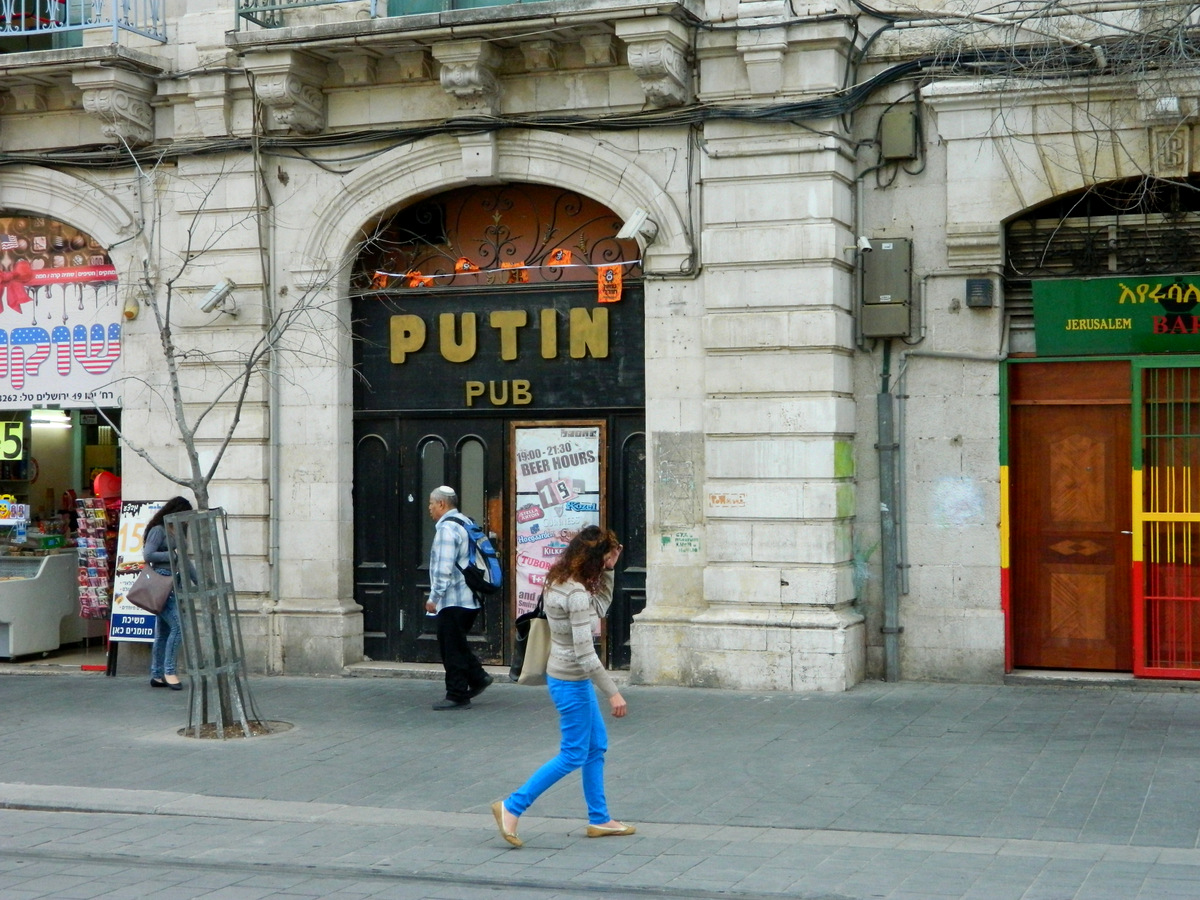
He will manage a pub in Jerusalem, wedged between a shop displaying the star-spangled banner in its logo and one in Jamaican colors.
When you return to the office after six years of retirement (due to the Iran story, as you may remember) to say hello to the few surviving colleagues, you will also meet the gentleman whose name would simply be “Q” in certain movies. “We still have the briefcase with your personal effects. Do you want to take it?” he will ask.
If you are cleverer than me, you will say “no thanks,” for unlocking that briefcase will unlock the spectre – or should I say the SPECTRE? – of the past, the memories long buried, with all the glory and action that you miss, but also the tension and heartbreak that it took you years to cleanse your dreams of.

After a brief look, I closed the briefcase, took it back to the depository and decided to let that can of worms remain closed forever, or at least I will find time to write that book. I am not going back to work. Life as a hobo is far too relaxing, interesting and satisfying.
Don’t ask any questions, I can’t answer them anyway.
A friend in Iran took this photo of the prison at Shushtar, pointing out the freedom-celebrating graffiti on the wall and the mural of Iran’s previous and current Supreme Leader, Ruhollah Khomeini and Ali Khamenei. Prison is exactly where they belong.
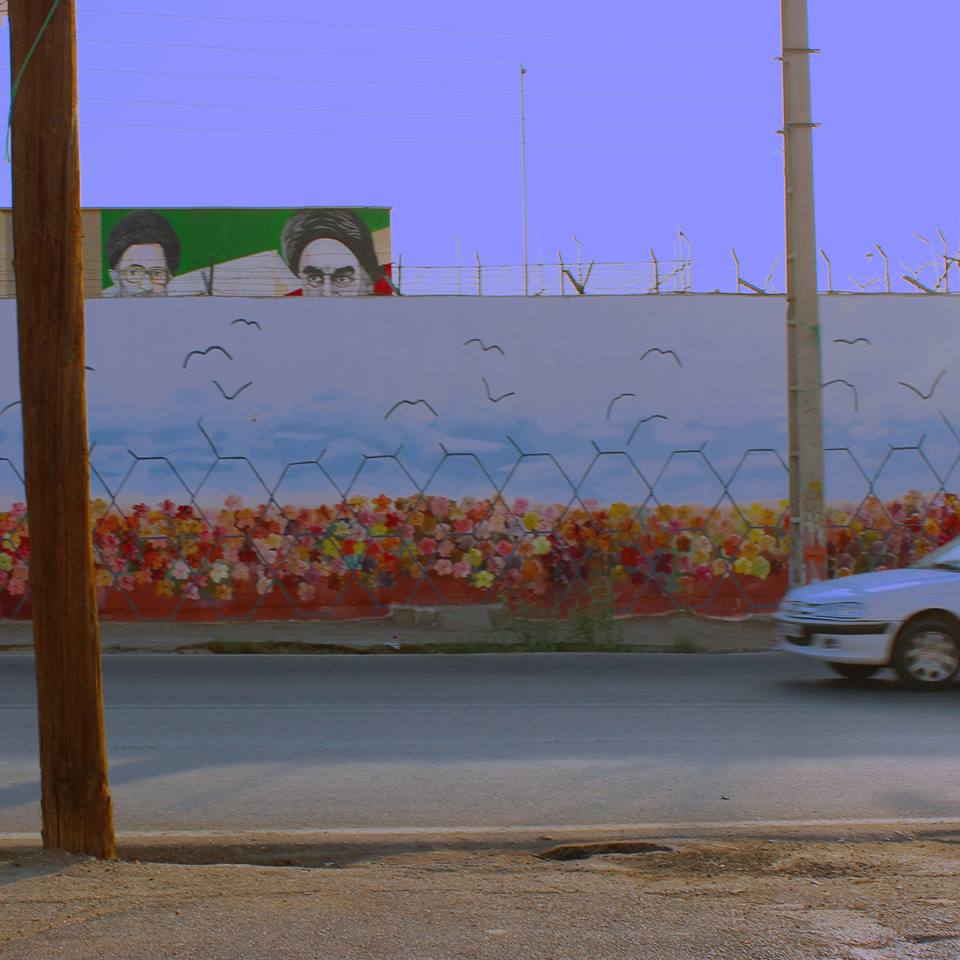
Not wishing to end up in the above prison, the photographer prefers to remain anonymous. After my own experience with Iranian prisons, I can understand that.
“No more hotel rooms available? No problem, I don’t mind staying at the hospital,” one might be tempted to say in Venice if one knows what the local hospital looks like.

And this is only the rear entrance. Because to the front entrance, the wounded visitor is delivered by boat.


My last two weeks in Europe will be spent in Ammerthal, the small and not very spectacular village in Bavaria, where I grew up. People think Germany is a civilized country, but there isn’t even any shop that is open on Sundays.
Three years after the European Union won the Nobel Peace Prize, we have mass graves in Europe again. But it’s easier to ignore them now, because this time they are at the bottom of the sea.
In a laboratory at the University of Milan, scientists go through the gruesome task of trying to identify the victims, a scene which we last saw after the wars in Yugoslavia.

To the people in that plane: You picked the wrong time to fly away. It’s so beautiful here in autumn.

That’s why I will spend two weeks in Germany before flying to Gran Canaria and then taking the boat to Brazil. OK, admittedly, it’s also because I still have a lot to prepare and many articles to write.
(Photographed on a walk from Ammerthal to Amberg in Germany on 31 October 2015.)
For All Saints’ Day (1 November), which is something like the Christian version of Halloween, it is customary to visit the cemetery and leave flowers and candles behind for the deceased relatives and friends. The custom seems to be respected mainly in Catholic areas and countries and even between them there are some differing traditions. From Southern Germany for example, I only remember visiting the cemetery during the day and leaving flowers. In Lithuania however, the whole affair is much spookier and more romantic: the visits to the cemetery happen late at night and thousands of candles light the cemetery.


Some graves are clearly more popular than others. The following photo shows the grave of the Lithuanian author Balys Sruoga, who wrote “Forest of the Gods”, a very memorable and shocking book about his experience in a Nazi concentration camp.

I took these photos during a tour which was organised by a local Couchsurfing member and which included Saulės, Bernardinų and Rasų cemeteries in Vilnius.
After the semi-successful completion of my mission in Romania, it’s time to move again. That means that I have to go through the same protocol as with every other move before.
Step 1
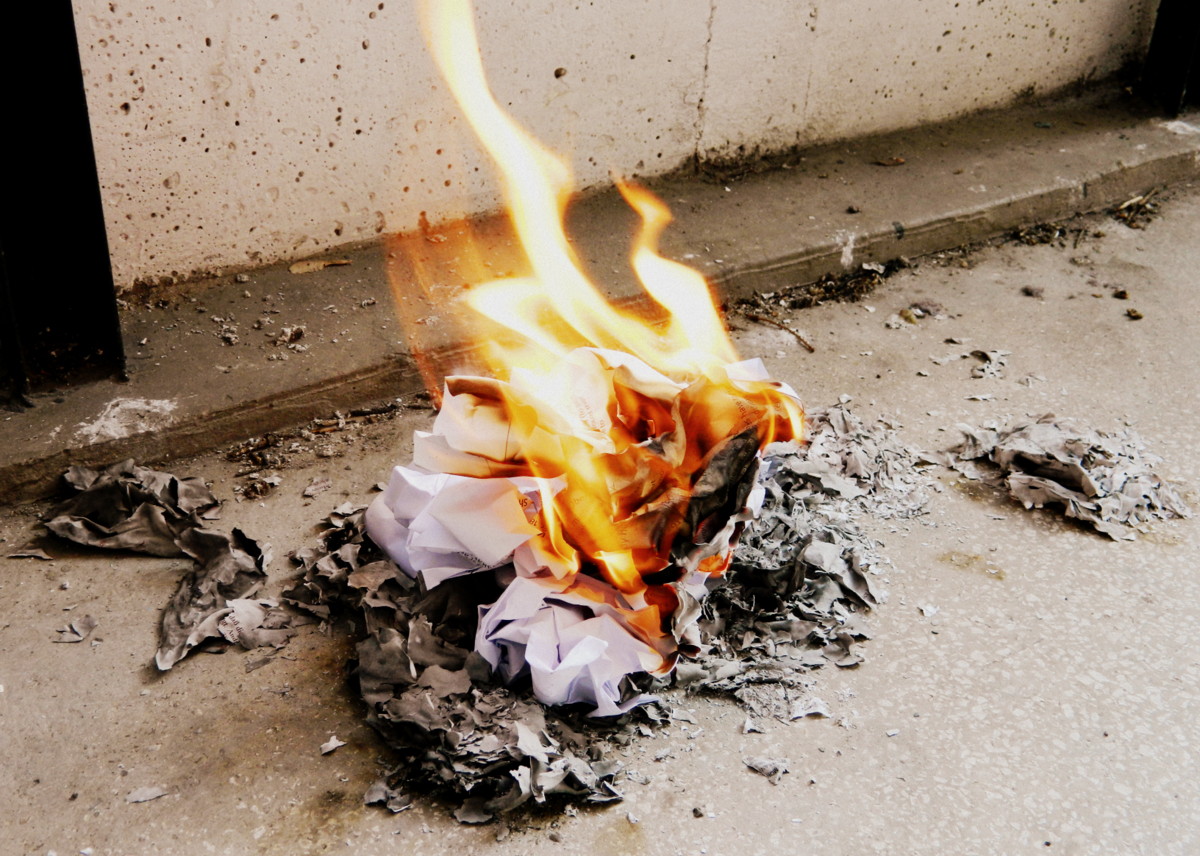
Burn all documents about the completed mission. For that purpose, it’s good to have a balcony. Otherwise, you may accidentally start a forest fire.
Step 2
Dismantle the computer you used for this job.
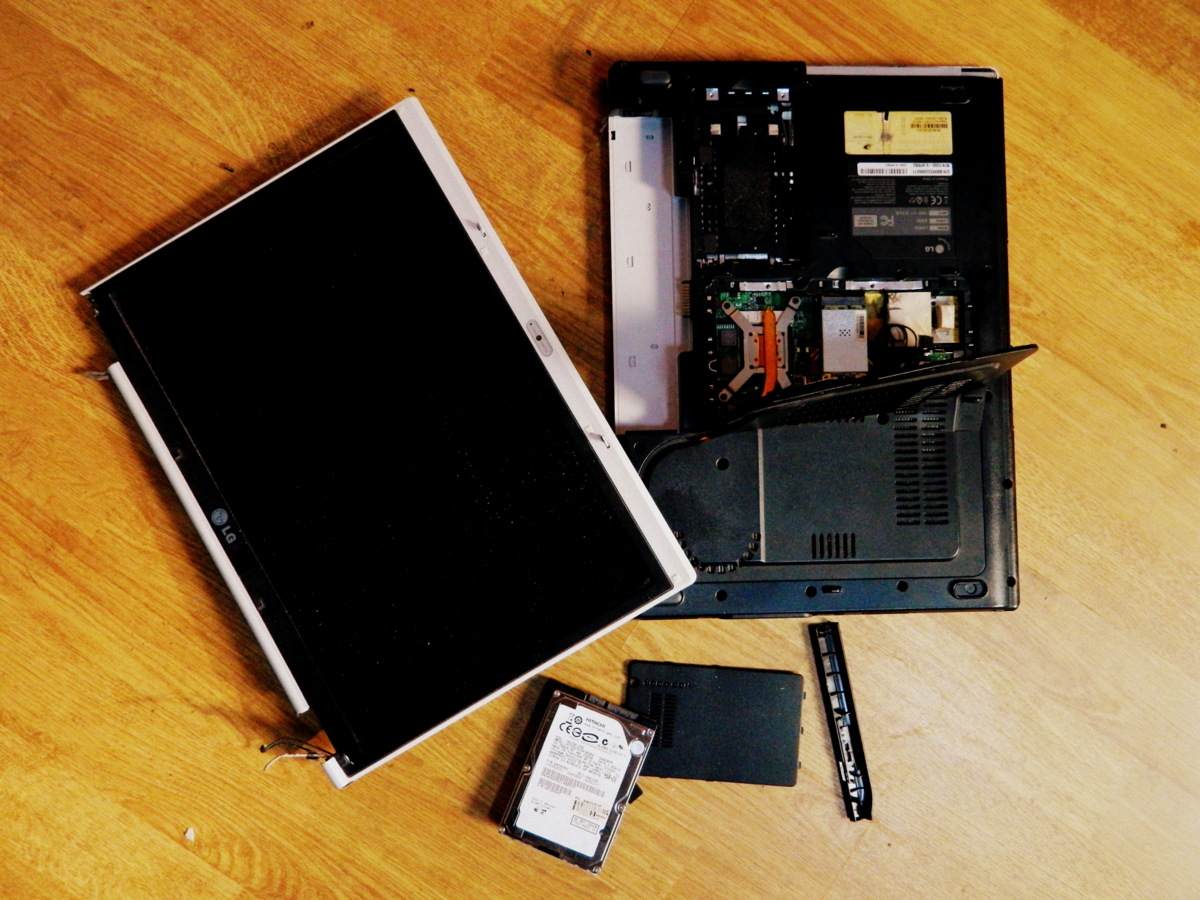
You have to destroy your computer because even after formatting it, some tech-savvy people could recreate your files or traces of your activity. And it’s far too dangerous to take a computer through the airport, where it can easily be confiscated under some pretext or where the data on your hard drive can be scanned (why do you think you have to push your notebook through these big machines separately from the rest of your luggage?).
After dismantling it, you put the parts into the bathtub or you boil them for 15 minutes. (Like with pasta, add salt and oil for better results.)
Step 3
You put all the parts into a bag and go for one last innocent walk around town, obviously making sure that nobody follows you. You will drop different parts in different rubbish bins and recycling containers all over town. Even if somebody found one part, they wouldn’t know about all the others.
For the hard drive, you take extra precautions. It’s best to go to a bridge across a river and to drop the hard drive into the ice-cold water under the cover of darkness. If possible, pick a pedestrian bridge where there is consequentially no traffic. (All the time you thought I was jogging around town for fun, I was looking for locations like this.)
Even though it’s not strictly part of the protocol, according to spy tradition, you should do this in a night with a full moon.

Mission accomplished.
Now I am ready for new adventures on the other side of the world!


