Hier geht es zur deutschen Fassung dieser Geschichte.
I had two days left in Boston before returning to Germany, and I didn’t know anybody in the city. The year was 2009 and, as far as I knew, the internet hadn’t been invented yet.
For dinner, I got a pizza and a copy of the Boston Globe. I went to Boston Common, a park, to sit on a bench and eat and read. Alone, as I often do. I had already finished half of the pizza and decided to leave the rest for later (American pizzas are made for American stomachs), when a young man walked by. He continued for a few meters, or yards, as he would call them, paused, turned around and came up to me. I quickly analyzed the situation, saw that it had gotten dark, that I was rather alone in the park, and that I hadn’t even taken a plastic knife from the pizza parlor. There are about 50 homicides per year in Boston.
“Excuse me, Sir. I am sorry if I am disturbing you.” He sounded and seemed polite. I was ready to hand over the rest of the pizza, should he pull a gun. (Americans are crazy about guns and pizzas.)
In my repertoire of facial expressions, I have one that says “I’ll give you a few seconds to explain what you want, and depending on what you say, I will be your best friend or I will tear you to pieces.” It was the moment to use it.
The young man, whose name I have sadly forgotten, and whom out of journalistic integrity I cannot simply refer to as David, Michael or Jonathan, although it would make the story much easier than these convoluted insertions, was either quite honest or quite clever in his approach. “I was wondering if I could ask you a question, because you look intelligent.”
I had to laugh before I could say “thank you” from the bottom of my heart. “Why do you think I look intelligent?”
“Because you are reading a newspaper, Sir.”
I was still smiling and pointed out that reading a newspaper may not qualify me to answer any question, but I asked the young man to take a seat. I did not offer any pizza yet because that would depend on the type of question. If it was a stupid one – yes, there are stupid questions – I wanted to be able to get rid of him and return to the pages that made me look so erudite.
“So, I have this problem with a girl,” he began. How convenient that I was a family-law specialist, although he couldn’t have possibly known that or known that I was a lawyer at all. Would the lawyers of Boston Legal ever sit in a park late at night to eat pizza? Probably not. In any case, I was relieved. This was my area of expertise and I had already helped hundreds of men regain their freedom. I could liberate this young man as well.
“She likes me and she told me that she wants to be with me. I also like her as a friend, but I am just not that attracted to her.” So far, it sounded like a surprisingly teenage problem for someone who looked like he was at least 21 or 22 years old. “But I am attracted to another girl. Now the matter gets complicated: the girl who likes me is white, and the girl I like is black. The white girl now accuses me of racism. And I find this thought quite disturbing, because I never thought of myself as a racist.” And, ending with a poignant question like a high-school essay paper: “Do you think I am racist for liking a black girl and not the white girl?”
That was a new question, which I liked. (One reason why I quit my lawyer job later that year was that clients rarely came up with new questions. I was getting bored.) A question that deserved a lot of thought, but I couldn’t let the young man wait, or he would sign up with the wrong girl. And I wanted to give him a positive answer, to be honest, so my thoughts were not swirling around completely free, as they should have. I also realized that he wanted practical advice, not a sociological discussion about race. After all, one could argue that everyone is a little bit racist, at least sometimes. (Just stop for a moment to realize how you have been imagining me and the young man in this story, although I haven’t given you any indication about the color of either.)
“I don’t think that you are racist. First of all, if you are in love, I am not even sure it’s your own decision. Sometimes, it just happens, and we don’t really have any control over it.” In the 16th century, love was seen as an illness by some, necessitating medical treatment. And who hasn’t ever wished that there was a vaccine against it?
“And then, I assume that your attraction to the lady in question is not based on the color of her skin, but on her character, on her smile, on her intellect, on what she says, does and thinks,” I possibly extrapolated from myself to him. “Maybe the way she kisses,” I thought, but didn’t mention it, because it seemed to me that he hadn’t gotten that far yet.
“And lastly, you might want to ask the white girl if it wouldn’t be equally racist against all other colors if you became her boyfriend. Whenever we choose one person only, we are disappointing dozens of others. Relationships are not the realm for anti-discrimination laws.”
“Say, do you want a slice of pizza?”, I offered, far too late.
“Oh, thank you very much, but I should actually be going. I am staying at a shelter for homeless veterans and I need to be there by 10 p.m.” It was already ten past ten. He thanked me again, visibly relieved.
It was a warm night, I had gotten hungry enough to finish the pizza, munching it while pondering thoughts about race, about love, and about how a rich country treats its military veterans.
I don’t know what became of the young man and the girls in Boston, and chances are low that either of them will read this. (Unless you widely share the article with your friends.) But even now, ten years later, as we have Couchsurfing and Tinder and Bumble and lots of other apps to meet people, I am still thankful for that chance encounter. Because it taught me a lesson that I turned into a strategy.
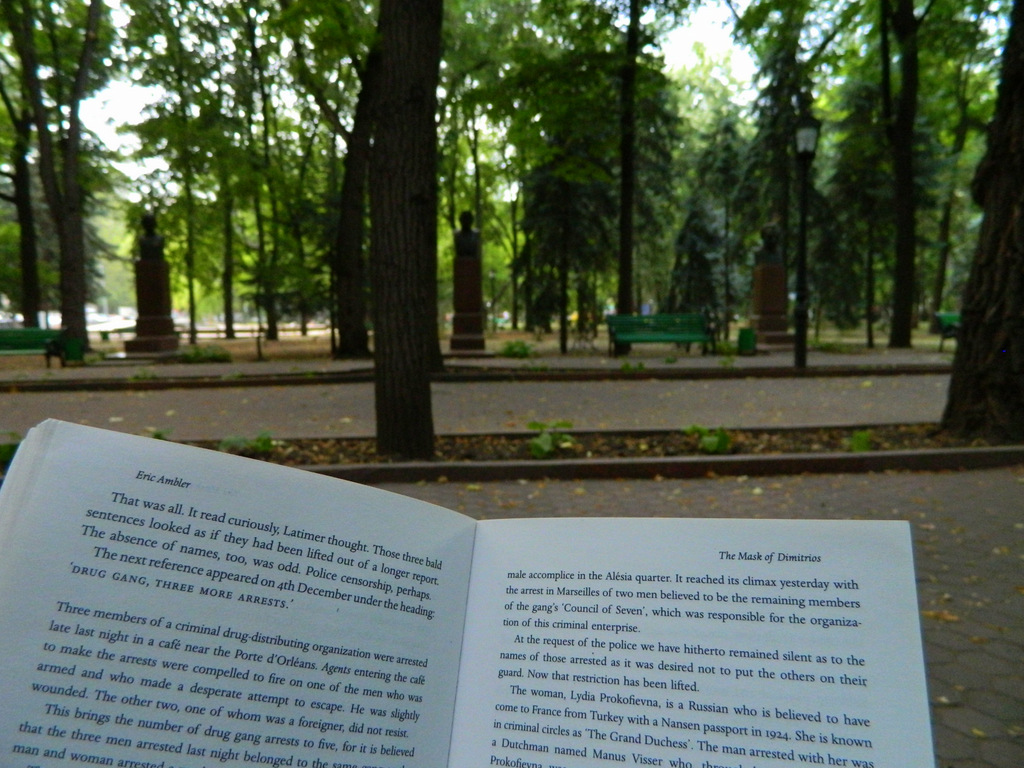
Since then, whenever I have more than a few days in a city (and weather permitting), I will go to a park and just sit there for a few hours, open to any surprises that fate may throw my way. I like to read a book or a newspaper, so people see that I am not in a hurry. You don’t see that many people reading in public, so it also makes me more interesting, I imagine. And to someone who is curious, a book or a newspaper is a good conversation starter.
Once, in Belgrade, I was sitting in Studentski Park, enjoying a few sunny hours and a copy of Süddeutsche Zeitung, bought from the well-stocked newsagent just on the other side of the street, who is always my first stop after a few weeks without news in the Balkan countryside. A couple in their 60s, Miro and Maia, two chemical engineers, thus saw that I spoke German and started telling me their life story, which included working in East Germany. They were so happy to meet someone willing to listen that they were almost fighting with each other about who got to tell which story. (They were also in heated disagreement about many of the memories, as well as about the industrial policy of the GDR.)
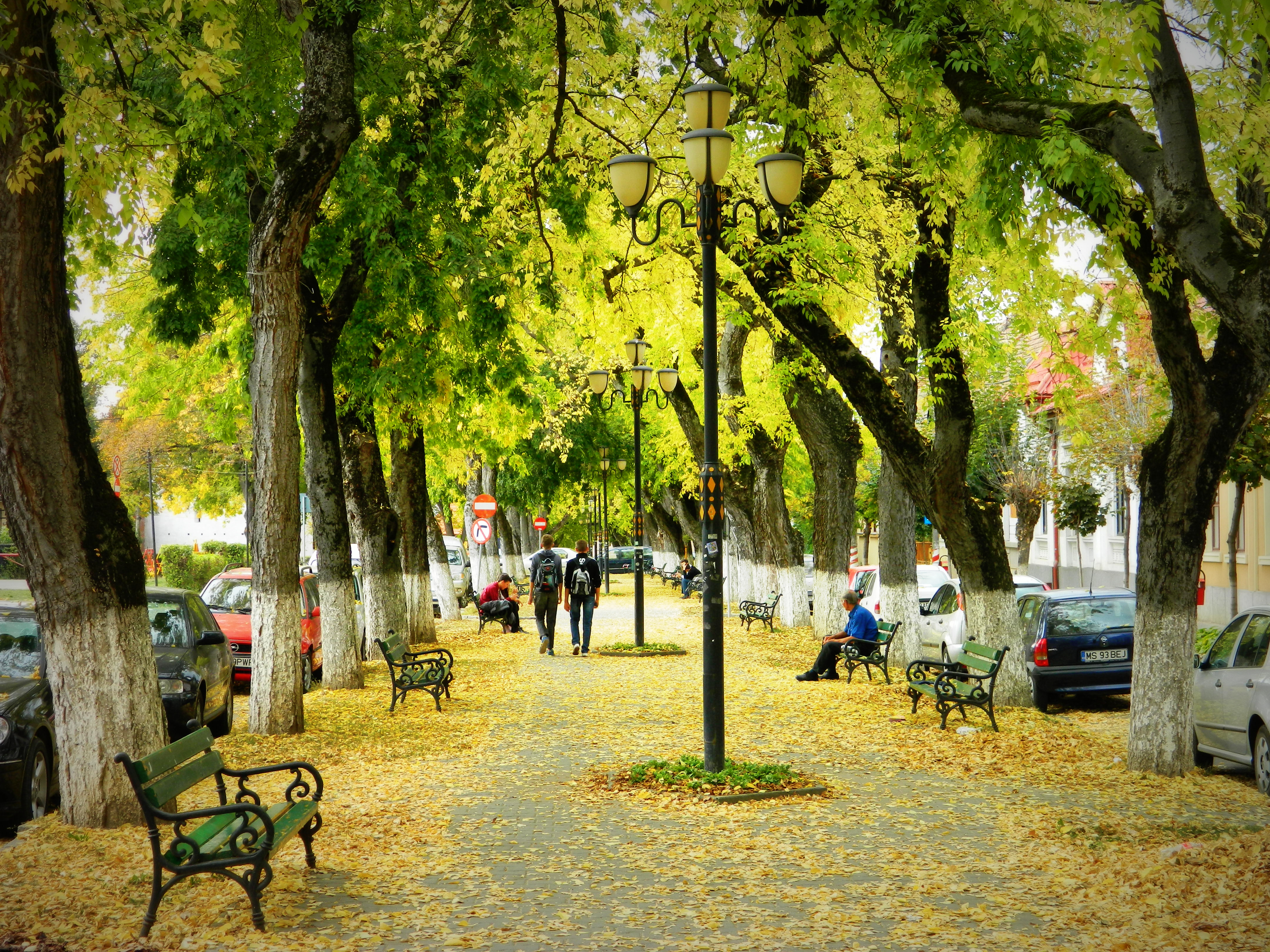
In Targu Mures, I sat outside, reading again. On the next bench, there was an elderly man, looking as if he had just finished a hard day’s work at the chemical plant, holding on to a bottle of beer instead of a book. After a wile, apparently recognizing me as a foreigner, he asked if I happened to speak Romanian, Hungarian, English, French or Russian, for he would like to ask me a question, if I permitted. We settled on English, and he said: “I was just wondering if I could take a look at the book you are reading, because I noticed you smiling and chuckling repeatedly.” The book was “Scoop” by Evelyn Waugh, a truly funny read.
It turned out that the gentleman was a retired engineer, a good-humored fellow, and had published a collection of stories himself. (Romanians love books and writing as much as Americans love pizzas and guns.) We had a wonderful conversation, realized that we lived in the same neighborhood, and when we exchanged business cards, as old-fashioned people do, I realized that Vasile was also the chairman of the local Jewish community. Noticing my interest, he said without hesitation: “If you have time this Saturday, why don’t you come to our synagogue at 10 in the morning? I will give you a tour of the building, it’s quite beautiful, and then you can celebrate shabbat with us.” I felt the need to point out that I was not Jewish, but he cut me off, “And why would that bother us?”, as if it was the silliest excuse he had ever heard.
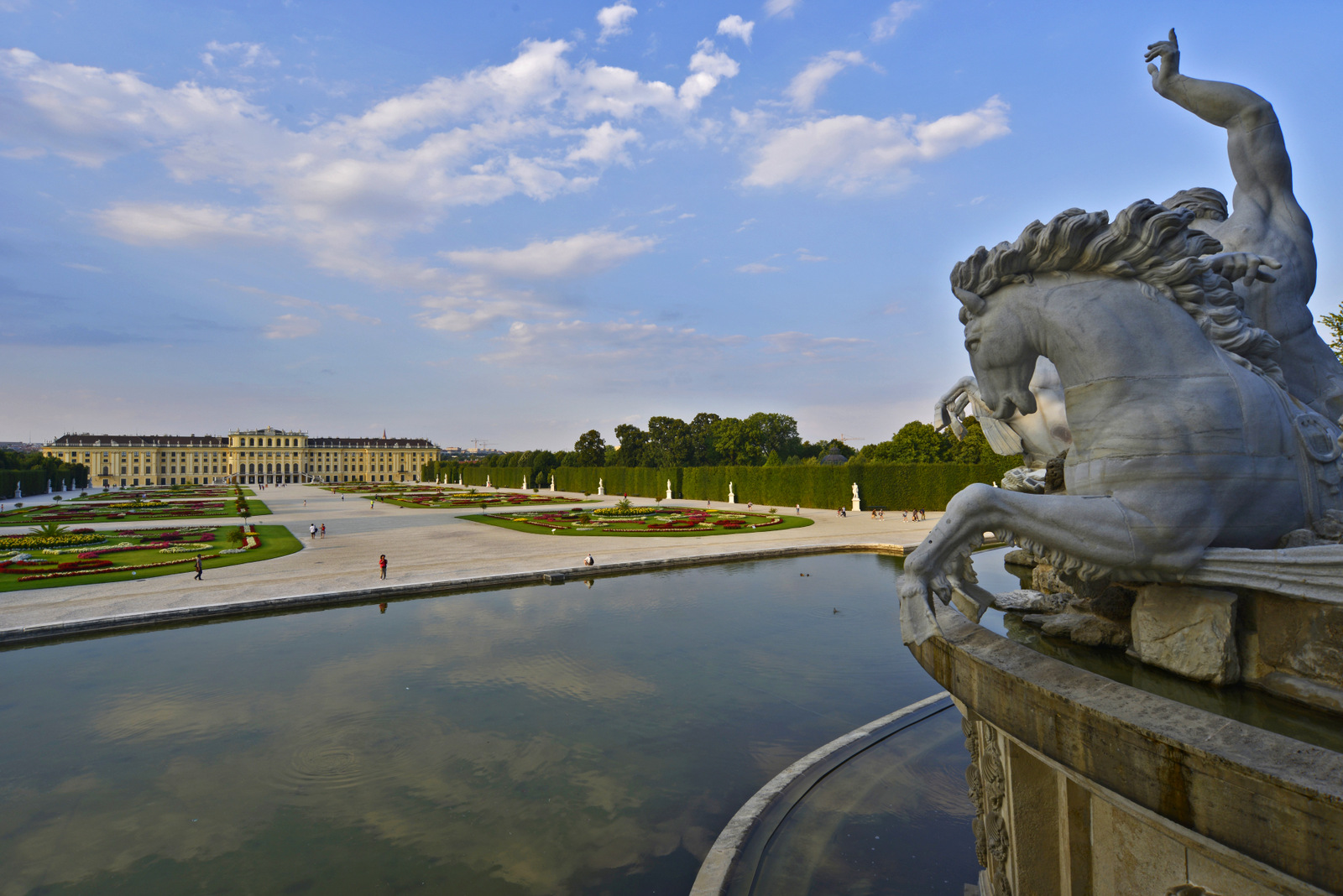
I did show up and met a very welcoming community of mostly elderly gentlemen and a young family from the United States, living in Romania at the time. To cut this long-winding story short, they later moved to Vienna and I became their house/cat sitter for two summers. So, if I had stayed at home that summer evening in Targu Mures, or played on my phone instead of reading a book, or ignored the gentleman’s question, I never would have had the chance to live in Vienna for a few months and I wouldn’t have discovered what is probably my favorite city in the world.
A city with quite some cute little parks, too, coincidentally.
The people who approach me are usually older, the ones who are lonely and have time to talk. Often, it’s people walking their dogs. But I have also met interesting young people that way. They are often intelligent individuals who appreciate the sight of someone reading or writing. And of course there are the homeless and the beggars, but they have the best stories of all.
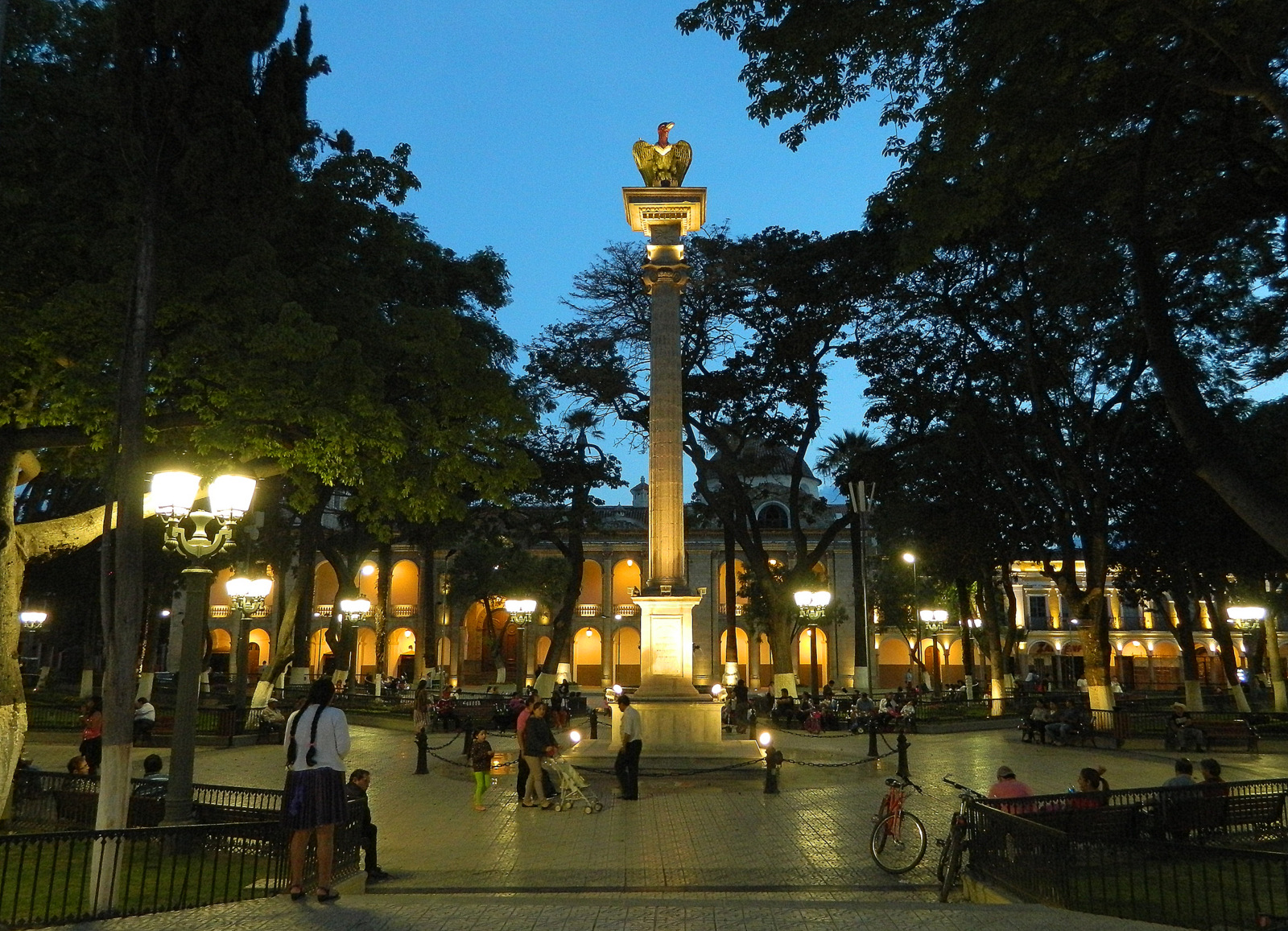
Only the Jehovah’s Witnesses can be annoying. But when I lived in Cochabamba, I even spoke with those freaks, using them as Spanish tutors sent from heaven, as much as they were threatening me with the prospect of going to hell.
There is a reason why I am tapping into these memories now. We probably won’t be able to travel far and wide for the next year or two. But, as you have seen, it’s not necessary to travel far and wide. Once you can go to the park again, just listen to people, and you may be surprised by how many beautiful souls and stories have been living around you all your life.
Links:
- More travel stories.
- More stories about love and life.
- Luckily, my way of reporting doesn’t cost much, just a newspaper and a new pencil from time to time. If you enjoy stories like this, you can make sure that there will be more of them by supporting this blog. Thank you!




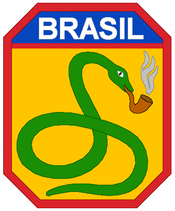 “The snakes are smoking!”, the incredulous cries accompanied the soldiers, and the Brazilian Expeditionary Force self-mockingly selected that symbol for their shoulder patch. War is always chaos, and thus, it only became obvious as the troops landed in Italy that they had no weapons, that nobody had arranged barracks for them and, worst of all, that nobody had told them about winter, cold and snow.