Paul the Apostle was on a sea journey from Caesarea (in today’s Israel) to Rome in the year 59 to appear in front of a court there, when he was shipwrecked and managed to get to safety on the island of Malta.
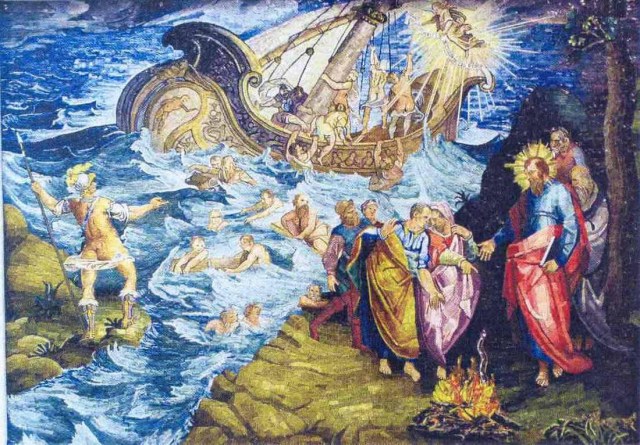
A mosaic about St Paul's rescue on Malta, inspired by a fresco in the Vatican by Nicolò Circignani and given to Malta by Pope Benedict XVI.
Chapter 28 of the Acts of the Apostles says:
[1] And when they were escaped, then they knew that the island was called Melita [=Malta].
[2] And the barbarous people showed us no little kindness: for they kindled a fire, and received us every one, because of the present rain, and because of the cold.
[3] And when Paul had gathered a bundle of sticks, and laid them on the fire, there came a viper out of the heat, and fastened on his hand.
[4] And when the barbarians saw the venomous beast hang on his hand, they said among themselves, No doubt this man is a murderer, whom, though he hath escaped the sea, yet vengeance suffereth not to live.
[5] And he shook off the beast into the fire, and felt no harm.
[6] Howbeit they looked when he should have swollen, or fallen down dead suddenly: but after they had looked a great while, and saw no harm come to him, they changed their minds, and said that he was a god.
[7] In the same quarters were possessions of the chief man of the island, whose name was Publius; who received us, and lodged us three days courteously.
[10] Who also honoured us with many honours; and when we departed, they laded us with such things as were necessary.
It’s not because of the description of the Maltese as “barbarians” – which means “people who don’t speak Greek” and thus includes myself – that I am reminded of this passage from time to time, but it is the ever-recurring discussion in Malta about refugees.
Per capita, Malta received the highest number of asylum applications in the EU last year, mainly due to its location. Not all Maltese are happy about this, though. Any debate about refugees or immigrants will quickly lead to comments likes these (taken from the comments by readers on the Times of Malta website only today):
We’ve been saying for a long time that Malta is full up. Now the figures prove us right. What is the EU going to do to stop the influx? We need a robust Frontex with the means to push back the boats.
Or this one, apologising or belittling charges of racism against people of colour:
The world has gone completely crazy with this political correctness and allowing a group of fanatics to play the race card. Malta does not need these illegals from Africa, they are just a burden on our welfare system, nobody asked them to come over. If they feel they are being discriminated against then they should have thought it before making the illegal crossing. Malta was very much at peace and was a serene place before this invasion of illegals from Africa started crossing from Libya.
The following commentator seems to take his view more from verse 4 than verse 2 of the above, assuming that all refugees are criminals.
Shame on our authorities who bow to EU dictatorium, ending tarnishing our island with drug dealers / prostitution / robbers and street roamers.
People are not ashamed to draw crude historical comparisons:
These enormous influx of illegal immigrants seeking asylum, with only a minority (5%) given the status of refugees, have led to the situation where many Maltese people are seeing this as an invasion.
Maltese people have always reacted very strongly when other nations tried to invade us, and till now we have always been hailed as heroes! (Great Siege, French Invasion, English occupancy, World War 2 etc.)
I am totally against racism, however we have to STOP this illegal immigration immediately.

"Thank God I wasn't black."
These are not comments that people make in a bar or among friends, these are comments that people leave on a website of a newspaper, signed with their names. I shudder at the thought of what these people utter in private.
Blogs, not least this one, have experienced similar xenophobic rants, culminating in an anonymous phone call with racist slurs. I wish to point out that on the other hand a considerable number of Maltese care about those less fortunate and are aware of and concerned about the wide-spread xenophobia and racism on this island.
I wonder how Saint Paul would be welcomed today in Malta if he were on one of those ships in distress in the Mediterranean.

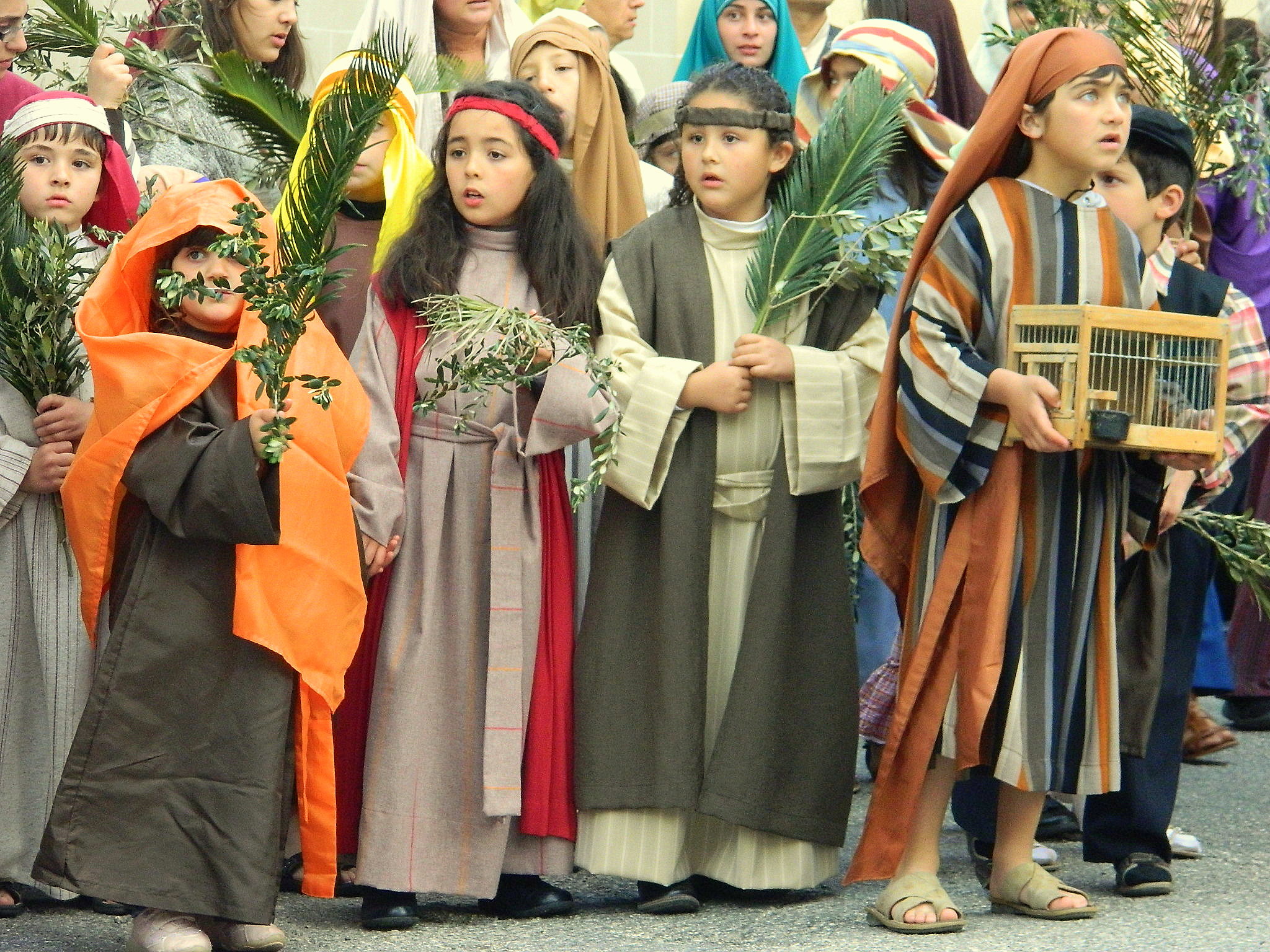
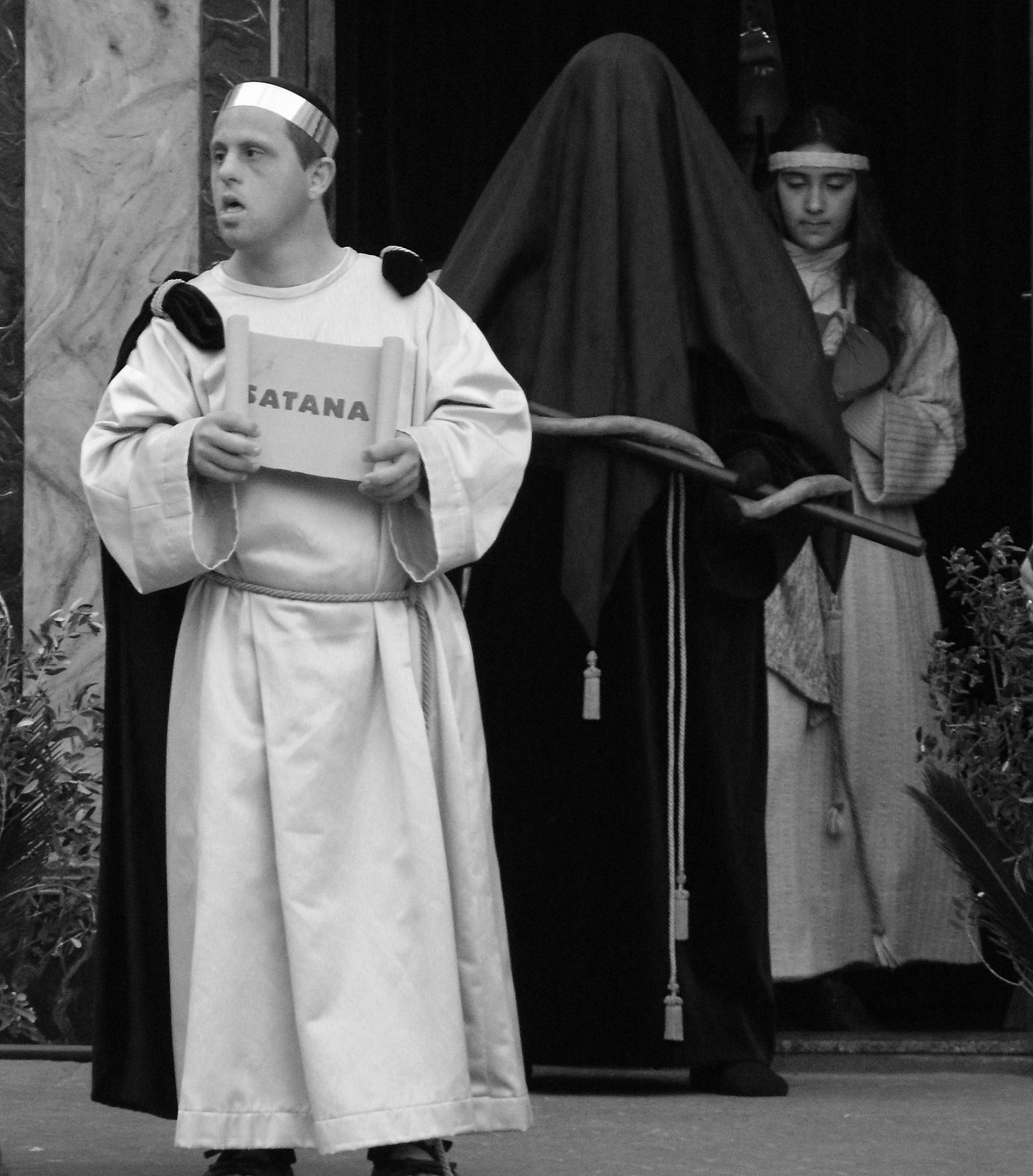
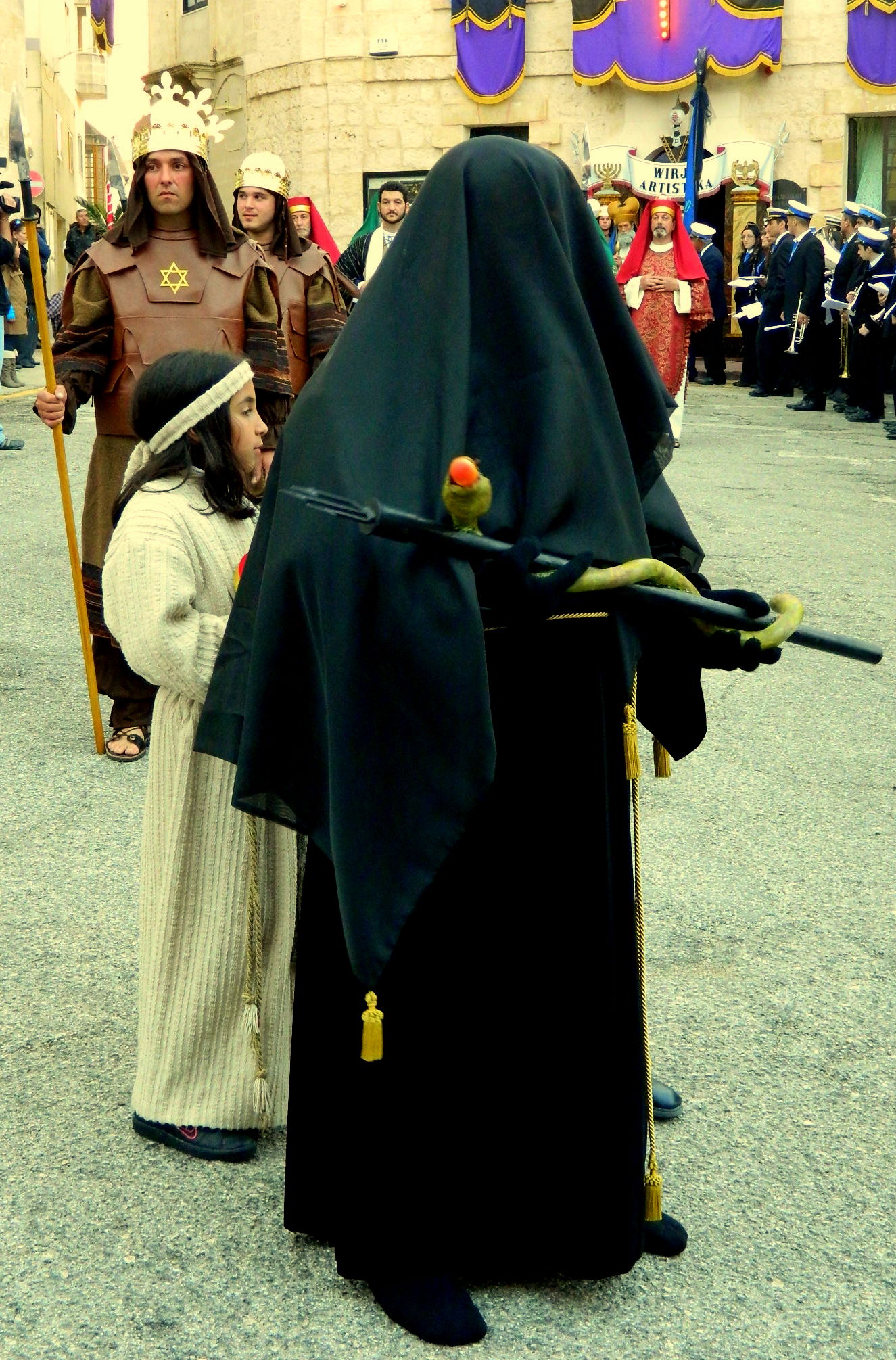 I don’t exactly know who these guys are, but in order to make it easy for us to identify them, the organisers stuck a big fat sign on each of their chests.
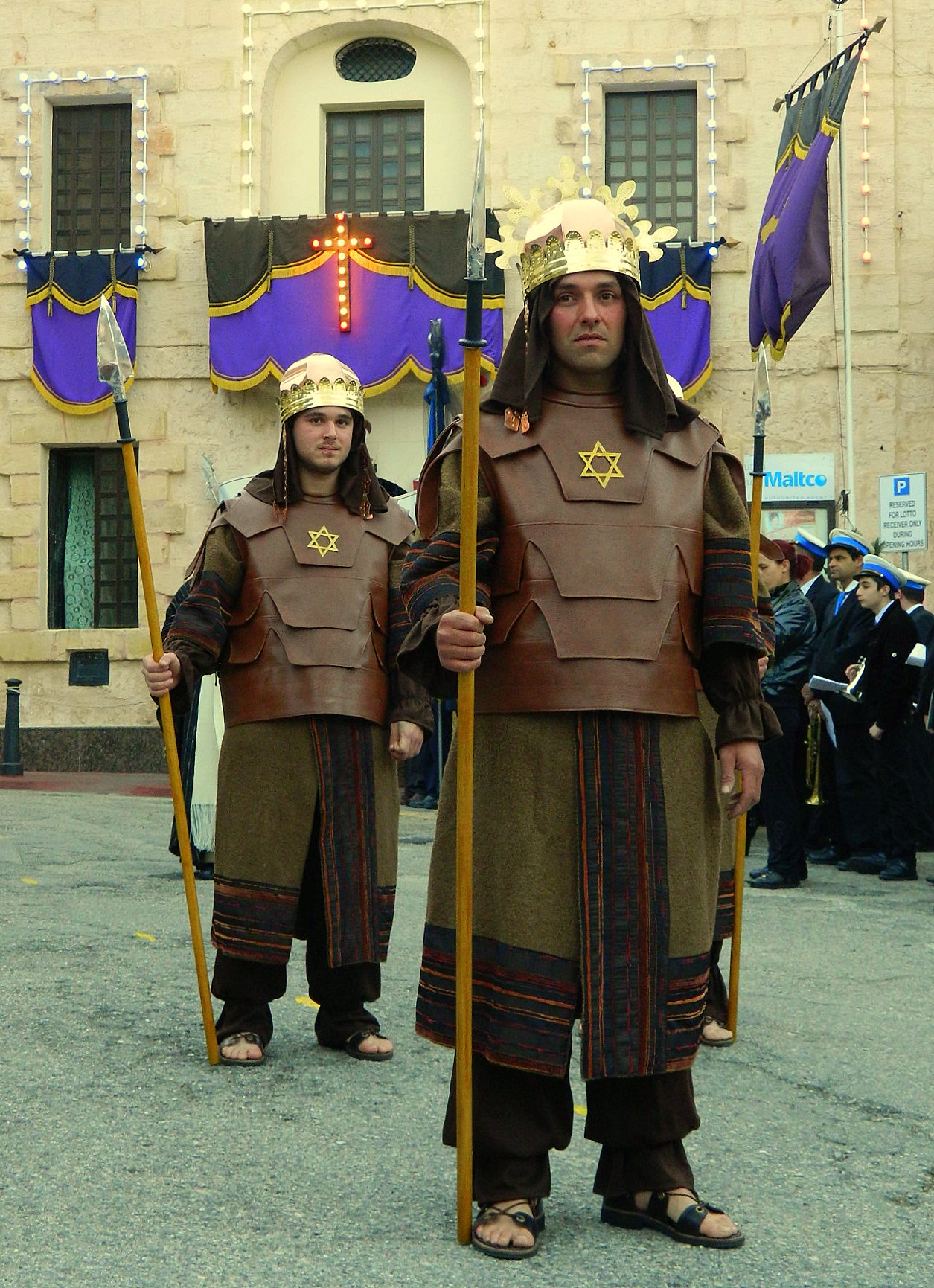
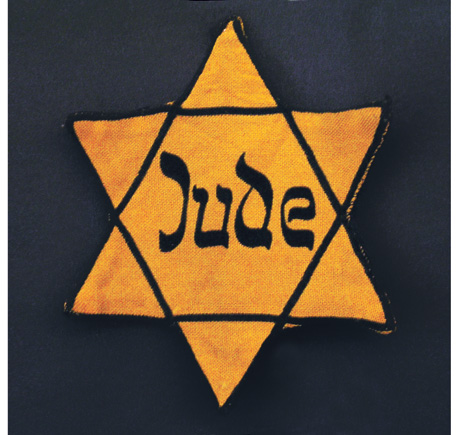 And finally, when you organise a religious pageant and you design the costumes for the Jews, which colour will you pick for the Star of David? Well, that’s simple, because there is another historic example which you can depend on. You can’t go wrong with yellow.
 But now, as my job here is coming to an end, I can reveal the real reason behind this stranger’s presence on this island. I am also able to do so and to lay open the results of my clandestine investigation because part of these results have already been made public.