I have been to Israel many times and I dare say it’s my favourite country. Yet I don’t have a lot of photos from most of my visits. On most of my trips to Israel I was guiding youth groups from Germany, so I was too busy to take any photos. On other trips, I went to lawyers’ conferences which were less photogenic, or I just visited friends and I didn’t really go to any touristy places.
But on my last trip, in May 2009, I had a professional photographer with me: my Dad. We rented a car and went on a road trip around almost all of Israel. We only had one week, but because Israel is relatively small, that is enough to see the highlights, especially if you plan ahead and get up at 0600 every day.
We arrived in Tel Aviv early in the morning, picked up the car at the airport and I thought: “If I can somehow remember the way, we might be able to get to Jaffa just in time for the sunrise.” We did, thanks to my supernatural memory and my orientation skills. My Dad can’t start the day without his traditional breakfast and he was mightily impressed that he could get chocolate croissants with his coffee. (It was his first time in the Middle East and he probably expected nothing more than sand and camels.)

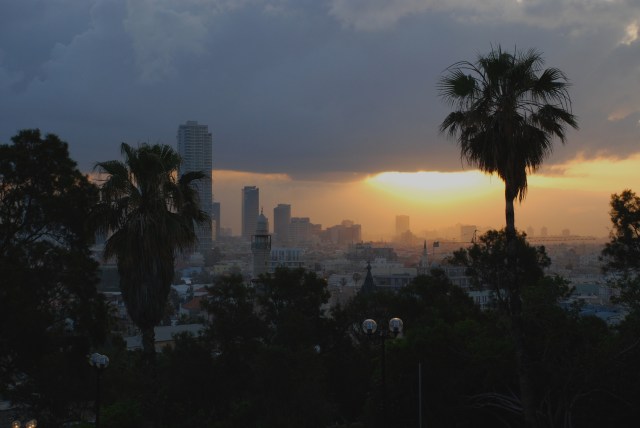
Jaffa is the oldest and most beautiful part of Tel Aviv. Whenever I stayed in Tel Aviv and needed a break from the hustle and bustle, I jogged along the beach until I got to Jaffa and spent a few hours there, relaxing on the grassy hill from which one can overlook both Tel Aviv and the Mediterranean Sea.

This is the sunrise over Tel Aviv:
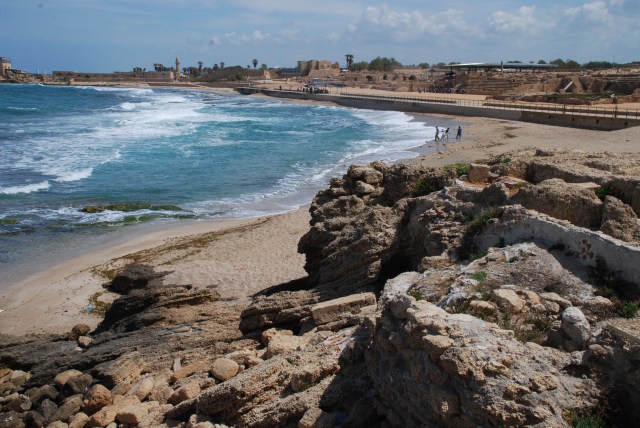
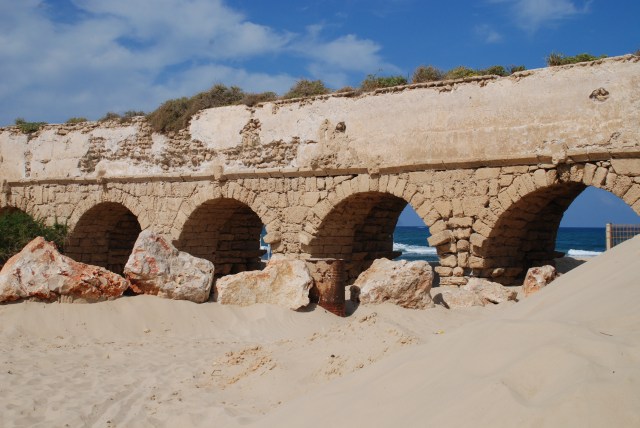
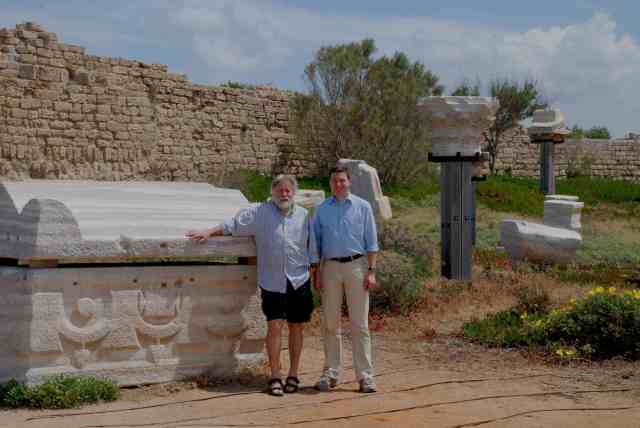
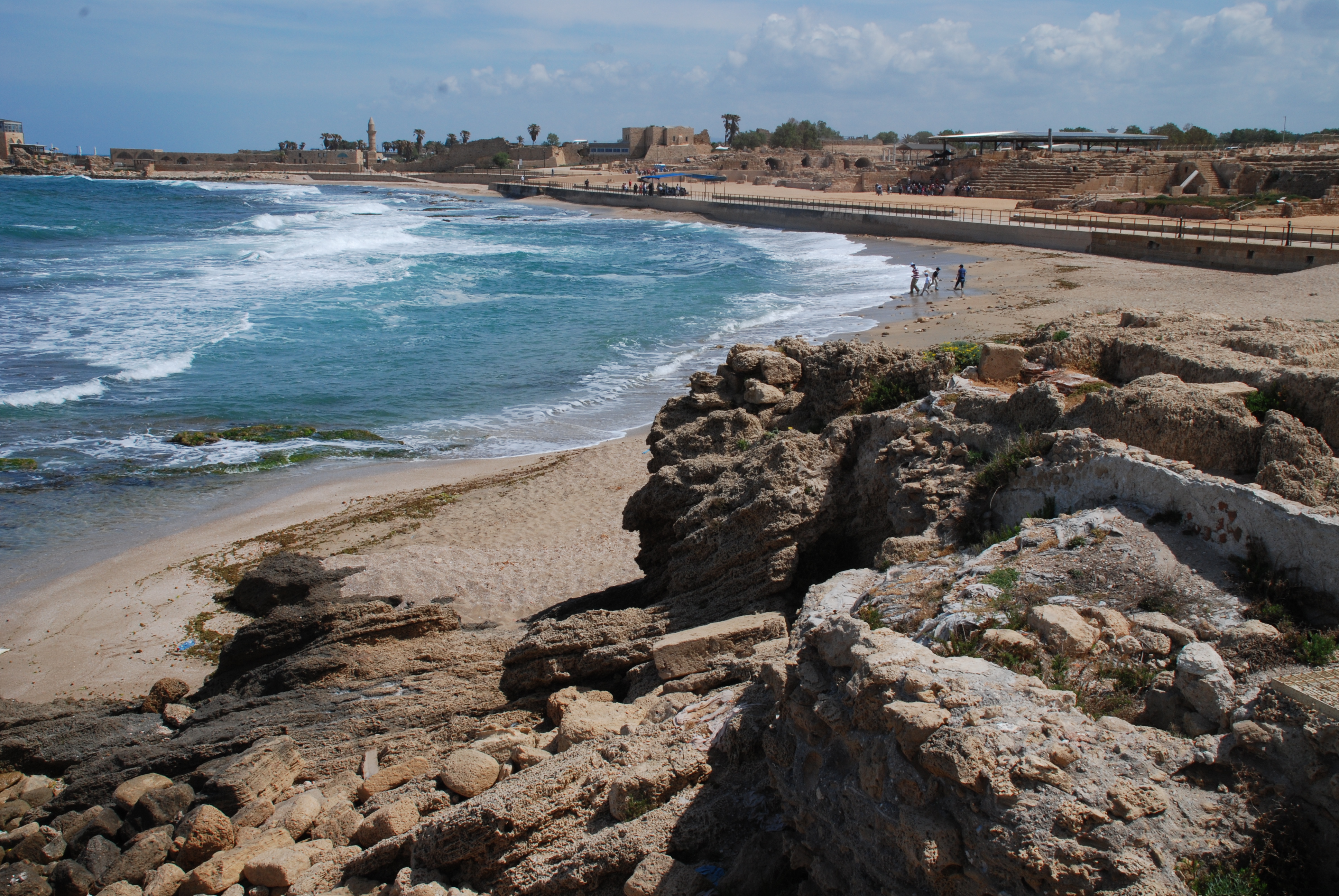
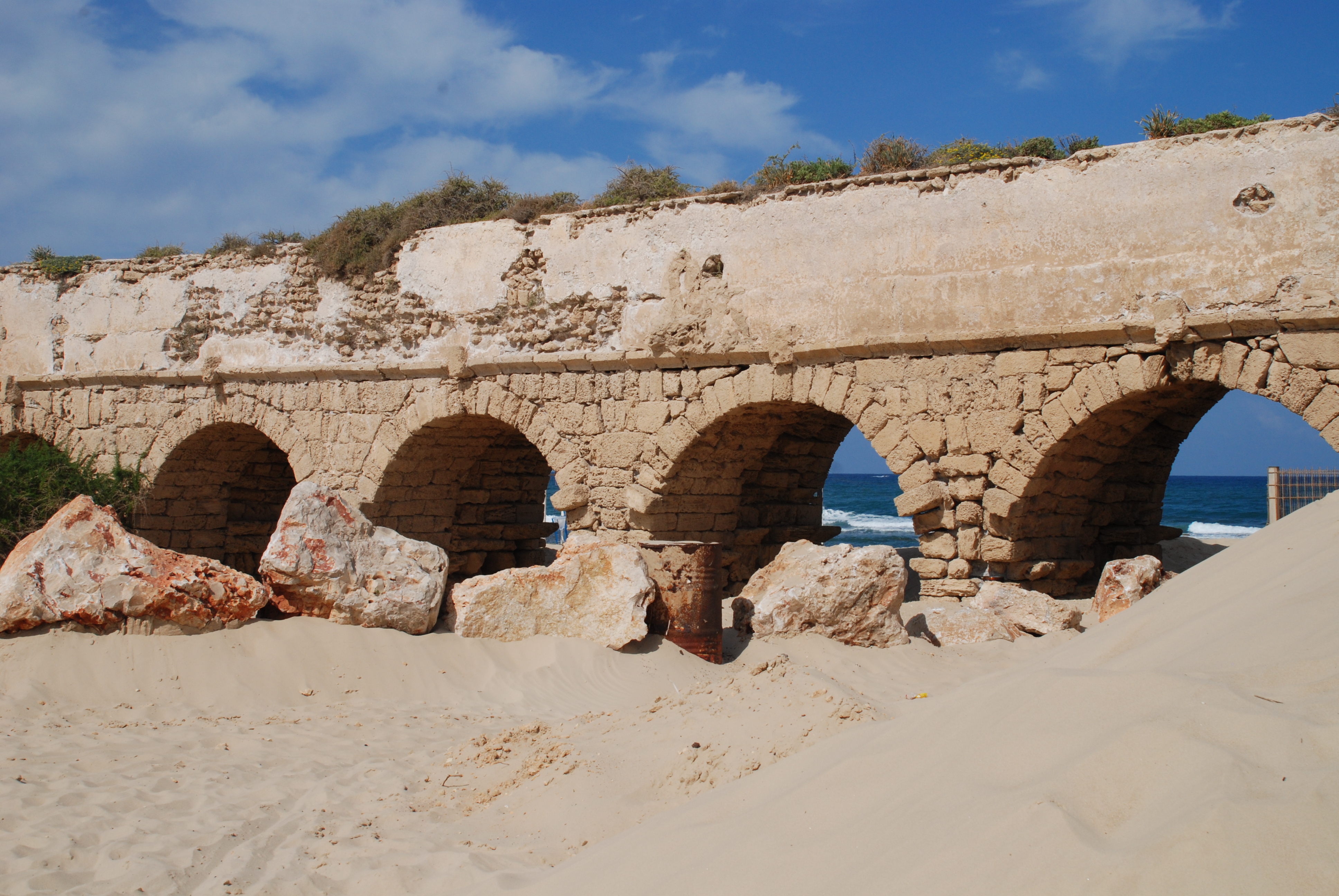
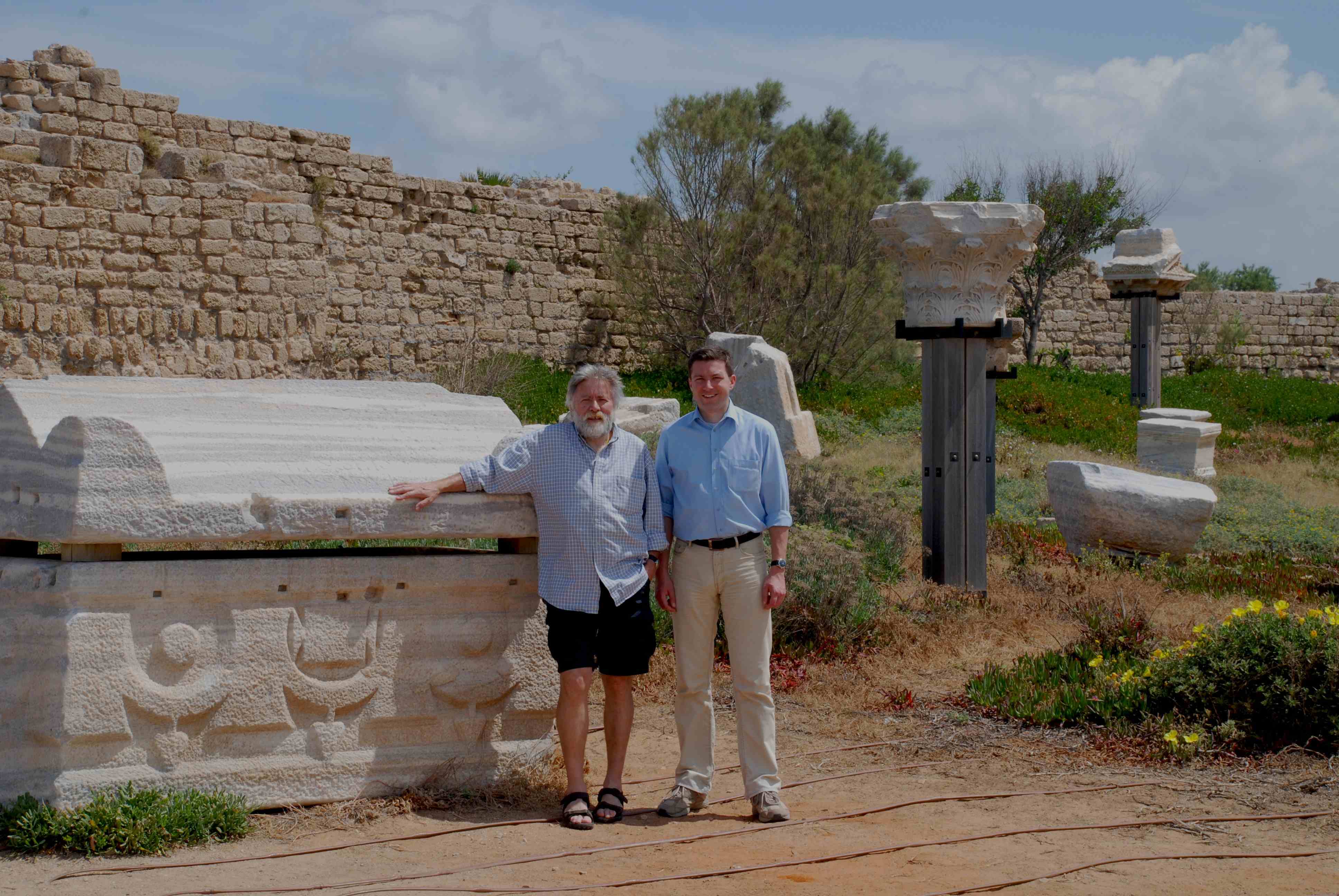
 We both like modern cities less than old cities and nature, so we decided not to spend any time in Tel Aviv and instead headed north along the Mediterranean coast to Caesarea. This is a port city built by Herod where excavations have been going over the past decades which have brought much of the old city to light. I remembered my first visit in 1992 and it was incredible how much more had been excavated in the meantime.

Afterwards we continued north, always along the coast, to Haifa. The third-largest city in Israel is home to the centre of the Bahai faith. After being exiled from Persia, the Bahai built themselves a nice little garden:
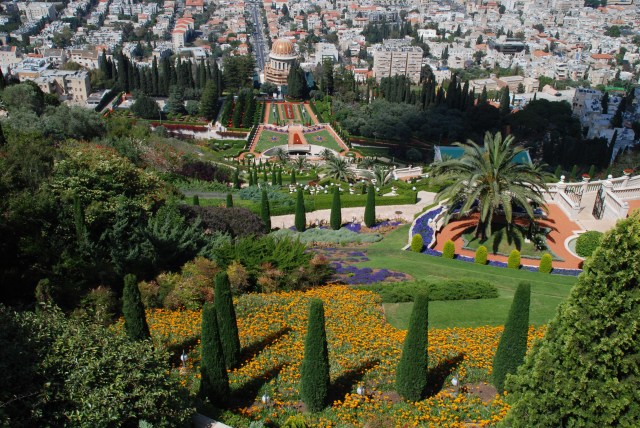
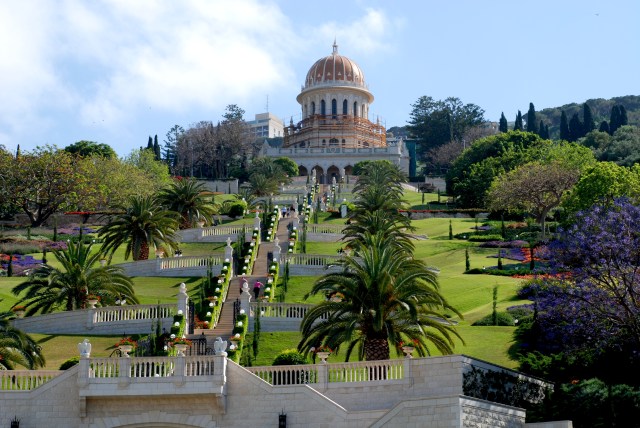 Unfortunately, it was 2 May and a holiday for the Bahai, so the garden and the temple were closed to the public. But usually they are open to visitors.
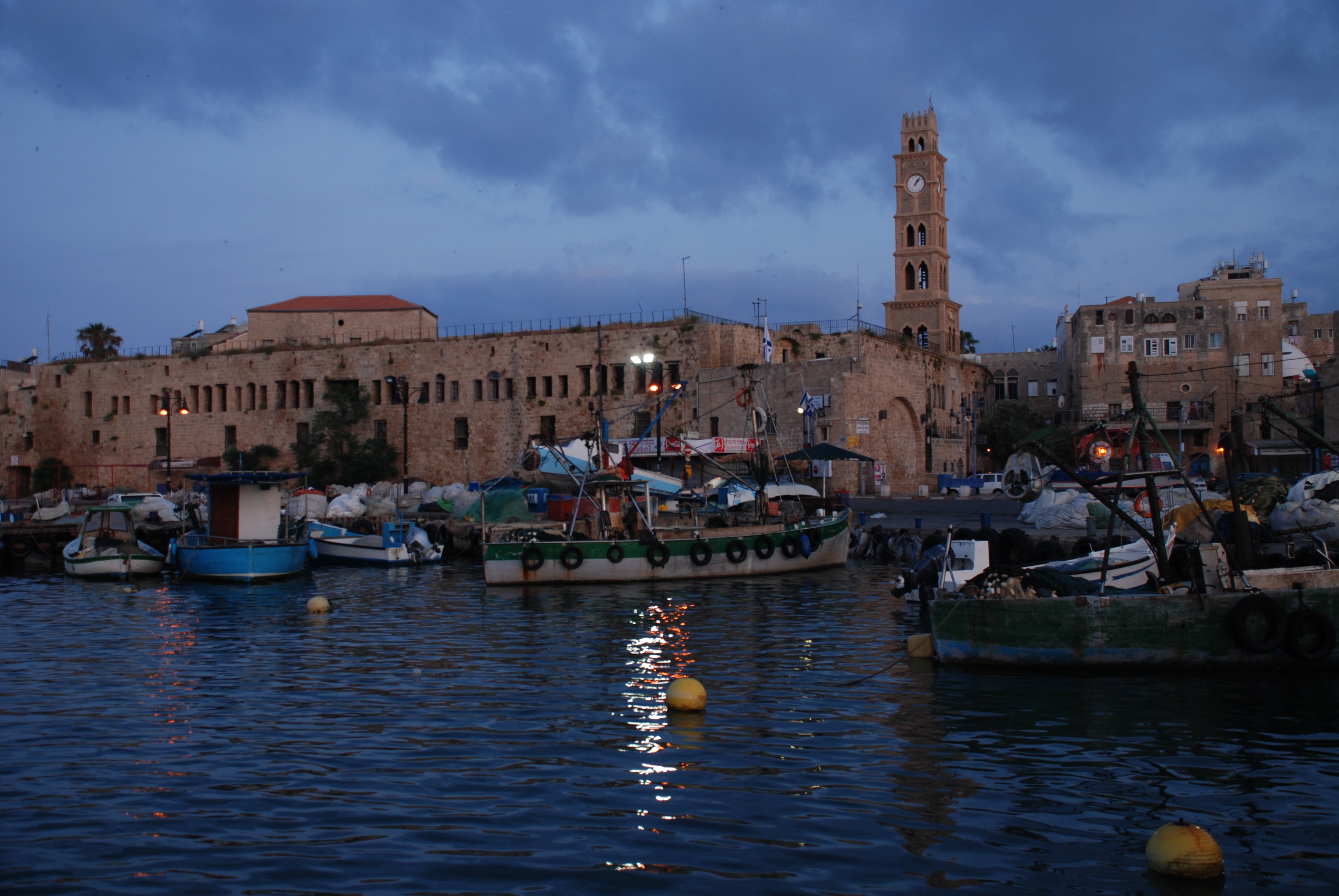
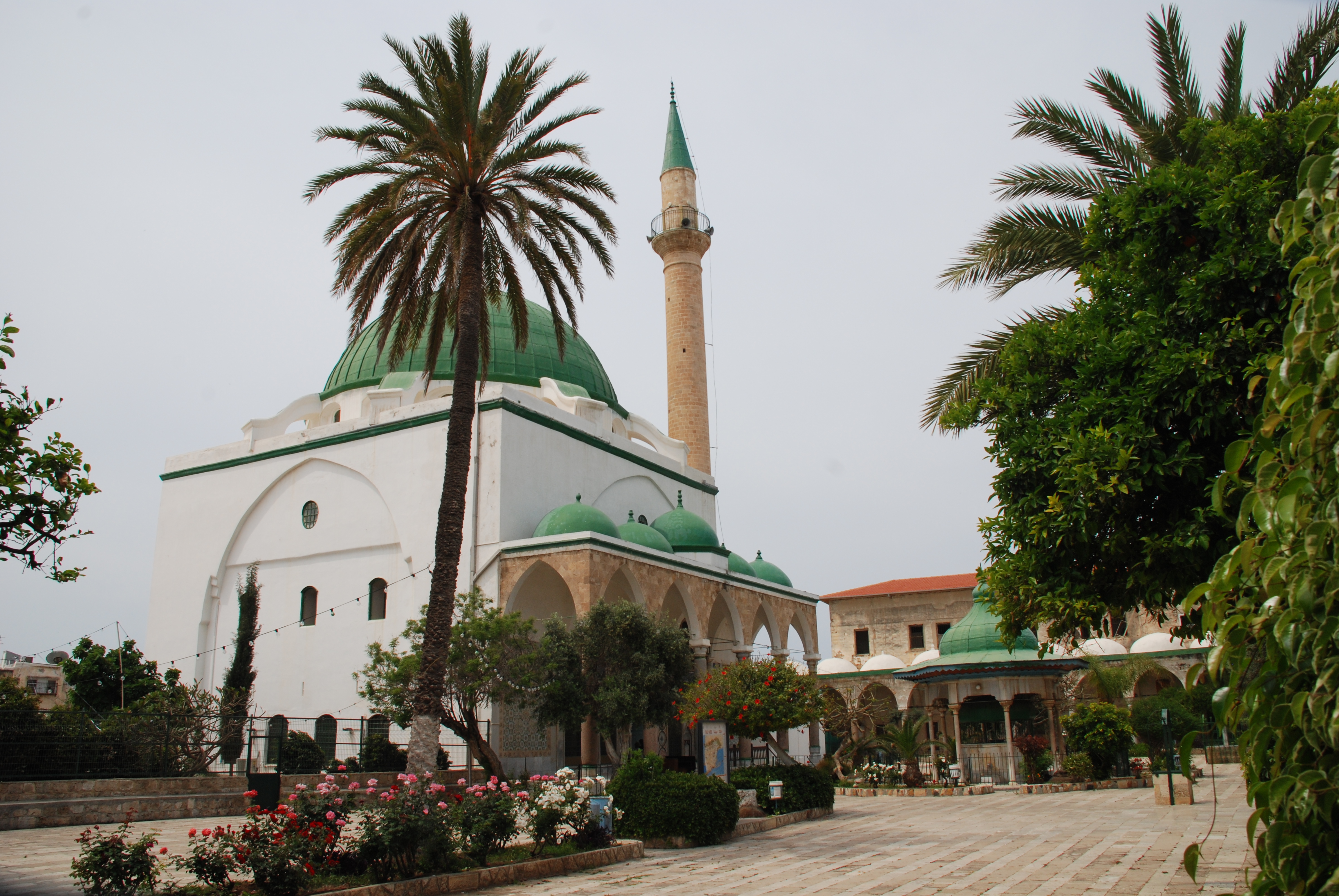
You’d think this was a lot for the first day, but we wanted to continue to Akko (Acre in English), a city which was the main port city for the Crusaders.
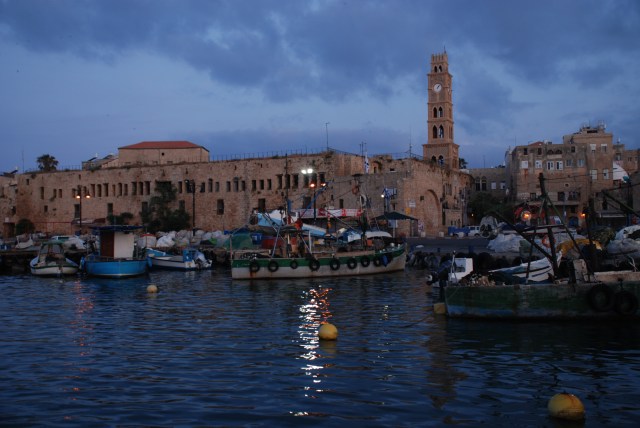 In Akko it was time to find a place to stay for the night. Because we didn’t know how far we would get every day, we never booked anything in advance. Being the frugal traveller that I am, I picked the cheapest place in the Lonely Planet guidebook and went to a hostel which really had nothing more than bare beds. I don’t even think there was a shower. My Dad was visibly shocked and asked if we could look around for something else. Luckily, we found a beautiful hotel which was built into the old fortification walls and which looked much nicer. It was good for my Dad to be spoilt that first night because we would still have to stay in some ramshackle places later during the tour.


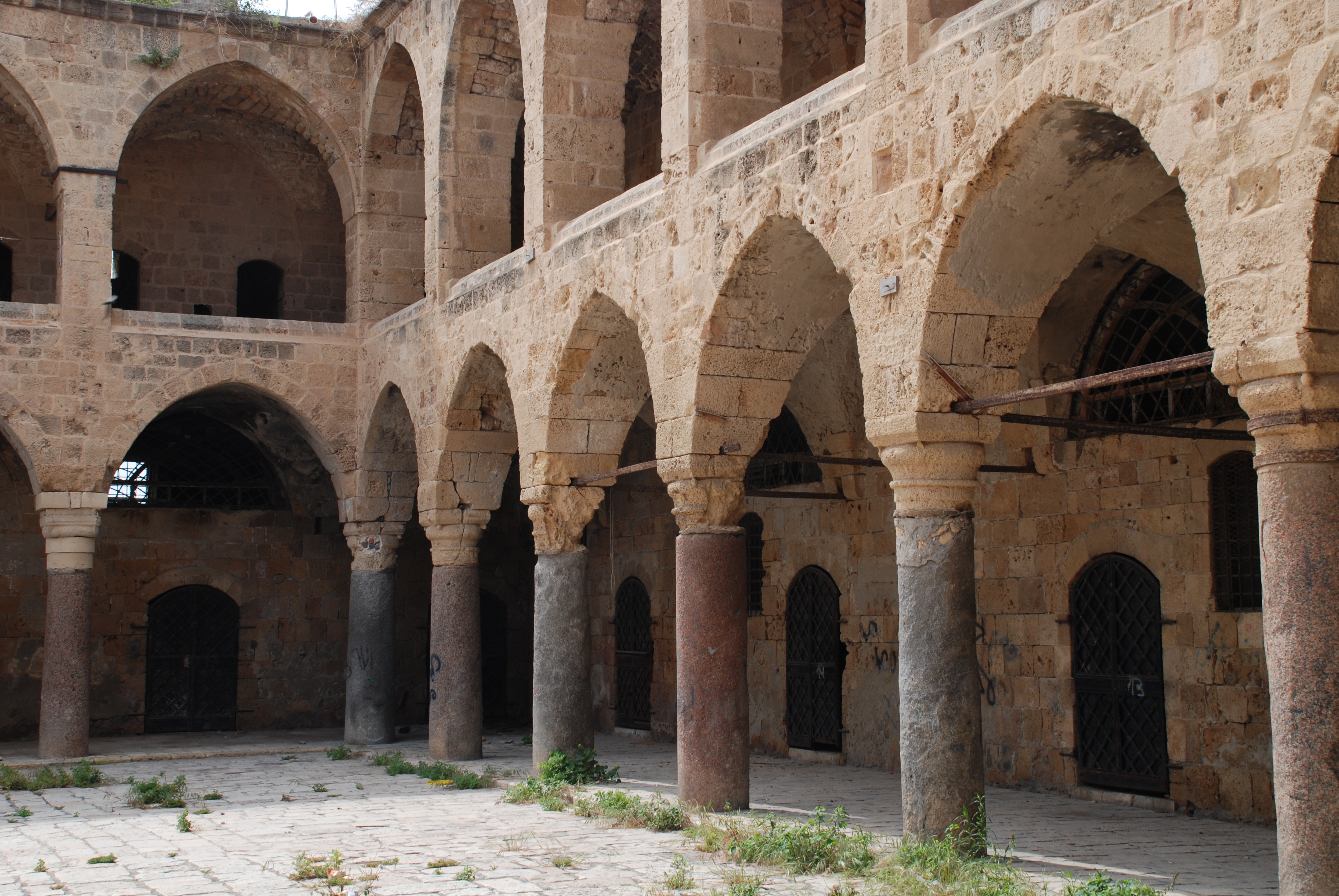
 One of the best things in Akko is actually underneath the city. The old Crusader town has been partially excavated, but because the archaeologists didn’t want (or weren’t allowed) to tear down the current city, the excavations happened below the street level. In Akko, you can go down some stairs and walk around the city as it was almost 1,000 years ago, knowing that above your head people are living and walking and driving.
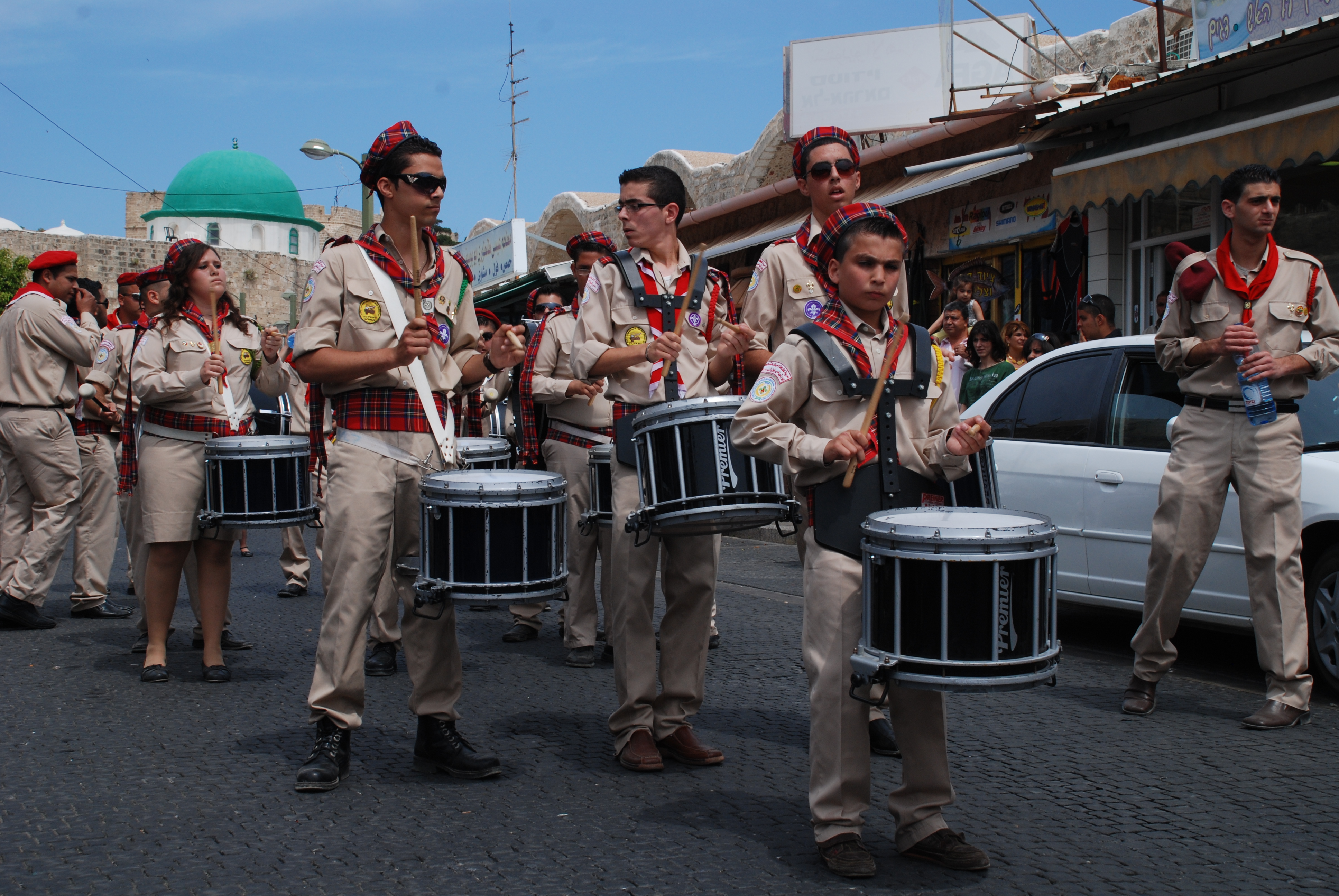
 When we came back up, we smelt the spices of the bazaar and we heard the sound of bagpipes.
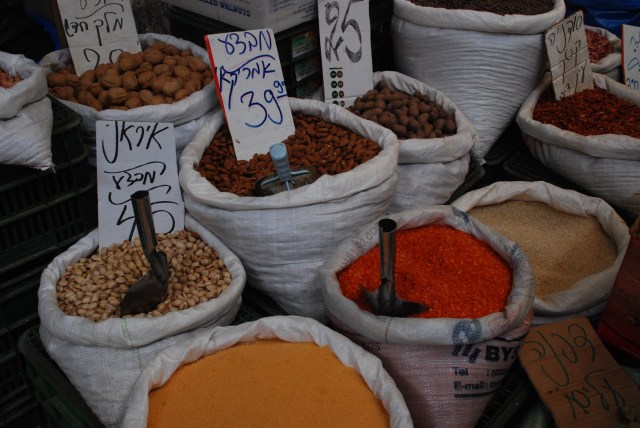
 It was quite a multi-cultural sight: Palestinian scouts marching through a city in Israel and playing Scottish music.
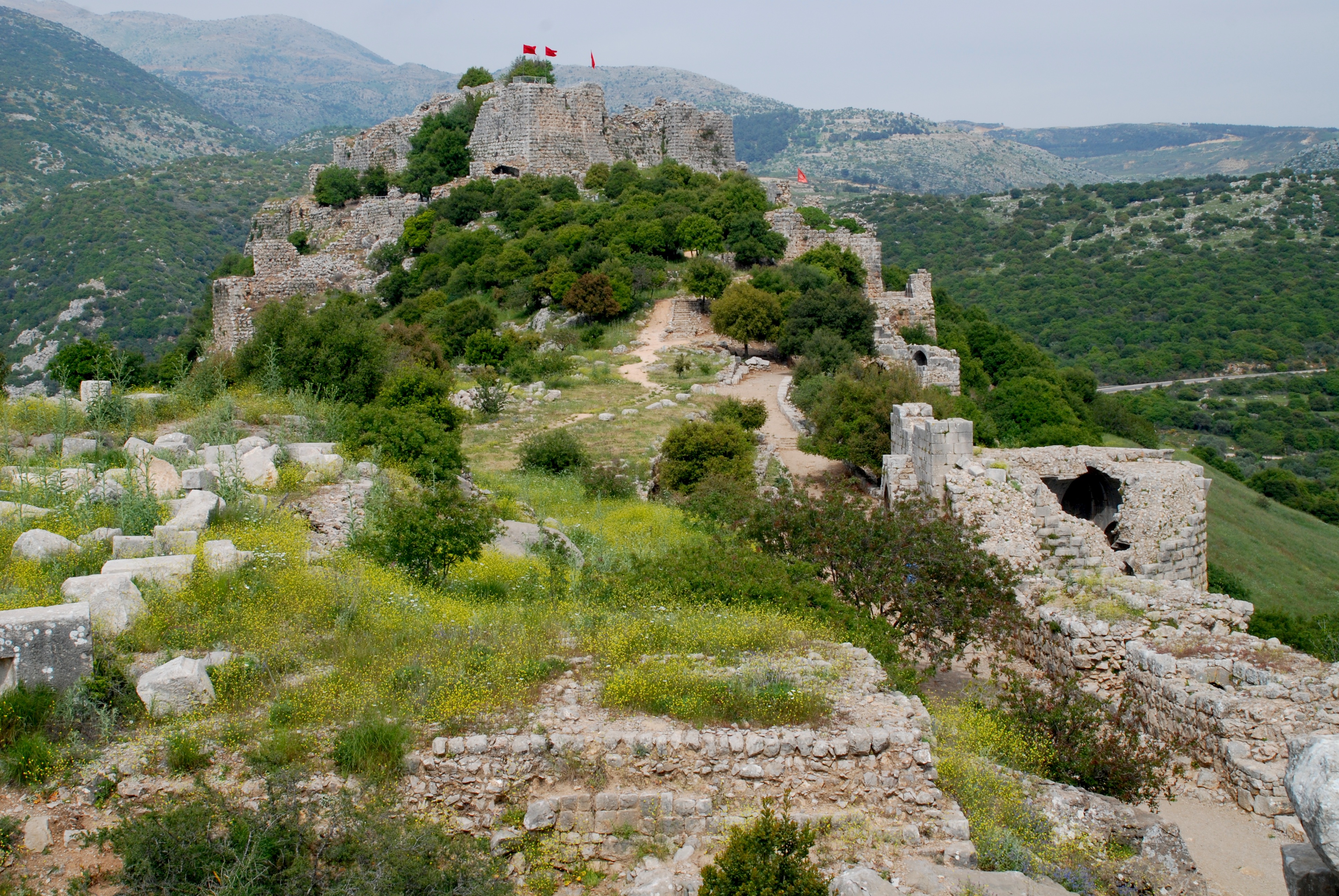
From Akko, we drove east, stopped for a picnic on Mount Tabor and continued driving north-east, always sticking to the Israeli-Lebanese border. We stopped at the Banias Nature Reserve and walked to the waterfall, which was very welcome in the heat. We went up to Nimrod Fortress which was built to stop the Crusaders from advancing eastward.
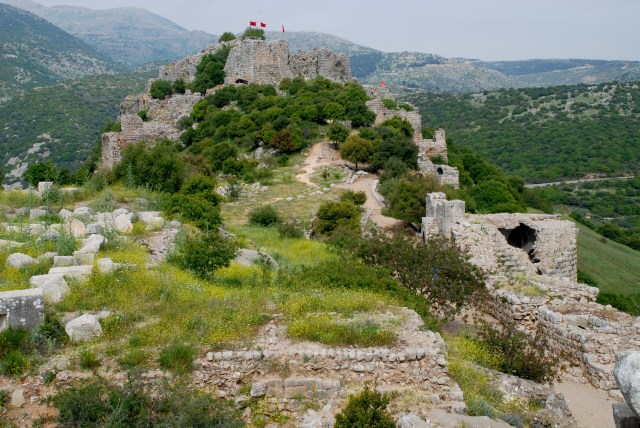
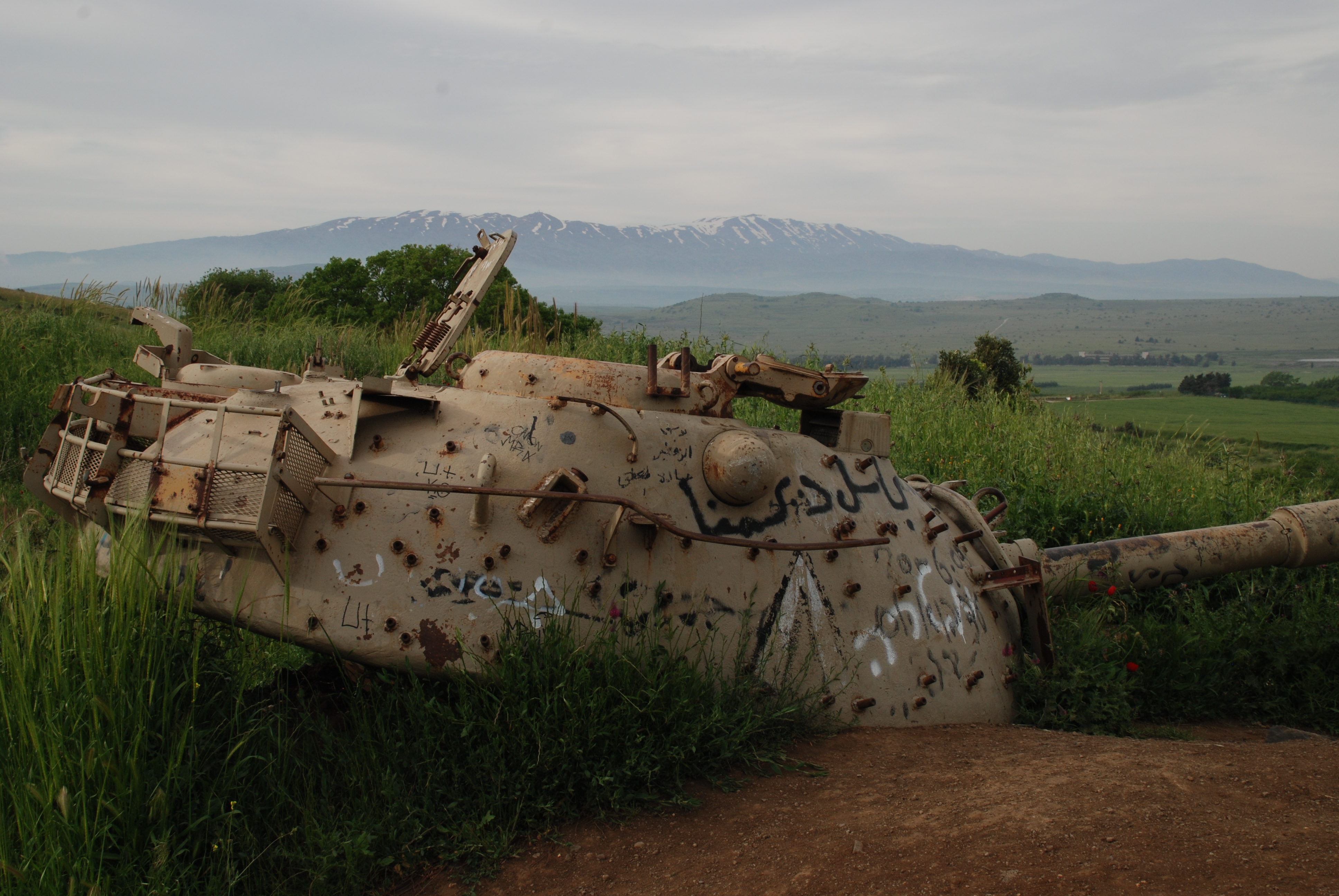
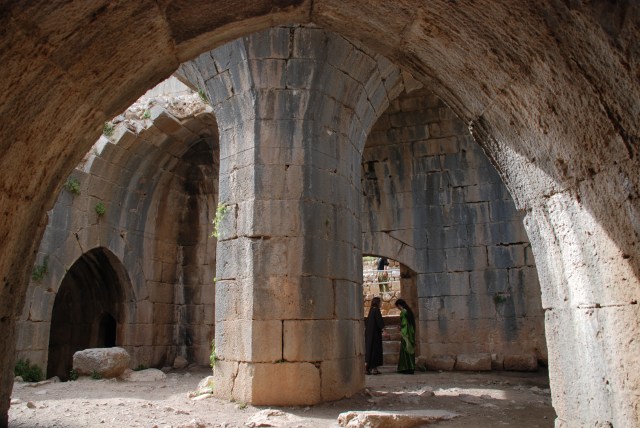 We were on the Golan and saw the reminders of past wars between Israel and Syria.


 From the Golan, we drove down to the Sea of Galilee (or Kinneret), where Jesus had once worked, if you want to call it work. It was getting dark fast and I thought we’d surely find a place to sleep in Tiberias. We even found a place before getting to Tiberias, in what looked like an abandoned kibbuz, where only one family lived and took care of what might once have been a thriving place. They rented out one of the rooms to us, we were the only guests.
My Dad had been trying all day to get some beer, but we had been unlucky because all of the supermarkets that we had visited in the North and on the Golan were apparently Muslim-run and did not sell any alcohol. When we had our depressingly sparse dinner of bread and cheese, my Dad asked me to ask the owners/managers for some beer. They had none, but the guy said we should come with him, he would take us to get some beer. We got into the car of the kibbuz-keeper who spent the whole ride on the phone. When we stopped, we saw why: he had called a friend who ran a restaurant which had already closed for the day, but he had gotten back to the restaurant and opened it up, just so that my Dad could get two bottles of beer. Amazing friendliness and helpfulness.
The next morning we visited the religious sites around Capernaum.
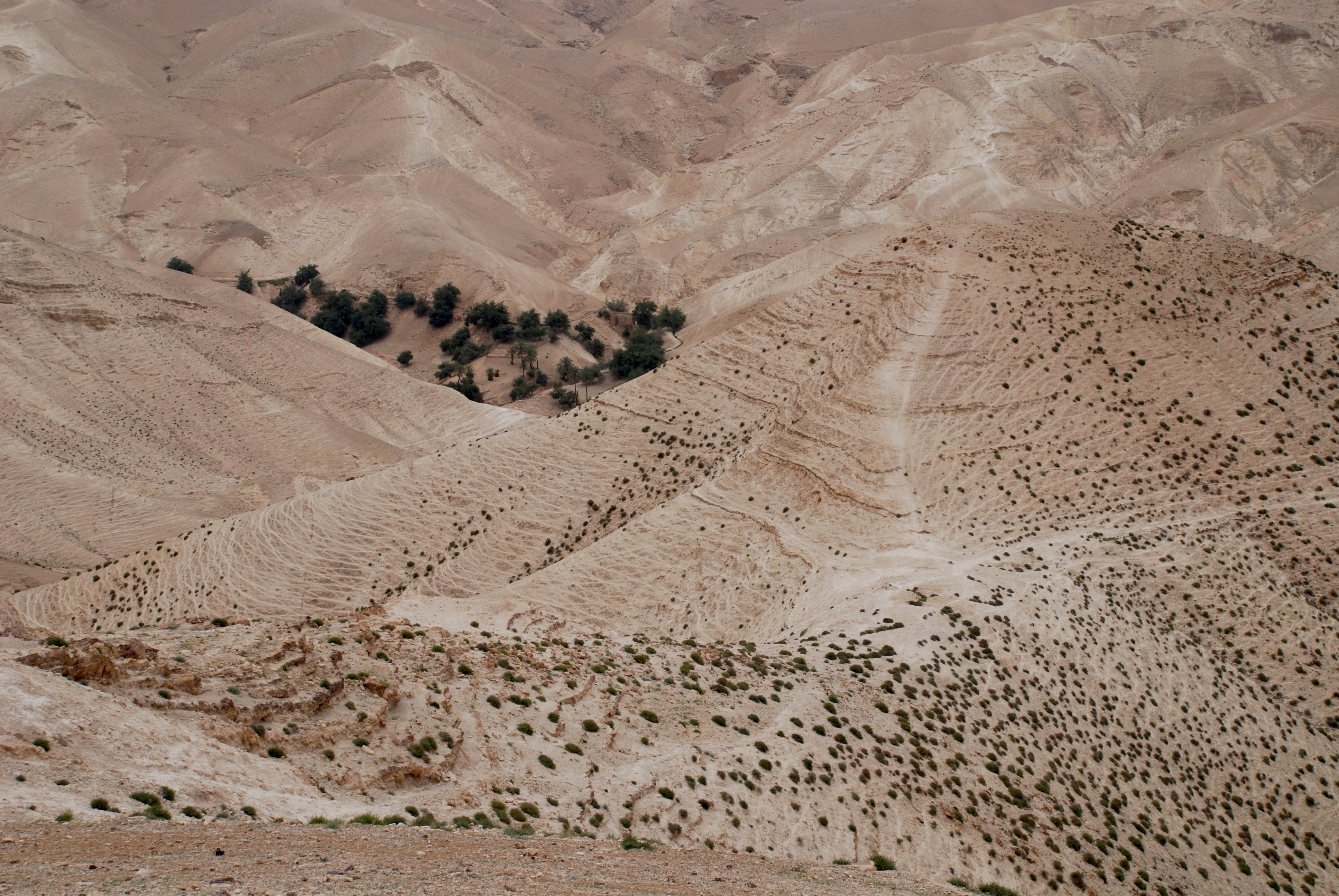
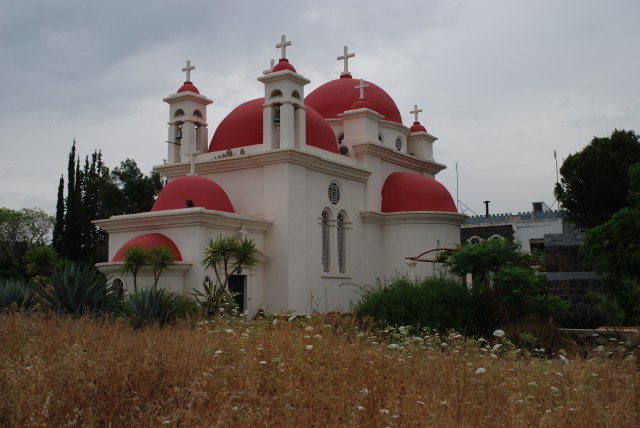 When it was time to continue our journey towards Jerusalem, I explained to my Dad that we had two options: (a) take a detour to stay in Israel or (b) drive straight down the Jordan valley through the Palestinian West Bank. To my surprise, my Dad didn’t hesitate to choose the second option.
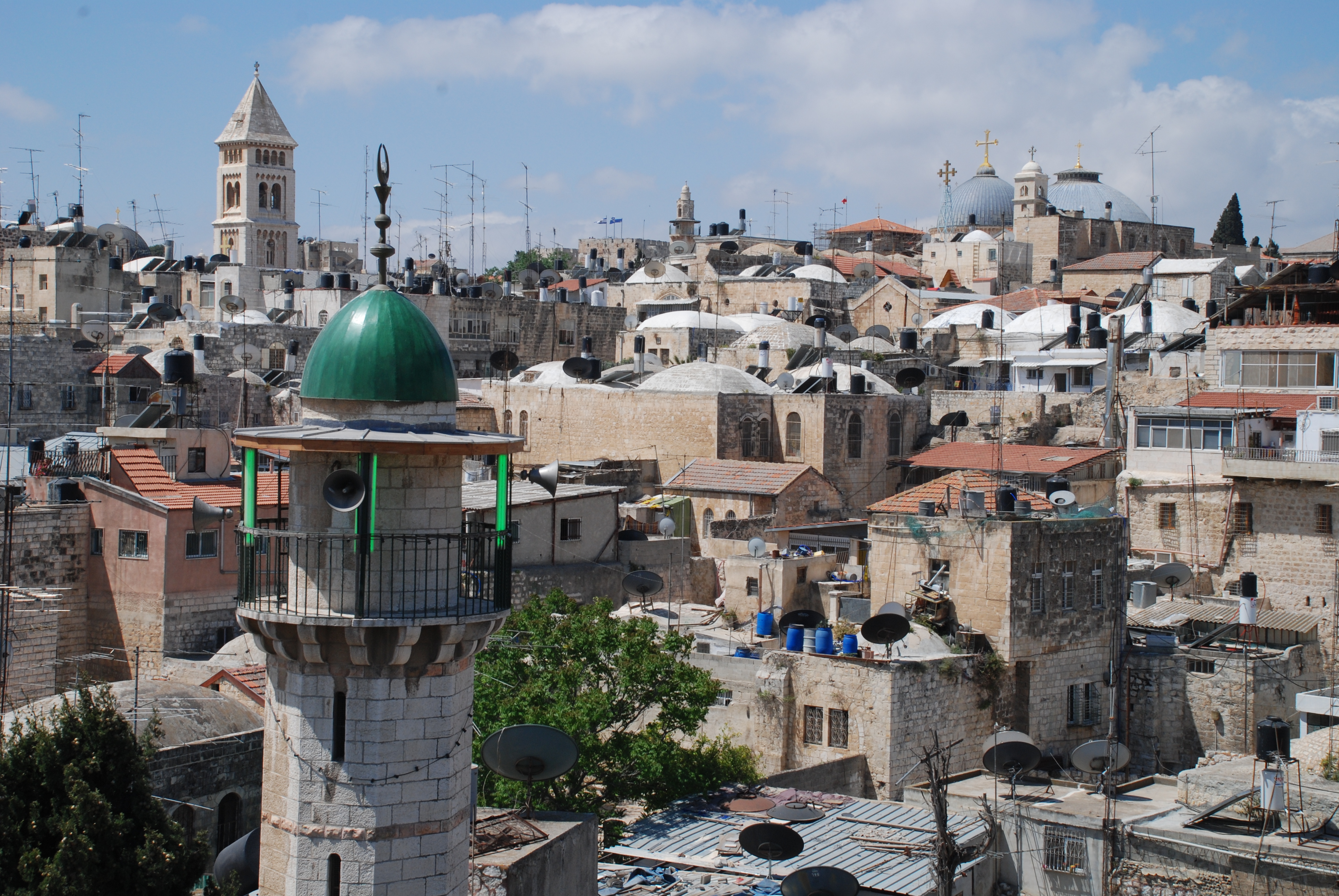
And thus we got to Jerusalem. What can I say? More books have been written about this city than anyone can ever read. Just that much: I have travelled a lot, but Jerusalem is the most fascinating city in the world. As regular readers of my blog will know, I am a radical atheist. Yet even I am fascinated when I see the pilgrims of the many different faiths and denominations flocking to Jerusalem, when I see the assortment of churches, mosques, synagogues, temples and shrines and when I hear prayers in Arabic, Latin, Greek, Hebrew and even Aramaic.


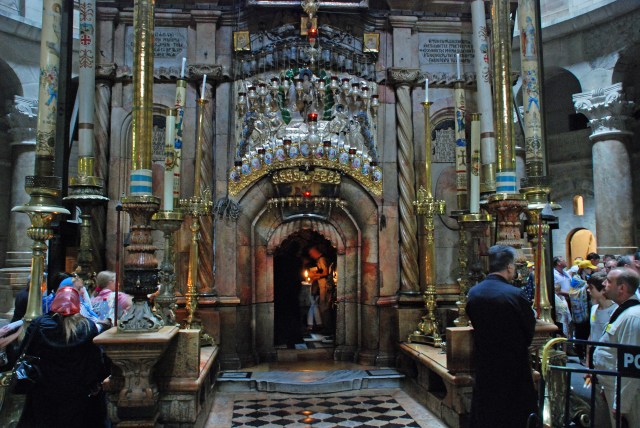
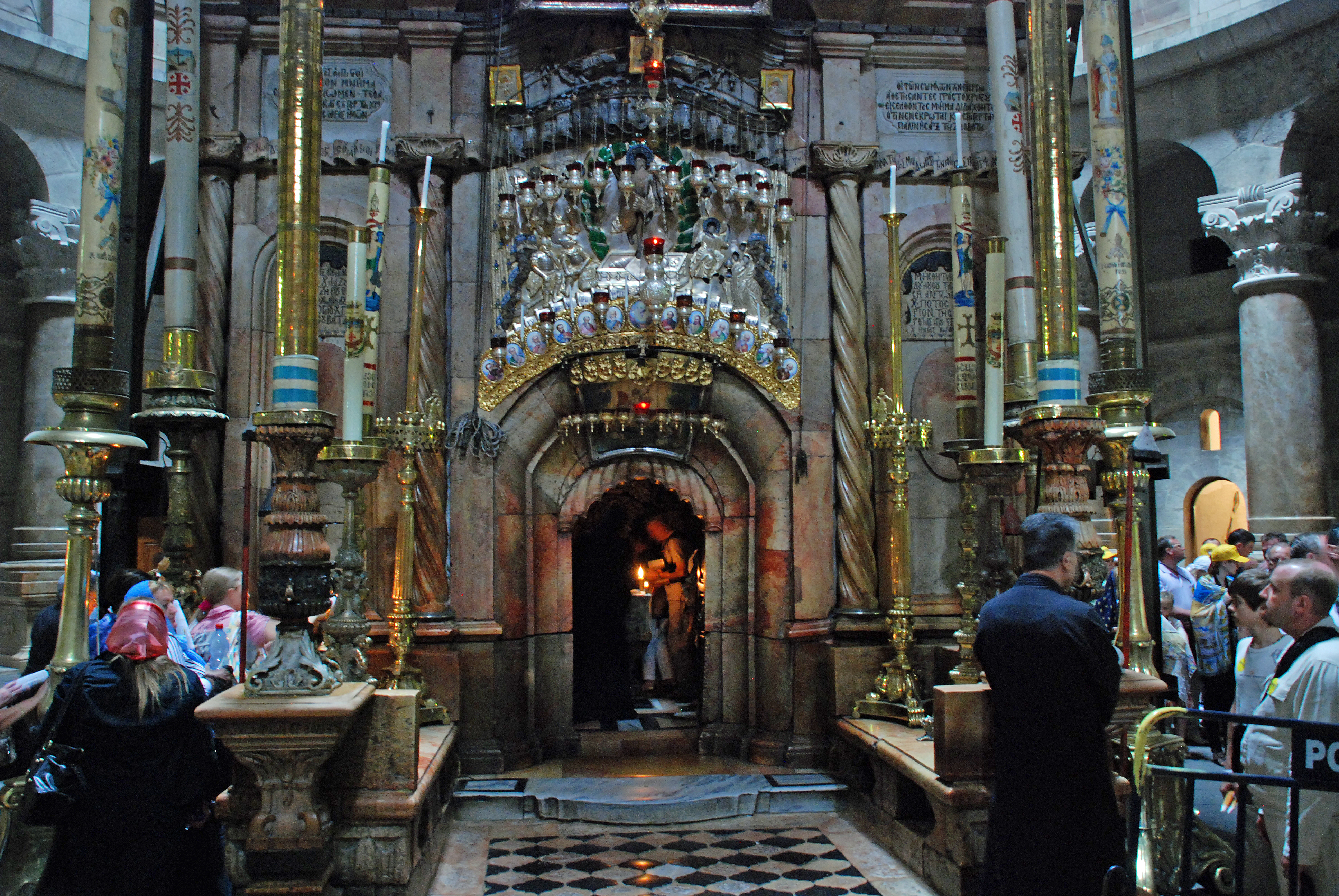
The following photo shows the alleged burial site of Jesus, Golgotha. It is now the Church of the Holy Sepulchre, which you should not miss, even if you are not into religion at all. It consists of many smaller chapels, each of them belonging to a different Christian denomination. There are small corridors hewn into the rock and you can climb down several levels below the ground, where you may find some monks huddled around a candle.

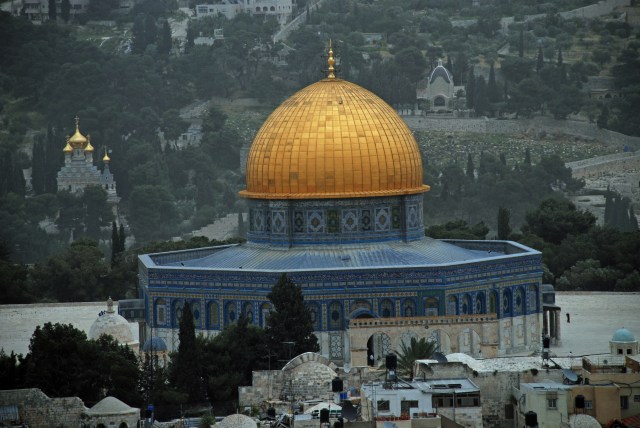
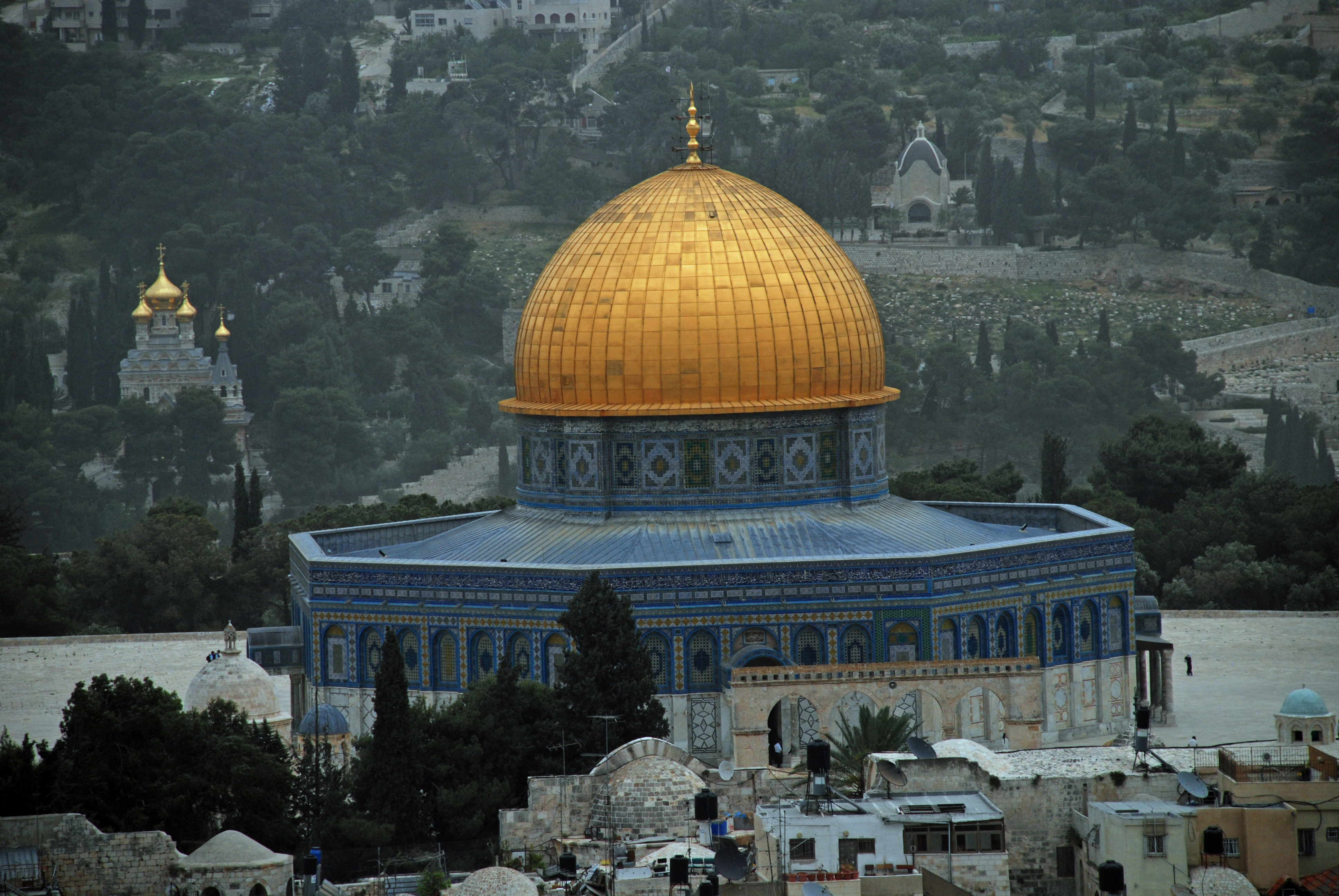
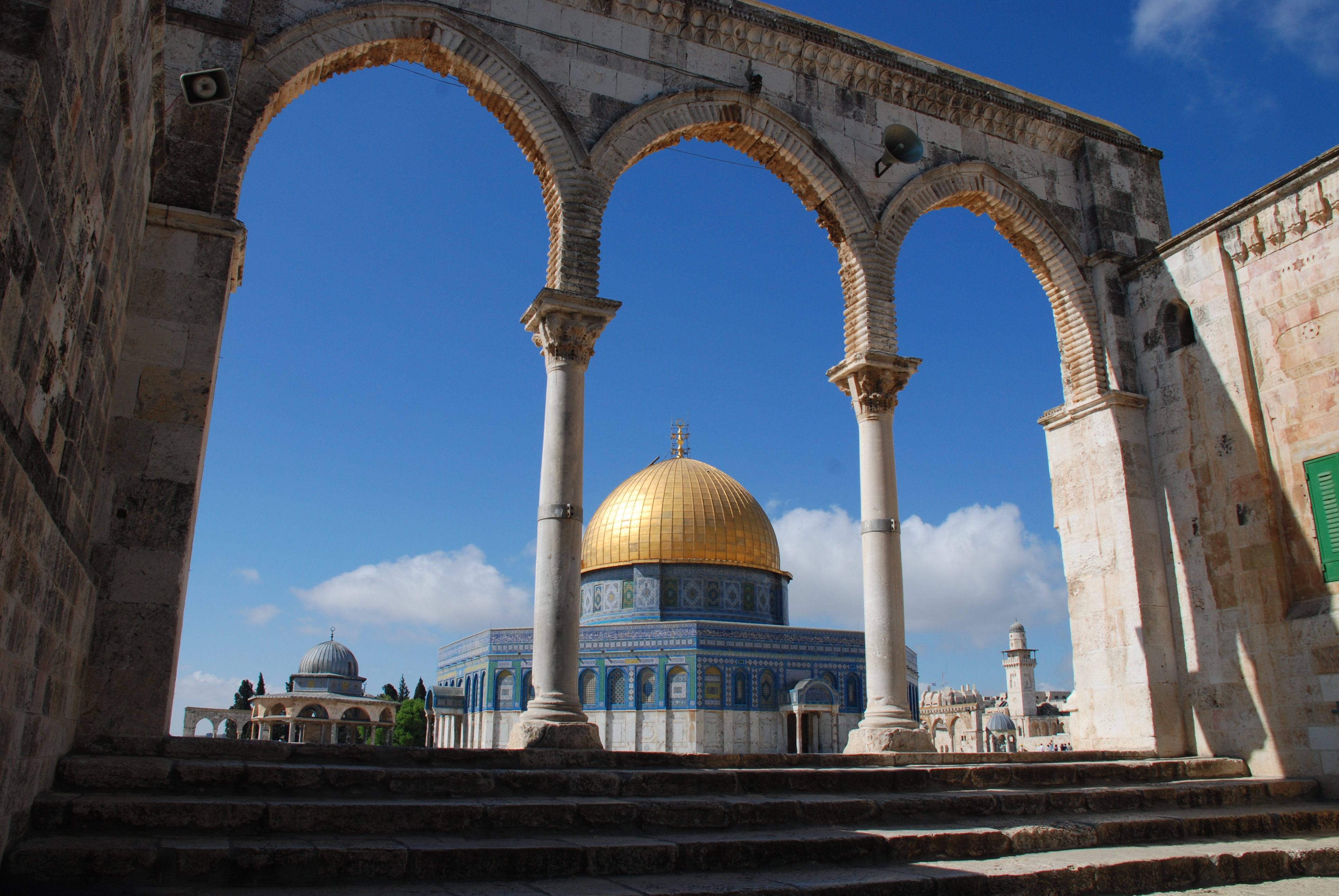
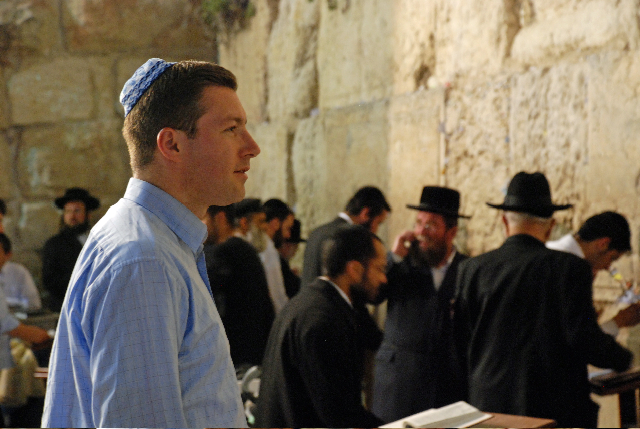 You may be surprised that I present such a medley of photos of places of Jewish, Christian and Muslim worship, but that is how Jerusalem is. The Western Wall (or Wailing Wall) for example is one of the walls of the Temple Mount which is home to the Dome of the Rock (the one with the golden dome) and the Al-Aqsa Mosque. And all around are Catholic, Protestant, Orthodox, Armenian and dozens of other churches.
Now, if Jerusalem is the most fascinating city during daytime, imagine what it is like at night.
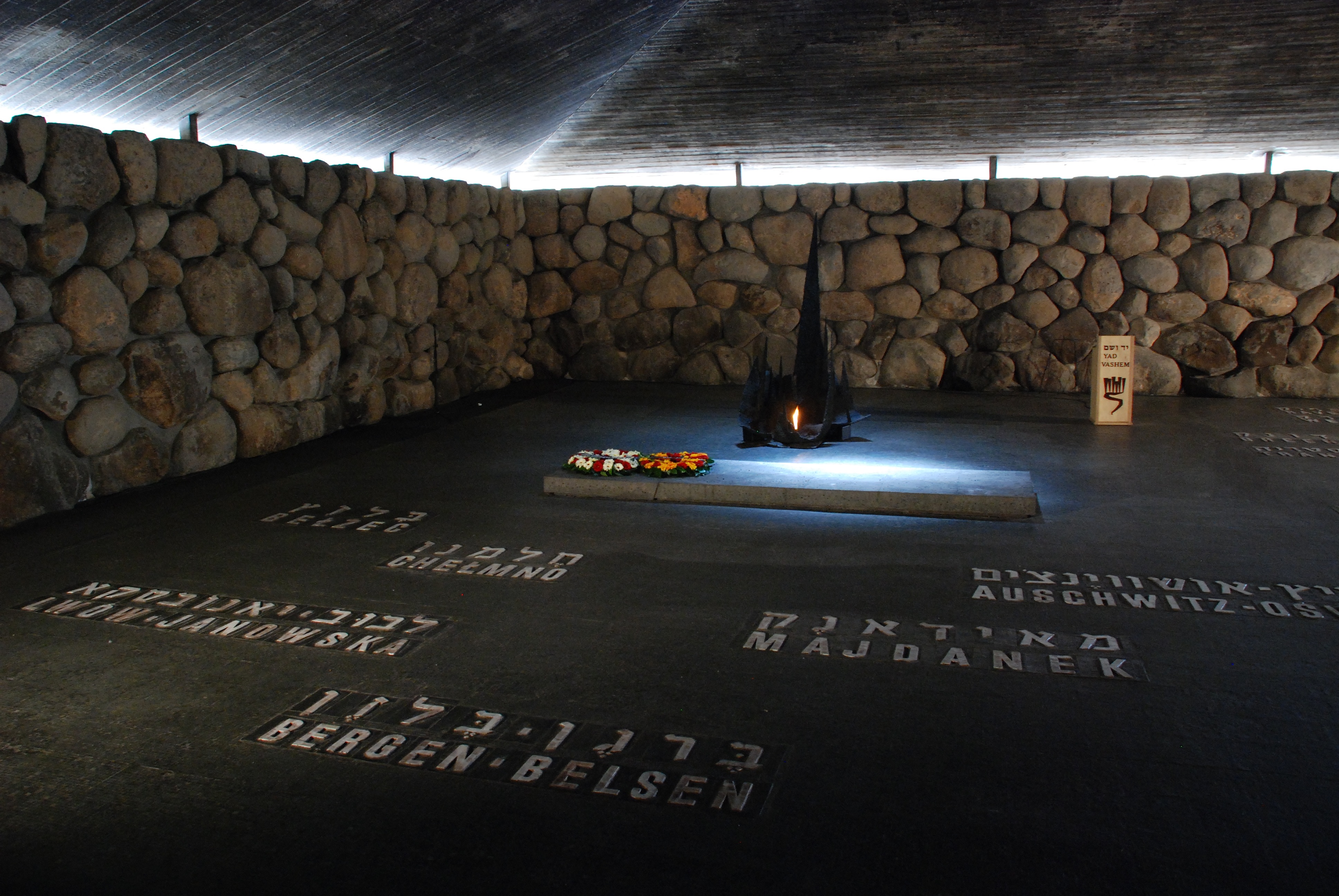
 The next day we visited Yad Vashem, the Holocaust memorial site which is much more than a memorial. It is also an educating and informative museum and a research centre about the Holocaust. But above all, it is a place which makes one doubt that mankind is the pride of creation.

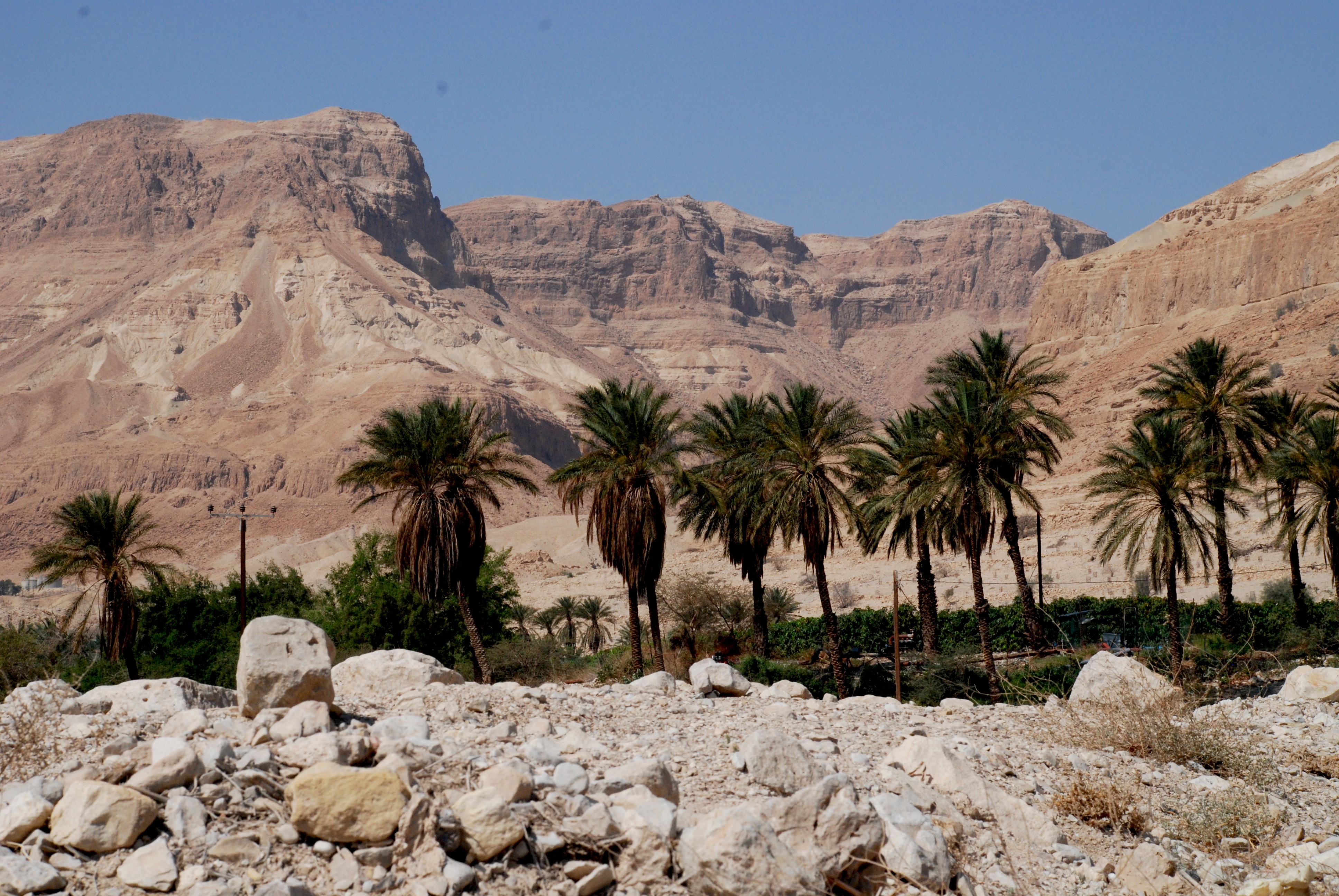
 In somber mood we left Jerusalem and went south, to the Dead Sea, at 423 meters below sea level the lowest point on Earth. Sadly, the Dead Sea is really dying and it’s dying fast. Every time I get there, the water has receded from the shore a few more meters. I am worried that it might disappear completely in my lifetime.
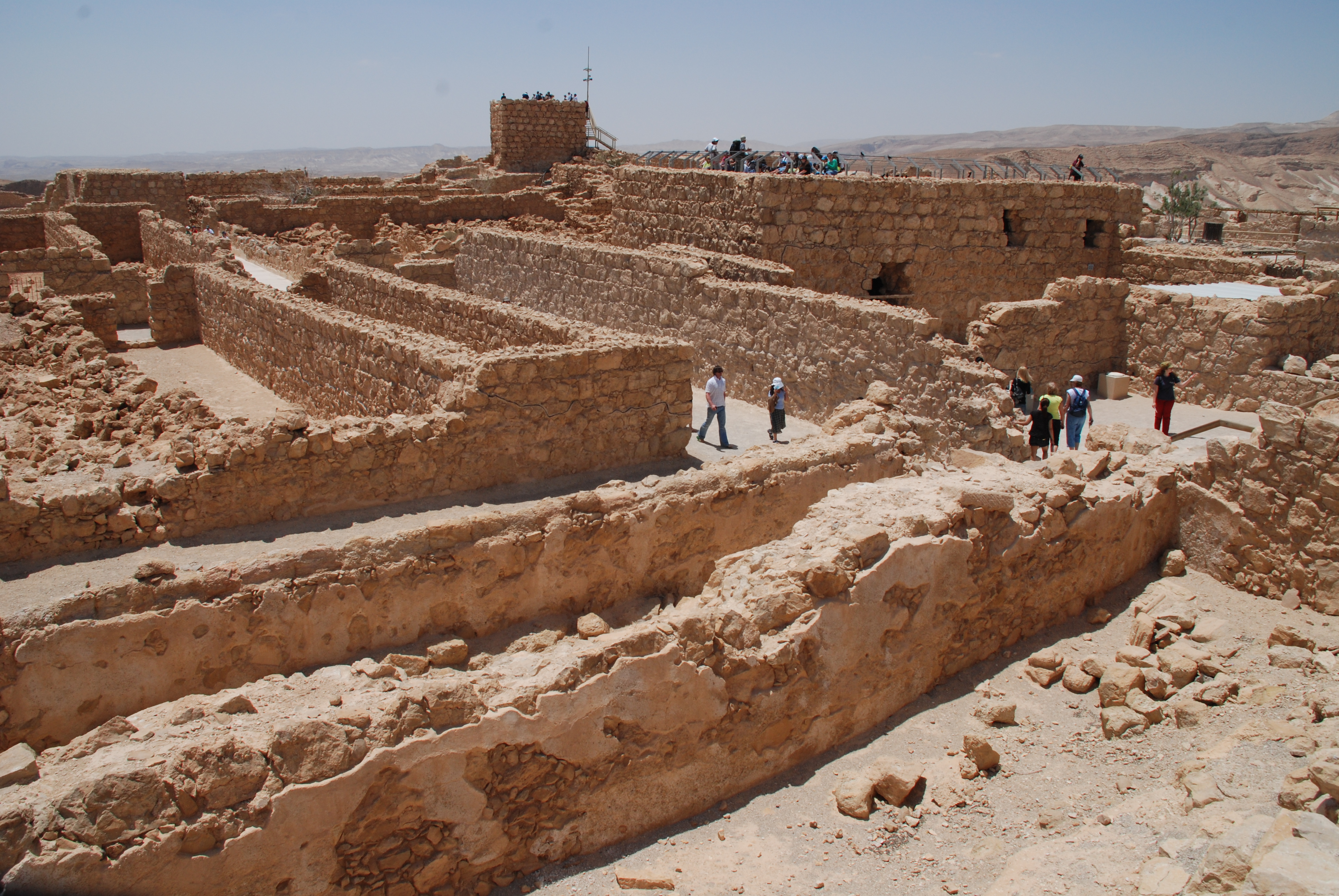
One of the most imposing sights around the Dead Sea is Masada, a fortification on a plateau overlooking the Dead Sea and the desert. Herod built a palace there and Masada was the site of a long Roman siege against Jews holding out after the destruction of the Second Temple in the year 70.

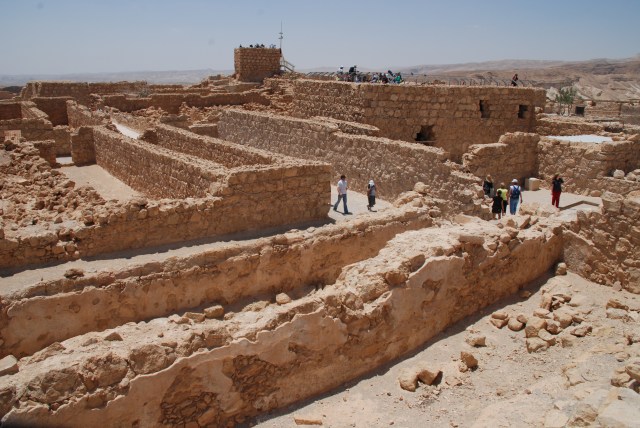 I would usually walk up the “snake path”, but with my Dad, I took the cable car which goes all the way to the top. If you visit Masada, take a few litres of water with you, you will need them in the glaring heat and in the absence of any shade. Luckily, after climbing Masada, you can go to nearby Ein Gedi, a beautiful nature reserves with several water falls and pools. And yes, you can jump into the water and enjoy this oasis in the desert.
We then drove through the Negev desert, but due to lack of time did not go all the way to Eilat and the Red Sea. I was driving around the desert, looking for Timna, but to my disgrace was unable to find it. We did however find a young Israeli couple who had just finished their barbecue in the desert and who gave us all the grilled sausages and the bread they had left. Very generous!
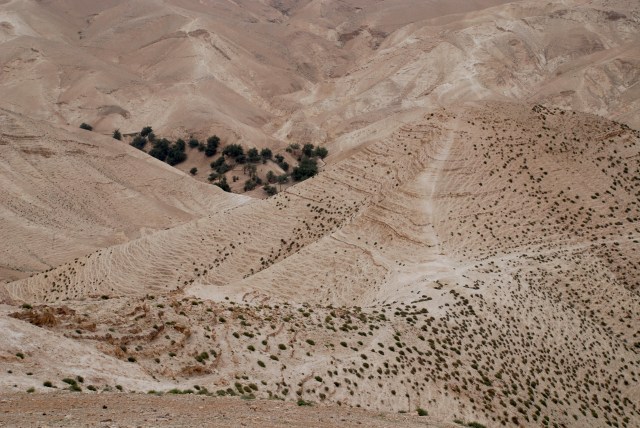
 From the Negev, we made our way back west and north, along the border to the Gaza Strip. This is where my Dad and me had the only disagreement, because it had gotten dark and I wanted to take him to a watchtower right on the border to Gaza from where one could see across the Gaza Strip. When it seemed that I was not absolutely sure where it was, my Dad thought that it was a stupid idea to get lost in an area where rockets rained down regularly, so we proceeded to Ashkelon where we stayed in a remarkably run-down hotel.
The next day we were due for a reception in Modi’in, a district in central Israel with which our home village of Ammerthal has a long-standing municipal partnership, at the heart of which is the youth exchange programme which I participated in and led so many times. It was great to see many precious friends and to enjoy a typical Israeli gathering with lots of food, music and some speeches in the garden. The heart-warming memories still put a smile on my face now and make me miss my friends in Israel.
For my father and me, this was the trip of a lifetime. And to all those who are putting off travelling to Israel for safety or security concerns: ask yourself if you really want to be more scared than a 65-year old man from a village in Bavaria who had never been to the Middle East before. Don’t be worried, book that flight!
(Zur deutschen Fassung dieses Berichts.)


 In winter, you can even have a snowball fight on the way.
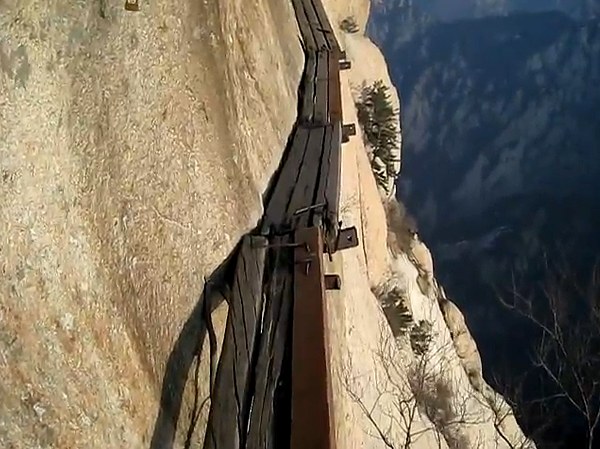
 Never ever in my life would I even get close to this plank path. I will rather take a long detour, even if it will take days.




















 The Happy Hermit