
Trains in Romania don’t need air condition. They simply leave the doors open during the journey.


Because of the slow speed, this enables you to get off wherever you want, without the train having to stop. Very practical.
Trains in Romania don’t need air condition. They simply leave the doors open during the journey.
Because of the slow speed, this enables you to get off wherever you want, without the train having to stop. Very practical.
Yes, there is a day for EVERYTHING. And today, it’s International Kissing Day.
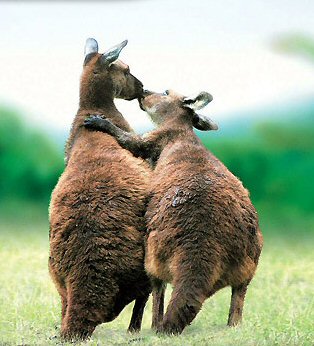 I’d like to draw your attention to some countries where kissing in public is still a crime and is being actively prosecuted: Dubai, Singapore, India, Iran, Indonesia.
But now, more importantly, International Kissing Day coincides with the other big event happening every year on 6 July: MY BIRTHDAY.
Because kissing is not an option due to distance, or would be inappropriate or might not even be appreciated by me, depending on who you are (:P), you will have to opt for sending me a book, cigars or a cake as a present instead. Thank you very much in advance already!
The most practical use offered by mosques is that they are a place of silence. Weary travellers may even use them to take a nap.
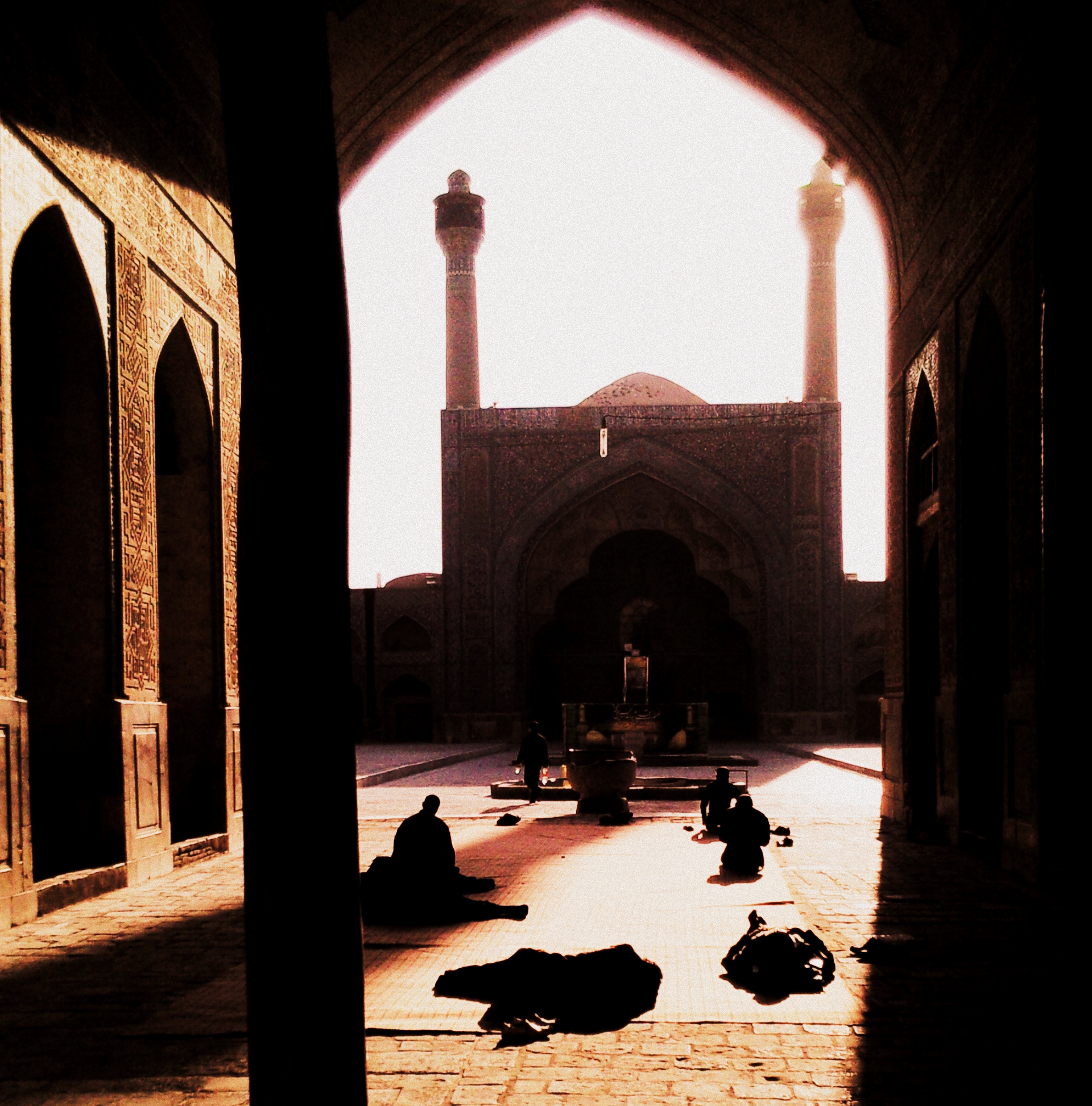 I took this photo on my first trip to Iran in 2008/2009. This is Jameh Mosque in Isfahan, one of the oldest and at the same time one of the largest mosques in Iran. It is an enormous complex which invites you to spend hours strolling through the column-adorned rooms or across the courtyard with its water basins.
The most comfortable mosque I ever found for taking a rest was in Syria: Umayyad Mosque in Damascus which is lavishly equipped with carpets and comfortable pillows. Unfortunately I didn’t have a camera with me back then. And who knows if the mosque will still be standing next time I will be in Syria.
Bank holiday in Britain:

Bank holiday in Greece:

If you want to know what the rail system in Romania is like, you only need to walk to the train station in Târgu Mureș.
You will recognize it by this sign: a panel of wood from an old crate, on which someone hand-painted the logo of the Romanian state railway CFR.

It is attached to an old warehouse next to the tracks. Tickets are sold in a small room which is adorned by two maps, on which Yugoslavia and the Soviet Union still exist.

If you think that this is some little village station, you are wrong. Târgu Mureș is the 16th-largest city in Romania after all, and there are direct trains from here to Budapest and Bucharest. The equivalent would be if the train station in Fort Worth, Texas or in Bournemouth in England had only a hand-painted sign creaking in the wind.
Whenever I tell people in Romania that I love taking the train, they look at me as if I am crazy. But the trains are punctual, cheap and they offer wonderful views of the countryside. It would just be nice if there were more of them. And at an average speed of 30 mph, you need to bring a lot of time (and books) with you.
My birthday will be on 6 July. Strictly mathematically speaking, I will turn 40 then.
Searching for a way to postpone this event or to prevent it altogether, an ingenious solution came to my mind, thanks to my legal education, my specialization in international public law and my creativity: The 40th anniversary of my date of birth will be legally irrelevant if it will occur in a state that isn’t recognized by anyone in the world. This is the legal equivalent to the biological solution of freezing (now you understand why we talk of “frozen conflicts”).
From my current residence in Romania, it’s not even that far to the next unrecognized state. It only takes a high-speed train journey through the Republic of Moldova, and I will be in the Pridnestrovian Moldavian Republic, also known as Transnistria outside of the country.
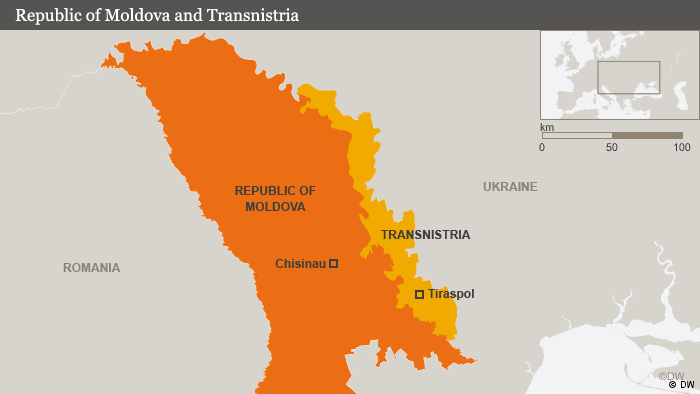 Very brief and simplified: When the Soviet Union was in its final stages in 1990, Transnistria declared its independence from Moldova, one of the former Soviet Republics, with the goal of becoming a Soviet Republic of its own within the USSR. In August 1991 the Soviet Union’s break-up could no longer be halted. Moldova declared its independence from the Soviet Union, Transnistria declared its independence from both. With the support of Romania, the Moldovan military tried to conquer Transnistria in 1992. Because the border between both territories runs pretty much along the Dnestr river (which gives its name to the secessionist part), Transnistria was relatively easy to defend. After 5 months of war and about 1,000 dead there was a ceasefire; the border hadn’t really changed much.
And that’s how it remains, even 23 years later. Moldova doesn’t officially recognize Transnistria’s independence, but makes no attempts to conquer it militarily. Transnistria is in actuality independent, with all the characteristics of a state. In 2014 the territory applied to become part of Russia, but hasn’t received an answer yet. Russian troops would already be in the country, practically or threateningly – depending on your point of view – on the Western border of Ukraine, because they somehow forgot to withdraw after the dissolution of the Soviet Union.
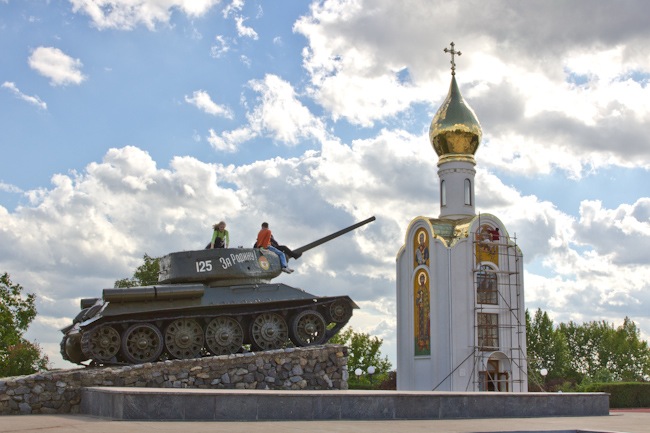
Since then Transnistria is known as the state that most resembles the Soviet Union. Hammer and sickle adorn the flag, the intelligence service is still called KGB, and when my host from Tiraspol e-mailed me, he welcomed me with “Hello comrade”. His house is on Lenin Street, corner of Karl Marx Street. Am I about to time-travel to the past?

After a few days in Transnistria, I will of course also explore Moldova, mainly in the capital city Chișinău. The country seems to be rather split between those who strive towards Europe (either through unification with Romania or accession to the EU) and those who seek closer ties with Russia. Best conditions then for interesting talks and new insights.

On the way back home I will spend one day in Iași in Romania.
If the trick to prevent getting older works, I will develop a business idea based on this and start offering such tours to you.
The UN Food and Agriculture Organisation (FAO) writes that eating more insects could help fight world hunger.
I am doing that already:
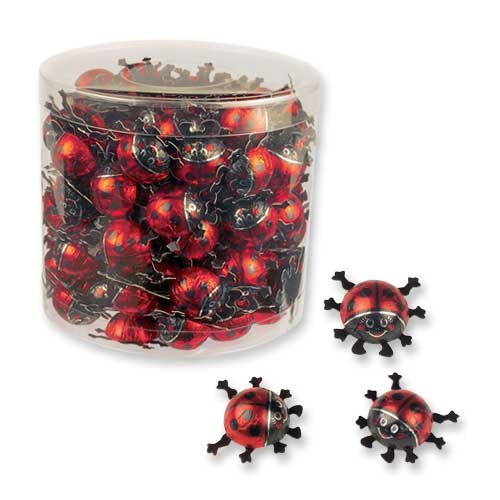
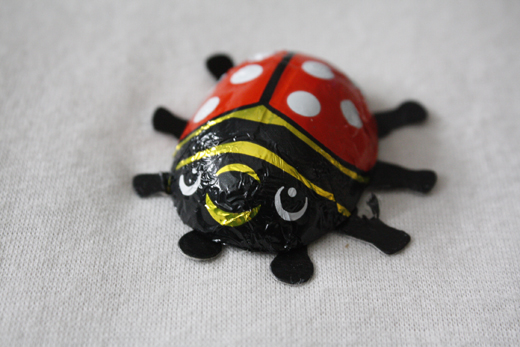
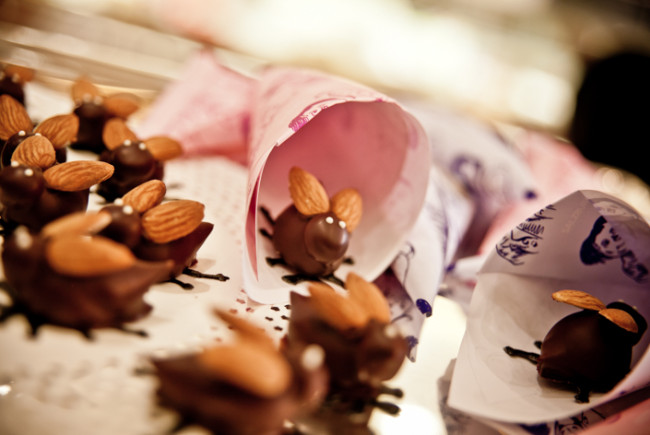

 UN, FAO and world hunger, you are welcome for my help!
No matter how terrible you have been, you can still get a street named after you.
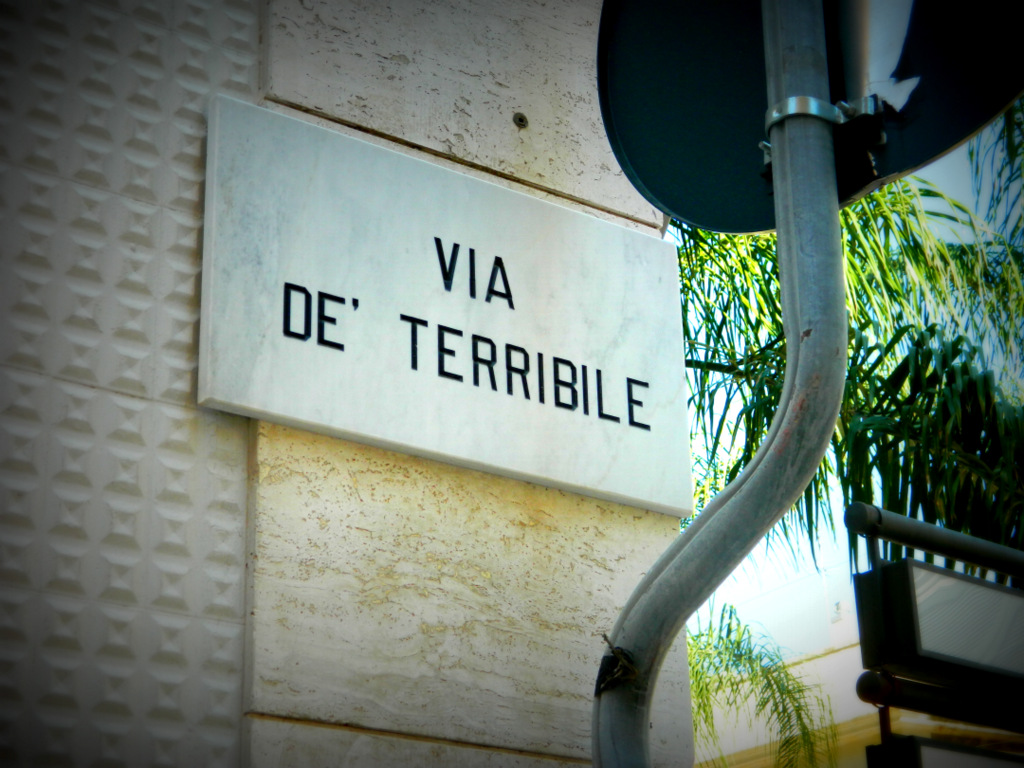
At least in Brindisi, Italy.
Finally I have discovered where the end of the rainbow is: off the coast of Sicily.
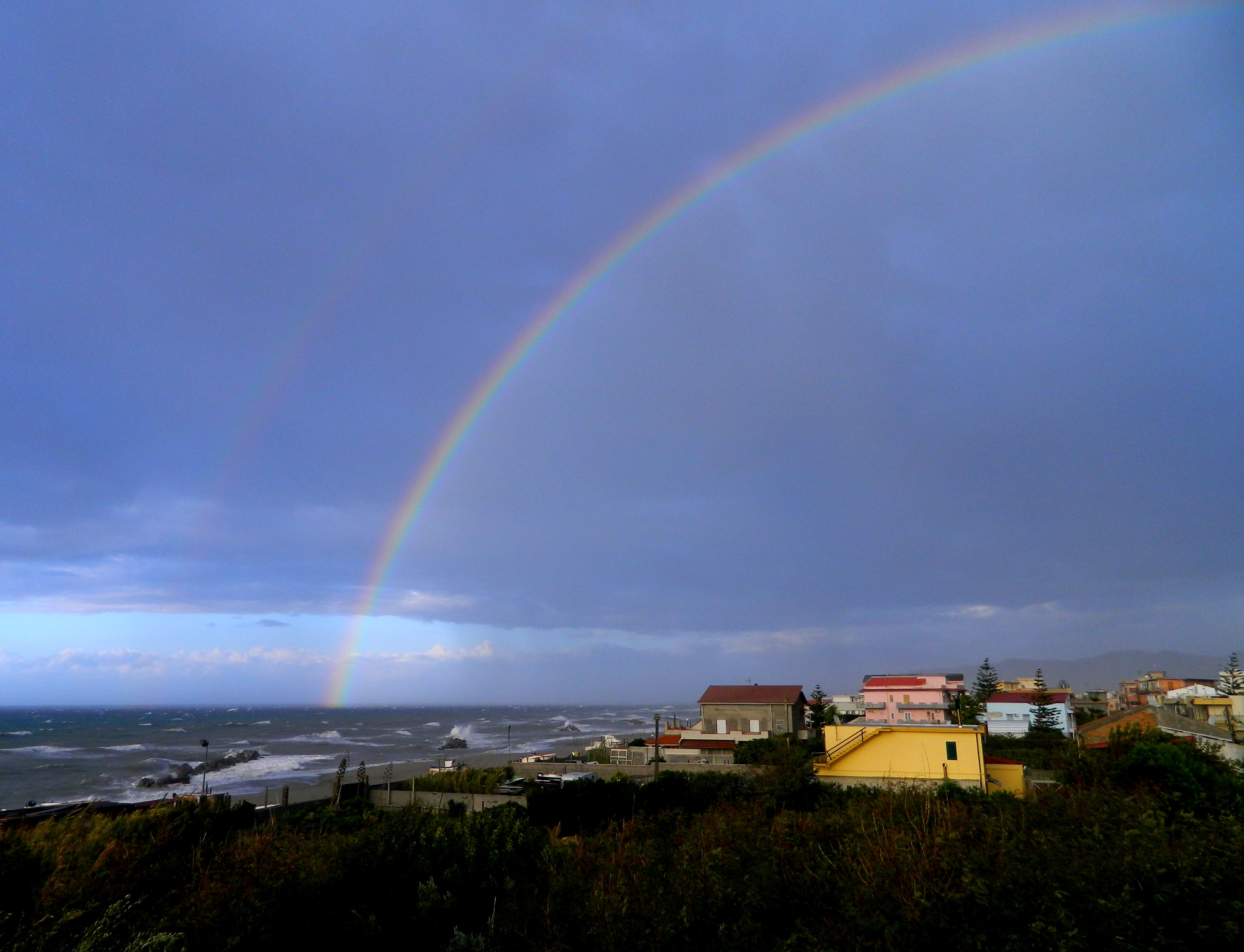 (Photographed from the roof of my home in Rometta Marea on 16 October 2013.)
Carlos Fuentes, the Mexican writer, has the following quote attributed to him:
Writing is a struggle against silence.
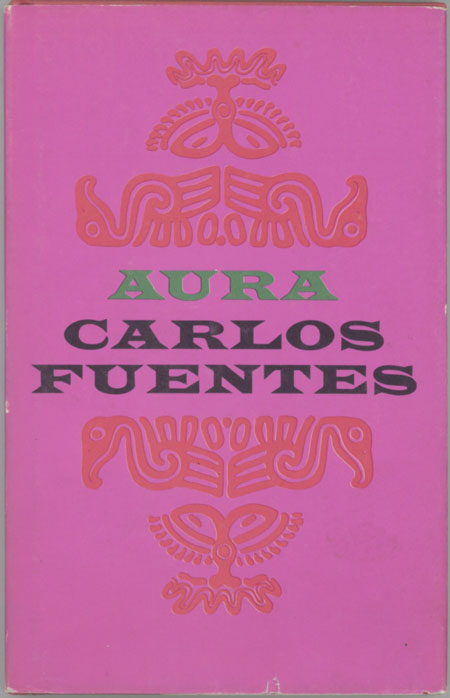 Of his many books, I have only read Aura and I wish he had remained silent.
Whenever I visit a country, I try to make it a point to read some of that country’s literature. Aura was one of the two books I picked when I traveled to Mexico in November 2008.
Aura starts with a strange atmosphere and no likable characters, then goes downhill from there. It’s an illogical frenzy of crazy fantasies. One more warning: don’t read it if you like cats!
The second book I picked for my trip to Mexico was The Labyrinth of Solitude by Octavio Paz who won the Nobel Prize for Literature in 1990. That was even worse because I didn’t understand it at all. It is an obvious attempt to complicate any idea, statement and sentence as much as possible, even beyond comprehension. I reread the first couple of pages again and again, then gave up. If an author thinks he needs to write to impress, he can try to find another reader with more patience.

My experience with Mexican literature.
I am not giving up on Mexican literature yet. It can only get better. Your suggestions are welcome!
And no, the car crash was not my fault.


